
Blog Posts
Farming Smarter: Insights on Soil Health, Resilient Land, Profitable Practices, Water Quality, and Innovative Technology”

What Did We Learn About Farm Resilience in 2025?
The year 2025 highlighted the importance of resilient farming practices in the UK. Extreme weather events, fluctuating input costs, and regulatory changes reinforced that farms need to be adaptable, sustainable, and financially robust. Lessons from 2025 can guide planning for 2026, helping farmers protect soil, water, biodiversity, and profitability. Soil Health Is Critical Farms with healthy, carbon-rich soils coped better with heavy rainfall and drought. Practices like cover cropping,...
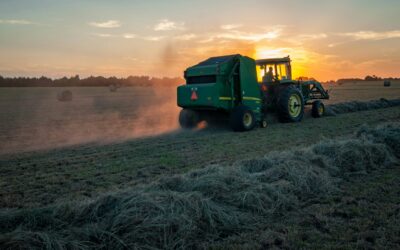
2025 has highlighted the power of collaboration in UK farming, showing that working together can deliver both environmental and economic benefits. Farmers, catchment teams, advisors, and industry partners have demonstrated that sharing knowledge, resources, and expertise leads to more resilient, profitable, and sustainable farms. Collaboration allows farms to: Access expertise: Agronomists, soil scientists, and catchment advisors provide technical guidance. Unlock funding opportunities: Joint...

What Are the Top Farmer Insights From This Year?
2025 has been a year of learning for UK farmers, highlighting the importance of resilient practices, environmental stewardship, and adaptive business strategies. By reflecting on these insights, farmers can make informed decisions to improve productivity, sustainability, and profitability in 2026. Soil Health Remains the Foundation Farms prioritising soil structure, organic matter, and cover crops managed weather extremes better. Healthy soils enhanced crop resilience, improved water...
How Do I Review My Farm’s Soil Health Progress?
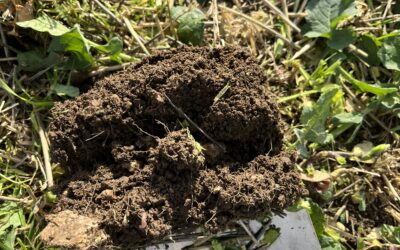
Soil health is the foundation of productive, resilient, and sustainable farming. Regularly reviewing soil health helps farmers optimise crop performance, reduce input costs, protect water quality, and enhance long-term profitability. Understanding your soil’s current condition allows you to make informed management decisions for 2026 and beyond. Nutrient availability – knowing what nutrients your crops need reduces fertiliser costs and improves yields. Soil structure and compaction – healthy...
How Can I Keep Improving Farm Resilience Year on Year?
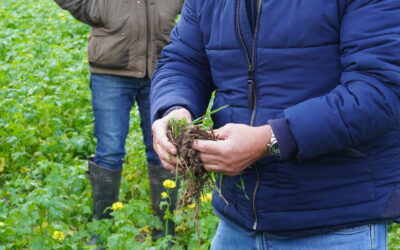
Farm resilience isn’t built overnight - it develops over time through continuous improvement, adaptation, and learning. As weather patterns shift, costs rise, and environmental expectations grow, resilient farms are those that plan ahead, measure progress, and adjust management each season. This blog explores how UK farmers can keep building resilience year on year by improving soils, water, biodiversity, and business performance. Building resilience is about creating stability and...
How Do Carbon Credits Work for Farmers?
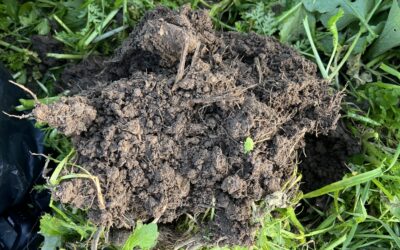
With increasing focus on climate change, carbon credits have emerged as a way for farmers to generate income while reducing greenhouse gas emissions. By adopting sustainable land management practices, UK farmers can capture or avoid carbon emissions, earning credits that can be sold to companies seeking to offset their carbon footprint. Understanding how carbon credits work helps farmers make informed decisions and benefit financially from environmental stewardship. A carbon credit represents...

How Can I Fund Biodiversity Projects on My Farm?
Enhancing biodiversity on your farm not only benefits wildlife and ecosystems but can also improve soil health, water quality, and farm resilience. Funding these projects can help offset costs and make biodiversity improvements financially viable. Fortunately, UK farmers have access to a range of schemes, grants, and initiatives to support habitat creation, restoration, and sustainable land management. Biodiversity projects can involve creating hedgerows, ponds, wildflower margins, wetlands,...

How Can I Stack Environmental Payments (Carbon, Water, Nature)?
UK farmers are increasingly being rewarded for delivering environmental benefits through schemes targeting carbon storage, water protection, and biodiversity enhancement. Stacking these payments - participating in multiple programmes simultaneously - can maximise farm income while improving soil, water, and wildlife outcomes. Understanding how to combine schemes effectively ensures compliance, avoids double-counting, and supports long-term sustainability. Environmental payments are incentives...

What Is the Business Case for Nature-Based Solutions?
Nature-based solutions (NBS) are actions that protect, restore, or manage natural systems to address environmental challenges such as climate change, water quality, and biodiversity loss. For UK farmers and land managers, NBS offer a compelling business case by combining environmental benefits with economic and operational advantages. Nature-based solutions include practices like: Agroforestry and hedgerows to store carbon and improve soil structure. Wetland creation or restoration to manage...