
Blog Posts
Farming Smarter: Insights on Soil Health, Resilient Land, Profitable Practices, Water Quality, and Innovative Technology”
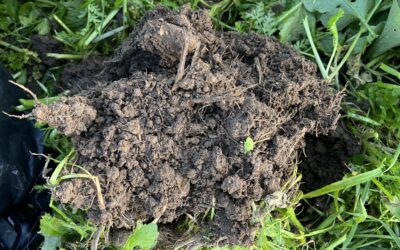
How Do Carbon Credits Work for Farmers?
With increasing focus on climate change, carbon credits have emerged as a way for farmers to generate income while reducing greenhouse gas emissions. By adopting sustainable land management practices, UK farmers can capture or avoid carbon emissions, earning credits that can be sold to companies seeking to offset their carbon footprint. Understanding how carbon credits work helps farmers make informed decisions and benefit financially from environmental stewardship. A carbon credit represents...

How Can I Fund Biodiversity Projects on My Farm?
Enhancing biodiversity on your farm not only benefits wildlife and ecosystems but can also improve soil health, water quality, and farm resilience. Funding these projects can help offset costs and make biodiversity improvements financially viable. Fortunately, UK farmers have access to a range of schemes, grants, and initiatives to support habitat creation, restoration, and sustainable land management. Biodiversity projects can involve creating hedgerows, ponds, wildflower margins, wetlands,...
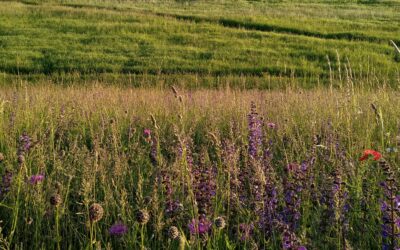
How Can I Stack Environmental Payments (Carbon, Water, Nature)?
UK farmers are increasingly being rewarded for delivering environmental benefits through schemes targeting carbon storage, water protection, and biodiversity enhancement. Stacking these payments - participating in multiple programmes simultaneously - can maximise farm income while improving soil, water, and wildlife outcomes. Understanding how to combine schemes effectively ensures compliance, avoids double-counting, and supports long-term sustainability. Environmental payments are incentives...

What Is the Business Case for Nature-Based Solutions?
Nature-based solutions (NBS) are actions that protect, restore, or manage natural systems to address environmental challenges such as climate change, water quality, and biodiversity loss. For UK farmers and land managers, NBS offer a compelling business case by combining environmental benefits with economic and operational advantages. Nature-based solutions include practices like: Agroforestry and hedgerows to store carbon and improve soil structure. Wetland creation or restoration to manage...
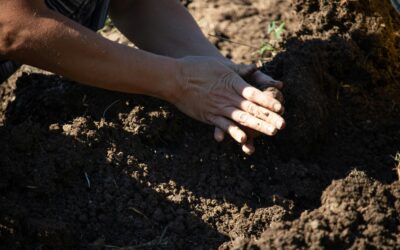
What Practical Steps Measure Soil Carbon Accurately?
Natural capital - the stock of natural resources such as soil, water, trees, and biodiversity - plays a crucial role in UK farming. Valuing natural capital in your business plan helps demonstrate the economic, environmental, and social benefits of sustainable practices. It can inform investment decisions, attract funding, and support compliance with sustainability and environmental regulations. Soil carbon is a key indicator of soil health, influencing: Soil structure and fertility – supports...

What Is Biodiversity Net Gain and How Does It Benefit Farmers?
Biodiversity Net Gain (BNG) is an emerging principle in UK agriculture and land management that encourages landowners to leave the natural environment in a better state than they found it. For farmers, BNG isn’t just about conservation—it offers practical benefits for soil, water, crops, livestock, and long-term farm resilience. Biodiversity Net Gain refers to improving habitats and ecosystems through development or land management. In practical terms for farmers, this can involve: Restoring...

What Role Do Trees and Hedges Play in Resilient Farming?
Trees and hedges are more than just landscape features - they are vital tools for resilient farming in the UK. By integrating trees and hedgerows into farm systems, farmers can protect soil, manage water, support biodiversity, and improve productivity. These natural features offer multiple benefits that strengthen farms against climate variability, extreme weather, and environmental pressures. Soil Protection and Carbon Storage Roots of trees and hedges stabilise soil, reducing erosion on...
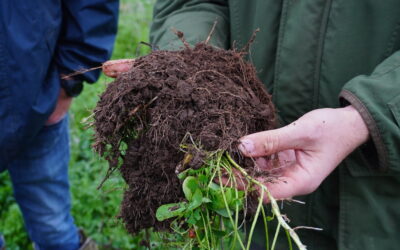
How Are Soil Carbon and Water Quality Linked?
Soil carbon is a key indicator of healthy farmland, but its benefits extend far beyond crop productivity. Increasingly, UK farmers and catchment managers are recognising the link between soil carbon and water quality. By building soil organic matter, farmers can reduce nutrient runoff, improve water retention, and support cleaner rivers and streams. Soil carbon refers to organic carbon stored in soils, largely from decomposed plant material and roots. It is vital for: Soil structure: Higher...
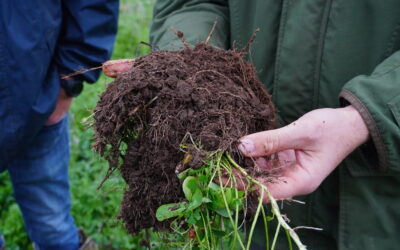
How Have Farms Integrated Carbon and Biodiversity Successfully?
UK farmers are increasingly recognising that carbon storage and biodiversity enhancement can go hand-in-hand. By integrating these practices, farms not only generate additional income through environmental payments and carbon credits but also improve soil health, water quality, and resilience to climate change. Successful examples show that thoughtful planning and management can deliver multiple environmental and business benefits. Carbon sequestration: Practices such as tree planting,...