

2025 has been a year of learning for UK farmers, highlighting the importance of resilient practices, environmental stewardship, and adaptive business strategies. By reflecting on these insights, farmers can make informed decisions to improve productivity, sustainability, and profitability in 2026.
Top Farmer Insights From 2025
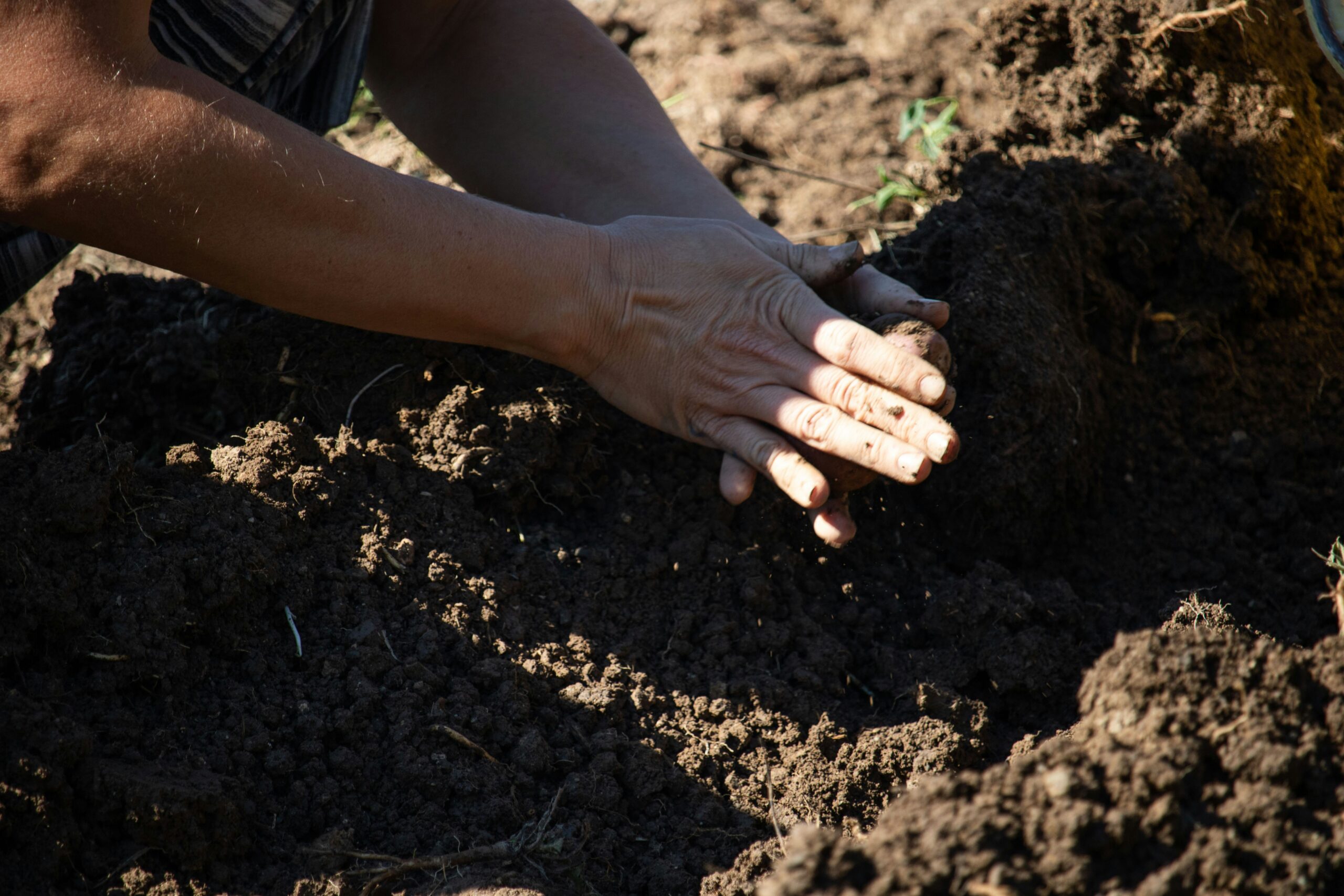
- Soil Health Remains the Foundation
- Farms prioritising soil structure, organic matter, and cover crops managed weather extremes better.
- Healthy soils enhanced crop resilience, improved water retention, and reduced input requirements.
- Water Management Cannot Be Overlooked
- Effective drainage, wetlands, and buffer strips protected water quality and reduced flood risk.
- Farmers recognised that proactive water management is both an environmental and economic necessity.
- Biodiversity Supports Farm Productivity
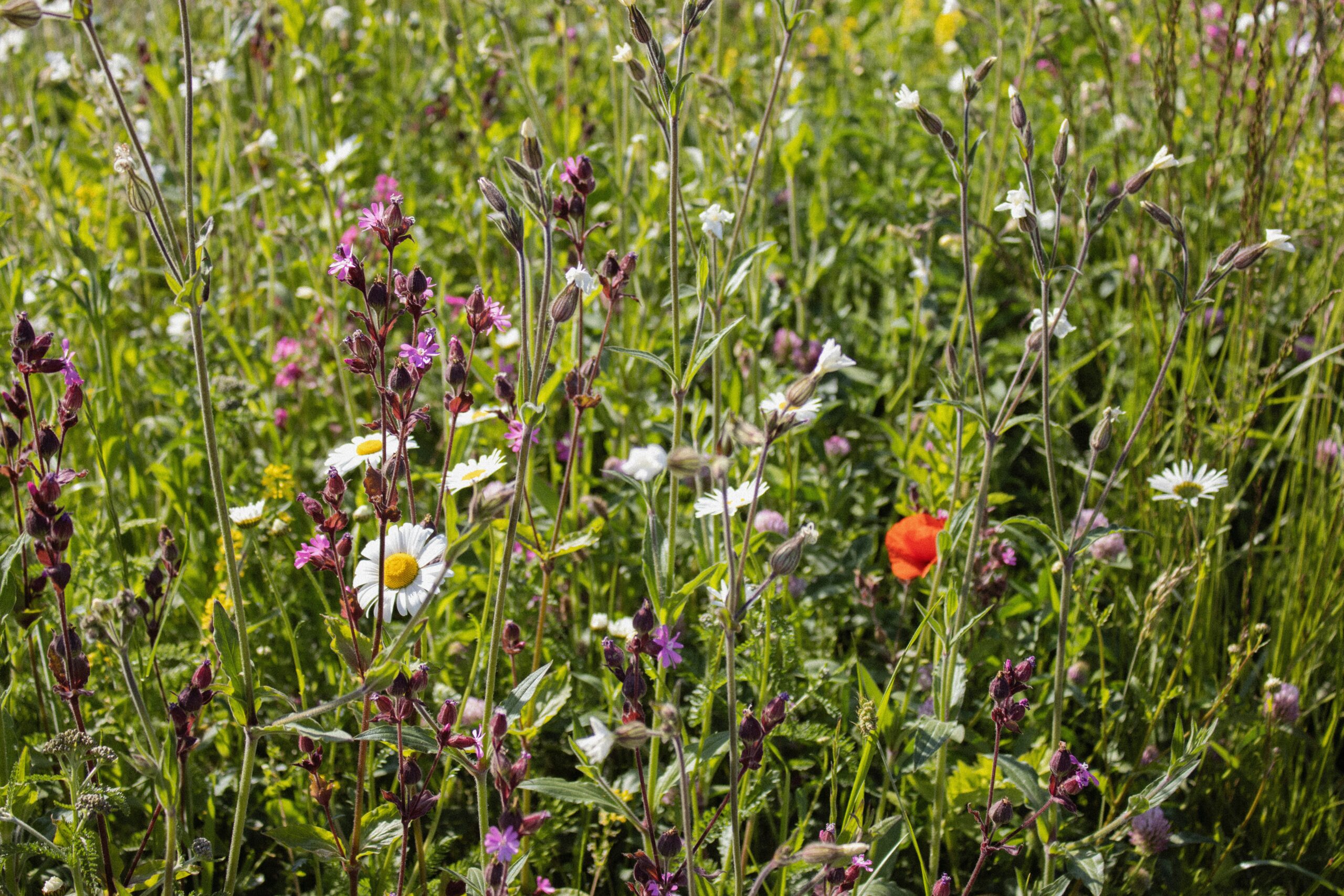
- Maintaining hedgerows, wildflower margins, and pasture diversity boosted pollination and pest control.
- Biodiverse farms proved more resilient to weather fluctuations and improved ecosystem services.
- Diversification Strengthens Business Resilience
- Farms that explored carbon credits, agri-environment payments, and diversified crop or livestock systems were better insulated from price volatility.
- Integrating environmental and commercial objectives proved financially beneficial.
- Collaboration Drives Success
- Working with catchment teams, agronomists, and neighbouring farmers unlocked funding, advice, and practical solutions.
- Shared knowledge and joint initiatives improved environmental outcomes and operational efficiency.
- Technology and Data Are Essential
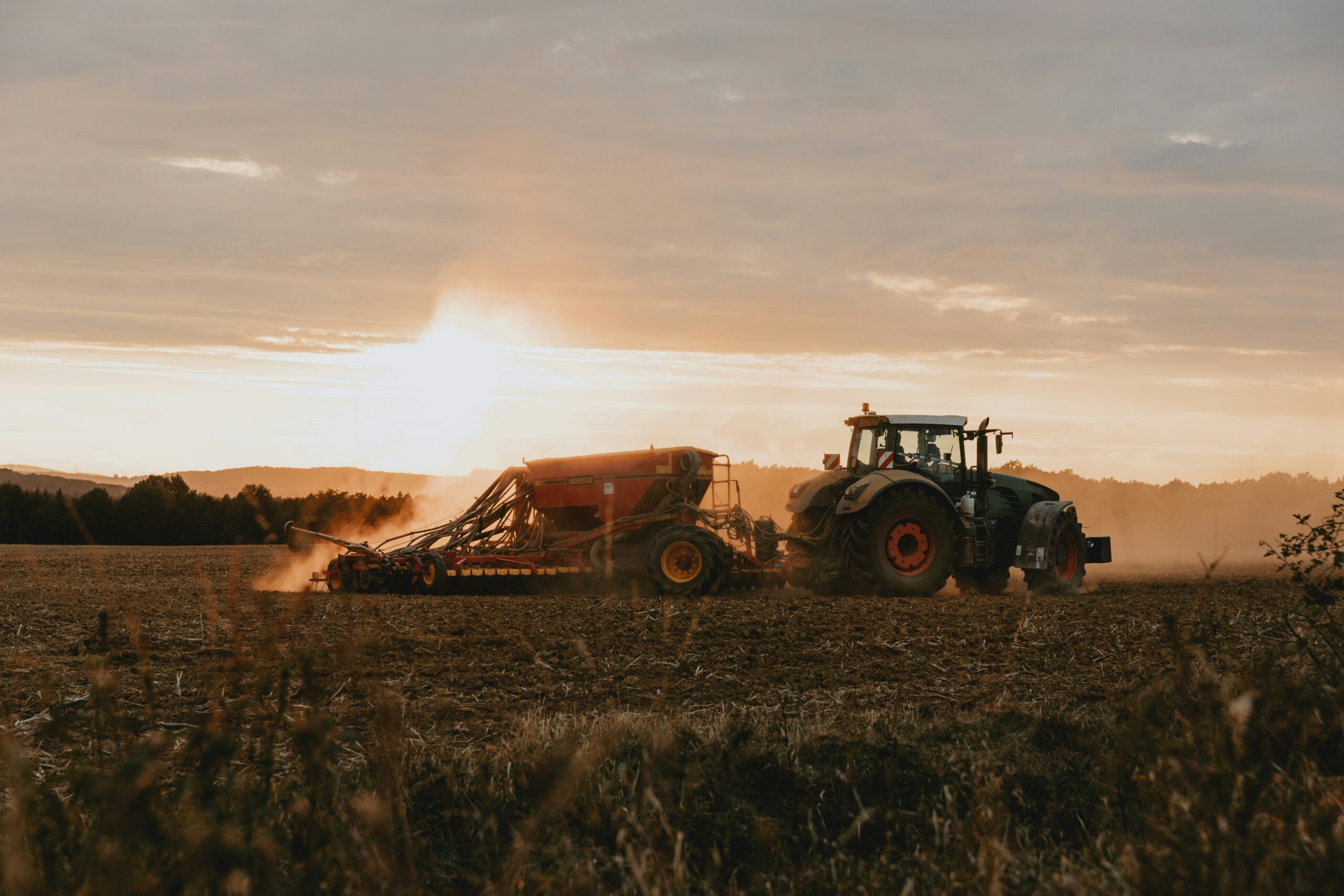
- Precision agriculture, soil monitoring, and yield mapping allowed farmers to make informed, timely decisions.
- Digital tools helped track carbon, biodiversity, and water quality metrics, linking them to financial and environmental performance.
Practical Takeaways for 2026
- Invest in soil health – cover crops, organic amendments, and reduced tillage improve resilience.
- Manage water strategically – buffer strips, wetlands, and drainage planning reduce risk and protect resources.
- Enhance biodiversity – hedgerows, field margins, and diverse pastures improve ecosystem services.
- Diversify income streams – explore carbon credits, environmental payments, and sustainable produce markets.
- Engage with networks – collaborate with advisors, catchment teams, and peers to maximise benefits.
- Use data and technology – monitor farm performance, environmental outcomes, and decision-making efficiency.
FAQ: Top Farmer Insights from 2025
Q1: Which practices delivered the biggest benefits?
A: Soil health, water management, and biodiversity measures consistently improved resilience and productivity.
Q2: Did diversification really help farm finances?
A: Yes. Carbon credits, agri-environment schemes, and alternative products buffered farms against market volatility.
Q3: Can small farms apply these lessons?
A: Absolutely. Even modest interventions like hedgerows, wildflower strips, and cover crops make a significant impact.
Q4: How important was collaboration?
A: Very. Catchment teams, advisory services, and peer networks provided technical support, funding opportunities, and knowledge sharing.
Q5: Should technology be prioritised?
A: Yes. Digital monitoring of soil, water, yields, and carbon metrics enhances decision-making and demonstrates environmental compliance.
Conclusion
2025 has shown that resilient, profitable, and sustainable farming is achievable when farmers integrate soil health, water management, biodiversity, diversification, collaboration, and technology.
By applying these insights in 2026, UK farmers can protect natural resources, improve yields, generate additional income, and build long-term resilience against climate, regulatory, and market pressures.
FAQ: Valuing Natural Capital on Farms
Q1: Can I combine different funding sources?
A: Yes, where rules allow. Many farmers combine agri-environment payments with catchment grants or carbon schemes for complementary benefits.
Q2: Do I need to provide evidence to receive funding?
A: Typically, yes. Schemes often require maps, monitoring reports, or photographic evidence of habitat creation and management.
Q3: Are biodiversity projects profitable?
A: While the primary goal is environmental, many projects also improve soil health, water quality, and resilience, and funding can offset establishment costs.
Q4: Can small farms access funding?
A: Yes. Many schemes have options suitable for farms of all sizes, including micro-grants for smaller projects.
Q5: How long does funding last?
A: Payments may be one-off, annual, or multi-year, depending on the scheme and project type. Long-term management may be required to maintain benefits.
External Resources Worth A Read
- The Farmers Weekly – Meet the new Arable Insights farmer panel for 2025-26
- GOV.UK – Farmer Opinion Tracker for England: April 2025