
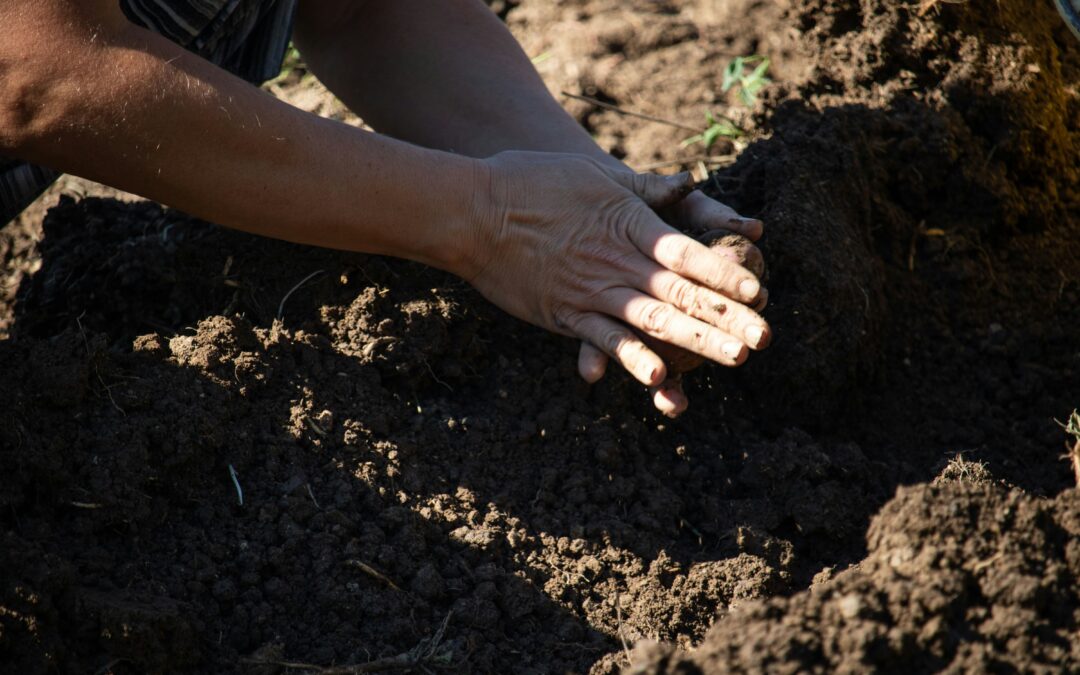
Natural capital – the stock of natural resources such as soil, water, trees, and biodiversity – plays a crucial role in UK farming. Valuing natural capital in your business plan helps demonstrate the economic, environmental, and social benefits of sustainable practices. It can inform investment decisions, attract funding, and support compliance with sustainability and environmental regulations.
Why Measure Soil Carbon?
Soil carbon is a key indicator of soil health, influencing:
- Soil structure and fertility – supports root growth and crop yields.
- Water retention and drainage – helps fields resist drought and waterlogging.
- Greenhouse gas mitigation – storing carbon reduces farm emissions.
- Eligibility for carbon credits – accurate measurements are required for verification.
Measuring soil carbon helps farmers demonstrate environmental stewardship and inform long-term management practices.
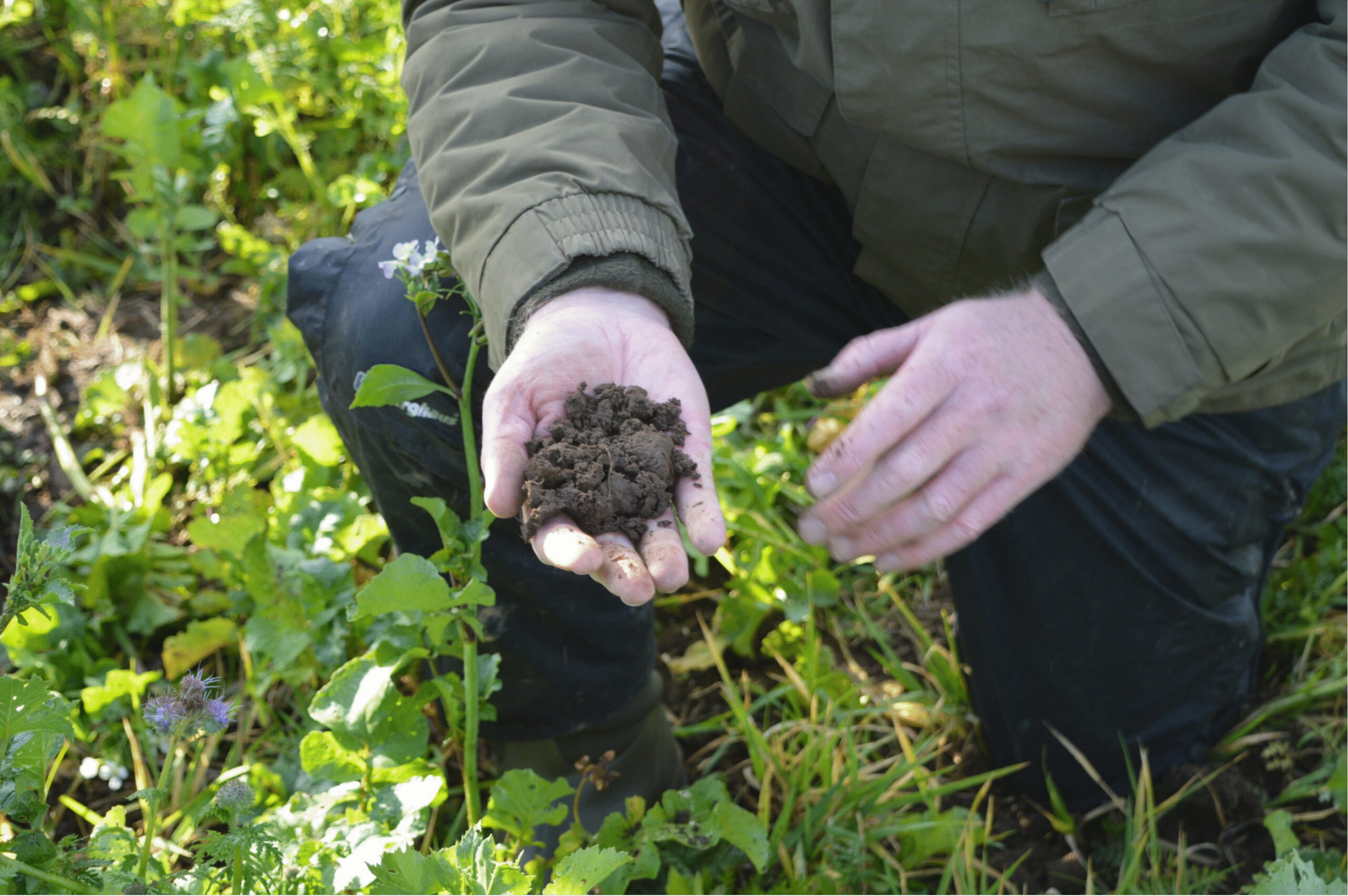
Practical Steps to Measure Soil Carbon
- Define the Objective
- Are you measuring for soil health monitoring, carbon credit schemes, or research purposes?
- Objectives influence the required precision, sampling frequency, and lab methods.
- Map and Stratify Fields
- Divide fields into homogenous zones based on soil type, slope, and land use.
- This ensures representative sampling across different soil conditions.
- Take Soil Samples
- Use a soil corer to collect samples at consistent depths (commonly 0–30 cm).
- Take multiple samples per field zone to account for variability.
- Mix subsamples to create a composite sample for lab analysis.
- Choose the Right Analysis Method
- Dry combustion (elemental analysis): Highly accurate, used by most carbon credit verifiers.
- Loss-on-ignition: Less precise, but faster and lower cost for general soil monitoring.
- Near-infrared spectroscopy (NIRS): Rapid estimates, suitable for large-scale monitoring.
- Use Repeatable Protocols
- Standardise sample depth, timing, and handling.
- Conduct sampling at the same time each year to track changes reliably.
- Avoid contamination and ensure samples are stored and transported properly.
- Record and Monitor
- Maintain a database of sampling locations, lab results, and field management practices.
- Track trends over multiple years to assess carbon sequestration or losses.
- Combine with soil organic matter, texture, and pH data for a holistic view.
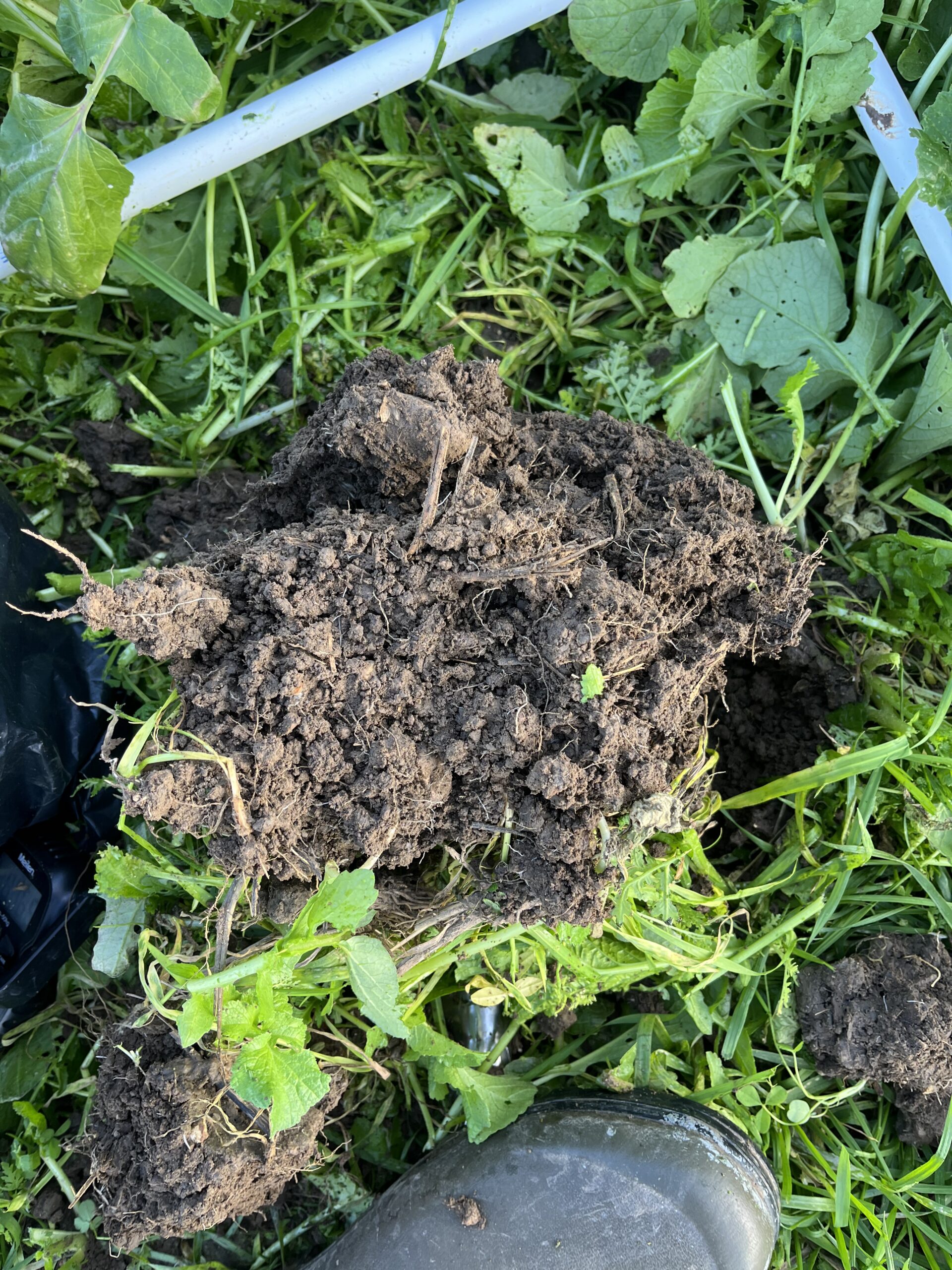
Top 5 Quick Tips for Accurate Soil Carbon Measurement
- Sample consistently at the same depth and time of year.
- Collect multiple subsamples per field zone for representativeness.
- Use accredited laboratories for reliable results.
- Maintain clear records of field zones, sampling methods, and results.
- Combine measurements with farm management data to understand drivers of change.
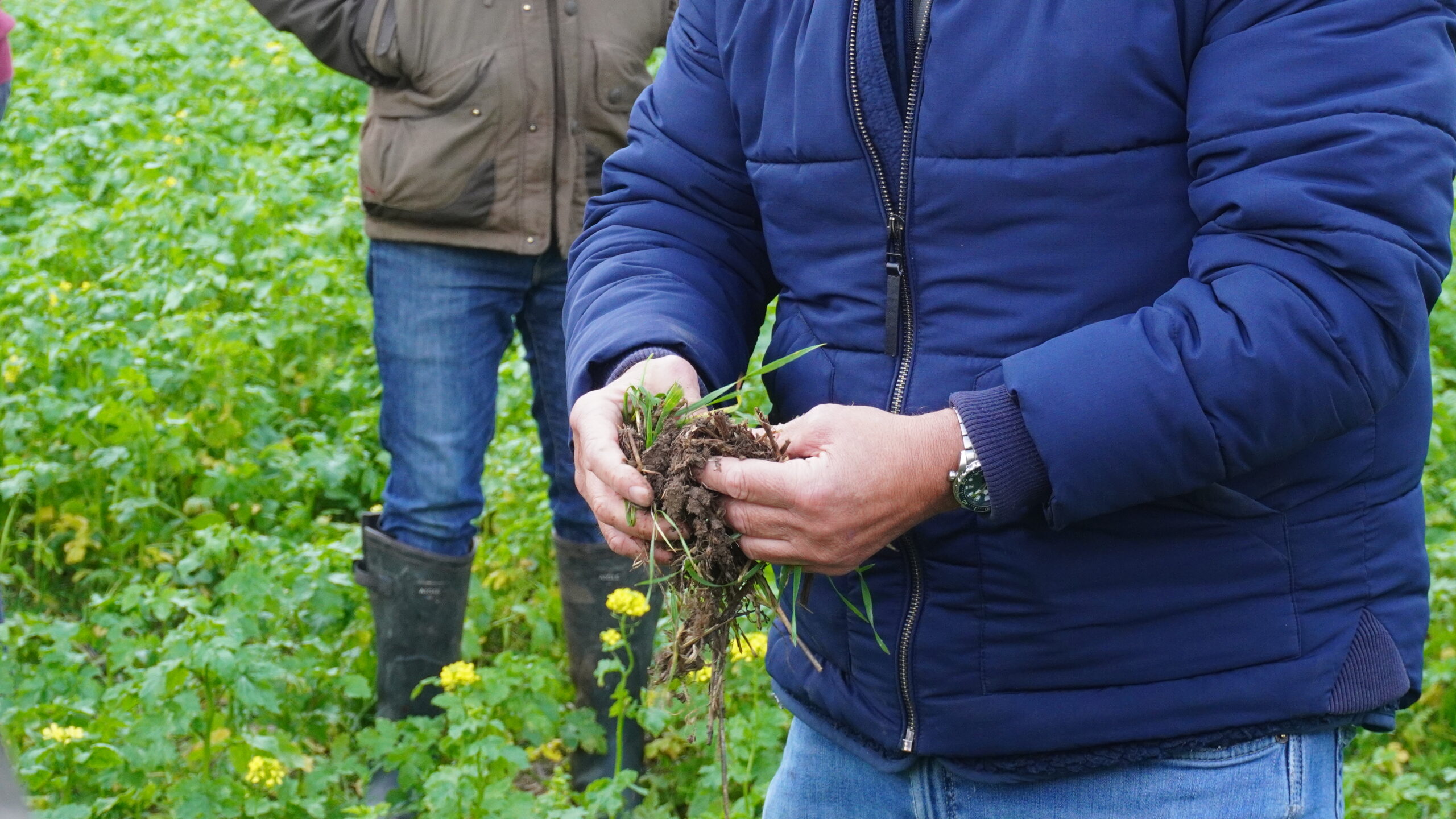
Conclusion
Accurate soil carbon measurement is critical for farm resilience, sustainability, and participation in carbon markets. By defining objectives, stratifying fields, collecting representative samples, using proper lab methods, and maintaining detailed records, farmers can track soil carbon effectively and make informed decisions to enhance soil health and productivity.
FAQ: Measuring Soil Carbon
Q1: How often should I measure soil carbon?
A: Annual sampling is common for monitoring changes; longer intervals (2–5 years) may be acceptable for carbon credit schemes.
Q2: Can I measure soil carbon myself?
A: Basic sampling can be done on-farm, but lab analysis is required for accurate results, especially for carbon credits.
Q3: What depth should I sample?
A: 0–30 cm is standard for arable and grassland soils; deeper sampling may be required for specific projects.
Q4: How much variability exists within a field?
A: Soil carbon can vary widely; using composite samples from multiple points improves accuracy.
Q5: Can management practices change soil carbon quickly?
A: Changes are usually gradual over several years. Practices like cover cropping, reduced tillage, and organic amendments can increase soil carbon over time.
External Resources Worth A Read
- Farmers Weekly – How to accurately measure the organic carbon content of soil
- Agricology – Know Your Soils #4: How to capture carbon in your soil