
Knowledge Hub
Exchanging on-farm experiences, where farmers discuss both their successes and challenges, is vital for the future of UK farming.
The Farmer Library
A collection of video interviews with farmers sharing their sustainability journeys, successes, and lessons learned. Farmers can discover best practices, and gain real-world insights to enhance their own sustainable farming efforts.

Blogs / Press Releases
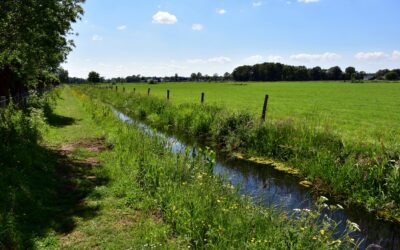
How to Protect Watercourses Practically Before Winter?
Winter in the UK brings heavy rainfall, waterlogging, and increased risk of sediment and nutrient runoff from farmland. Protecting watercourses before winter safeguards water quality, prevents erosion, maintains soil fertility, and reduces environmental...

Protect Soils: What Steps Can Farmers Take Before Winter?
Protect Soils: As autumn winds down and winter rains approach, many UK farmers face the challenge of protecting their soils from erosion, compaction, and nutrient loss. Wet soils can be fragile, and poor management now can affect spring crop performance and...
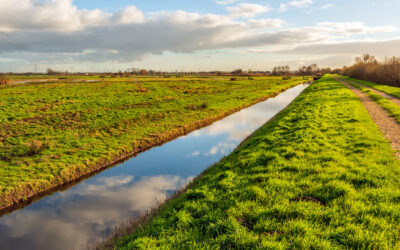
How Can I Partner With Catchment Teams for Winter Readiness?
As winter approaches, UK farmers face increased risks of waterlogging, soil erosion, and nutrient runoff. Partnering with catchment teams can help manage these risks, improve farm resilience, and protect local watercourses. Catchment teams provide expertise, funding...
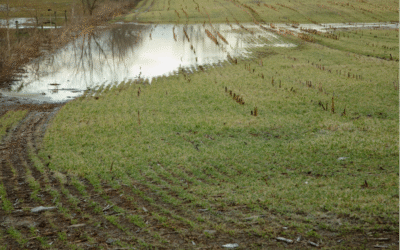
How Can I Manage Gateway and Track Erosion in Wet Weather?
Gateways and farm tracks are vital for accessing fields, but during wet weather they can become major sources of soil erosion, compaction, and nutrient loss. Managing erosion in these high-traffic areas is essential to protect soil health, prevent water pollution, and...
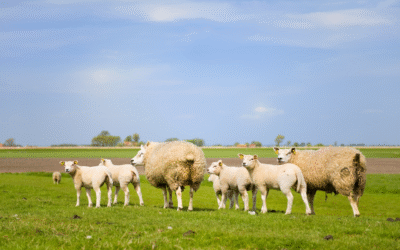
Grazing in Wet Weather Without Damaging Soil?
Grazing livestock in wet conditions can be a major challenge for UK farmers. Wet soils are highly susceptible to compaction, poaching, and erosion, which can reduce productivity, damage pasture, and contribute to sediment and nutrient loss in watercourses. However,...

How Chemical Fertilisers Affect Soil Health: What Farmers Need to Know
Chemical fertilisers have played a major role in boosting crop yields over the past century. However, their long-term impact on soil health is raising serious concerns across the agricultural community. Understanding how these synthetic inputs affect the biology,...

How to Know How Much Fertiliser to Add to Your Farmland: A Practical Guide for UK Farmers
Getting fertiliser application right is essential for maintaining soil health, achieving high crop yields, and protecting the environment. Over-application leads to waste and pollution, while under-application can limit productivity. So how do you know how much...

How to Test Soil pH: A Practical Guide for Farmers
For farmers, soil is the foundation of every crop — and understanding its condition is essential to making informed agronomic decisions. One of the most important but often overlooked aspects of soil health is pH. Knowing how to test soil pH helps you optimise inputs,...

Top 7 Ways to Reduce Turbidity in Agricultural Runoff and Protect Water Quality
Water is one of the most valuable resources in farming — not only for crops and livestock, but for the surrounding environment and communities downstream. However, turbidity in agricultural runoff is a growing concern, particularly in areas with intensive land use,...