
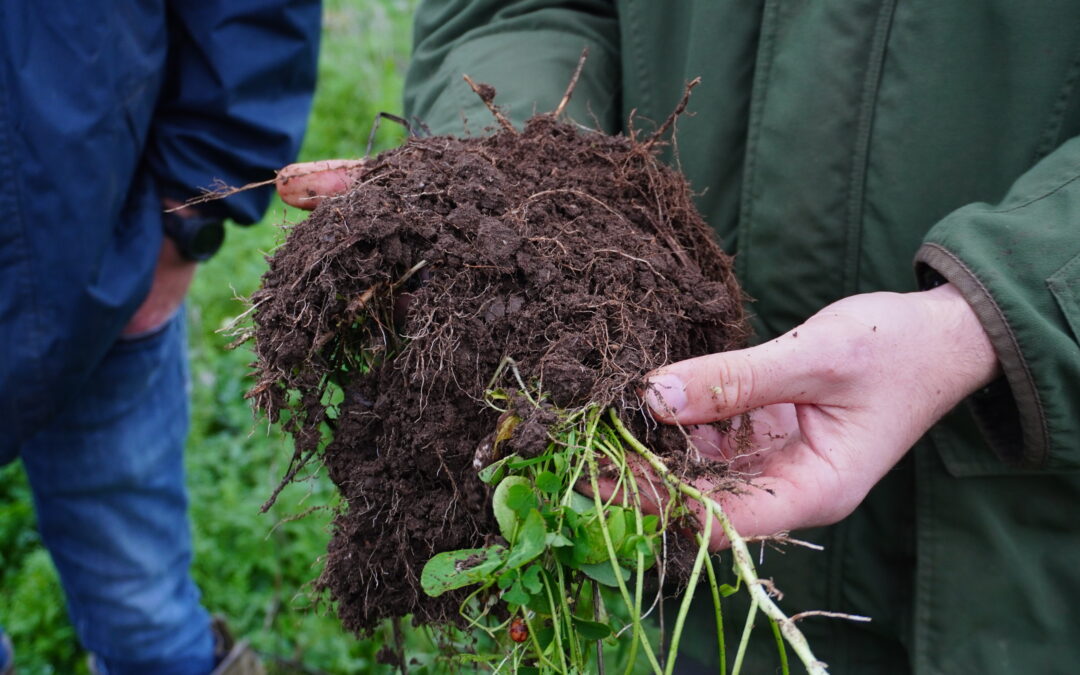
UK farmers are increasingly recognising that carbon storage and biodiversity enhancement can go hand-in-hand. By integrating these practices, farms not only generate additional income through environmental payments and carbon credits but also improve soil health, water quality, and resilience to climate change. Successful examples show that thoughtful planning and management can deliver multiple environmental and business benefits.
Why Integrate Carbon and Biodiversity?
- Carbon sequestration: Practices such as tree planting, hedgerows, and soil management capture and store carbon, mitigating climate change.
- Biodiversity improvement: Habitats like wildflower margins, hedgerows, and wetlands support pollinators, birds, and beneficial insects.
- Synergies: Many practices deliver both outcomes—healthy soils store carbon and support diverse ecosystems, while trees and hedges provide carbon storage and wildlife habitat.
Integrating both approaches maximises ecosystem services, enhances farm sustainability, and creates additional revenue opportunities.
Examples of Successful Integration
- Hedgerows and Field Margins
- Practice: Planting or restoring hedgerows along field boundaries, coupled with wildflower margins.
- Benefits: Carbon stored in woody biomass and soil; habitats for pollinators and birds; reduced soil erosion.
- Outcome: Farmers receive agri-environment payments and contribute to biodiversity net gain.
- Agroforestry Systems
- Practice: Combining trees with crops or pasture (silvopasture).
- Benefits: Trees capture carbon; shade and shelter improve livestock welfare; biodiversity thrives under mixed habitats.
- Outcome: Increased farm income from timber, carbon credits, and ecosystem payments.
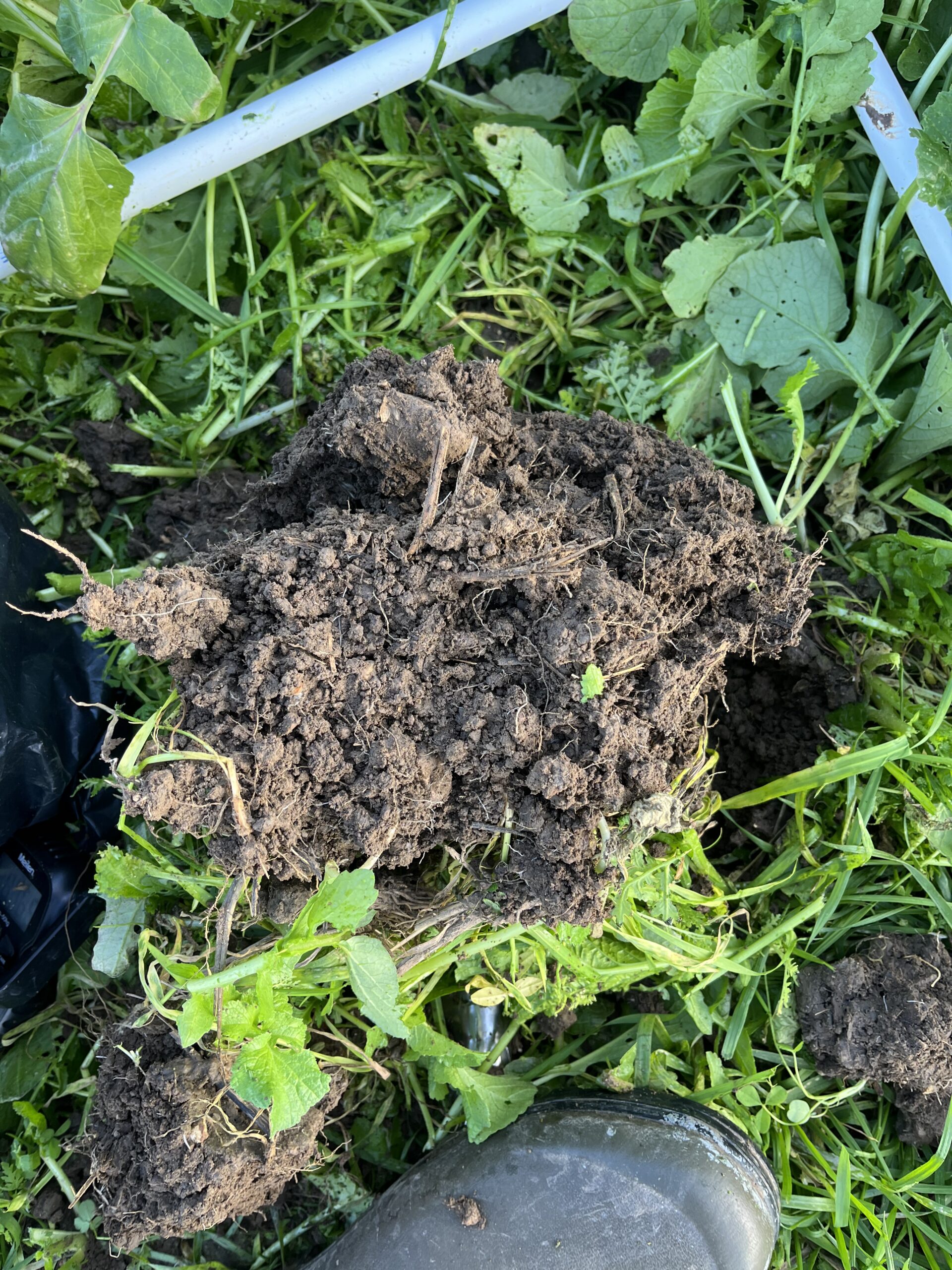
- Cover Crops and Reduced Tillage
- Practice: Using cover crops and minimum tillage systems on arable land.
- Benefits: Soil carbon increases; improved soil structure supports diverse soil organisms; reduced nutrient leaching.
- Outcome: Carbon credits and improved soil biodiversity, with maintained or improved crop yields.
- Wetland and Pond Restoration
- Practice: Restoring small wetlands and ponds in low-lying areas.
- Benefits: Carbon stored in organic-rich soils; habitats for amphibians, insects, and birds; natural water filtration.
- Outcome: Eligibility for water quality payments and biodiversity funding.
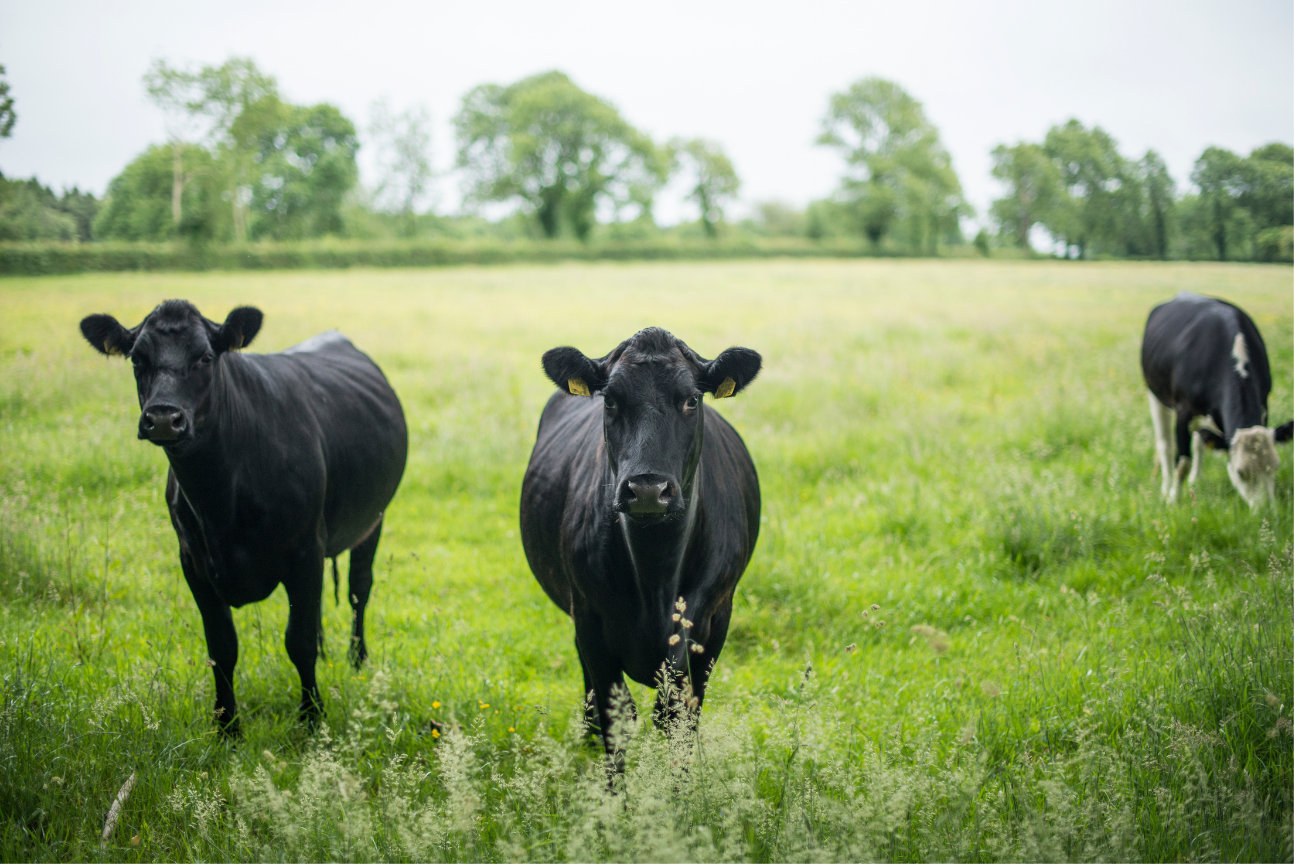
- Rotational Grazing and Pasture Management
- Practice: Implementing rotational grazing with diverse forage species.
- Benefits: Increased soil carbon, richer pasture biodiversity, and reduced erosion.
- Outcome: Healthier livestock, potential carbon credits, and improved ecosystem function.
Top 5 Quick Tips for Farmers
- Identify synergies – choose practices that deliver both carbon storage and biodiversity gains.
- Plan strategically – map land, habitats, and priority areas for maximum impact.
- Combine with payments and credits – align actions with agri-environment schemes, carbon markets, or catchment programmes.
- Monitor results – track carbon, soil health, and wildlife to demonstrate benefits.
- Engage with advisors or catchment teams – guidance ensures compliance and maximises outcomes.
Conclusion
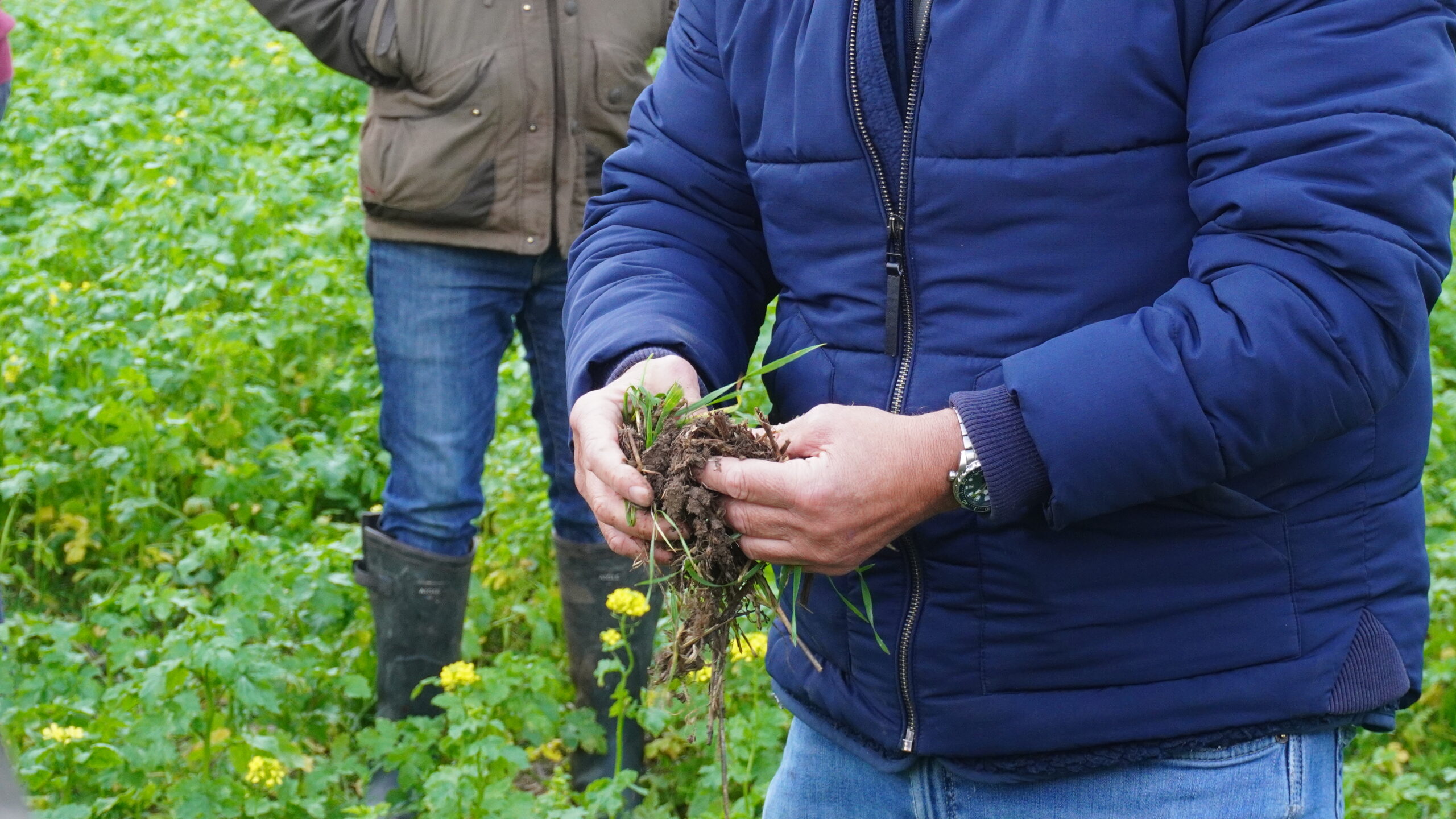
Successful integration of carbon and biodiversity demonstrates that environmental stewardship and farm profitability can go hand-in-hand. By adopting practices such as hedgerows, agroforestry, cover crops, wetlands, and rotational grazing, UK farmers can enhance soil health, store carbon, support wildlife, and access multiple revenue streams.
With careful planning, monitoring, and alignment with payment schemes, integrating carbon and biodiversity can make farms more resilient, sustainable, and future-ready.
FAQ: Integrating Carbon and Biodiversity
Q1: Can carbon-focused practices benefit biodiversity?
A: Yes. Trees, hedgerows, cover crops, and improved soil management enhance habitats and ecosystem health while storing carbon.
Q2: Can biodiversity projects generate carbon credits?
A: Some projects, such as tree planting, agroforestry, or wetland restoration, can generate carbon credits alongside biodiversity benefits.
Q3: Is integrating carbon and biodiversity costly?
A: Initial costs exist, but payments, grants, and carbon credits often offset them, while long-term productivity and resilience improve.
Q4: How quickly are benefits realised?
A: Soil and water quality benefits may appear within a season, while tree growth, habitat development, and carbon storage often take several years.
Q5: Can small farms implement these practices?
A: Yes. Even small-scale actions like wildflower margins, hedgerows, and rotational grazing can provide meaningful carbon and biodiversity benefits.