

The coming year could mark a turning point for catchment-scale collaboration in UK farming. As pressures on water quality, soil health, biodiversity, and climate resilience increase, working together across farms, local authorities, water companies, and NGOs is becoming more effective and financially rewarding than ever before.
Why Collaboration Matters
Catchment collaboration allows stakeholders to tackle environmental challenges at scale, rather than individually. Key benefits include:
- Improved water quality – coordinated buffer strips, wetlands, and sediment control measures reduce runoff across entire catchments.
- Access to funding – collaborative projects often unlock grants, SFI payments, and water company incentives.
- Knowledge sharing – farmers and advisors exchange best practices on soil, water, and biodiversity management.
- Operational efficiency – shared equipment, expertise, and coordinated actions reduce costs and workload.
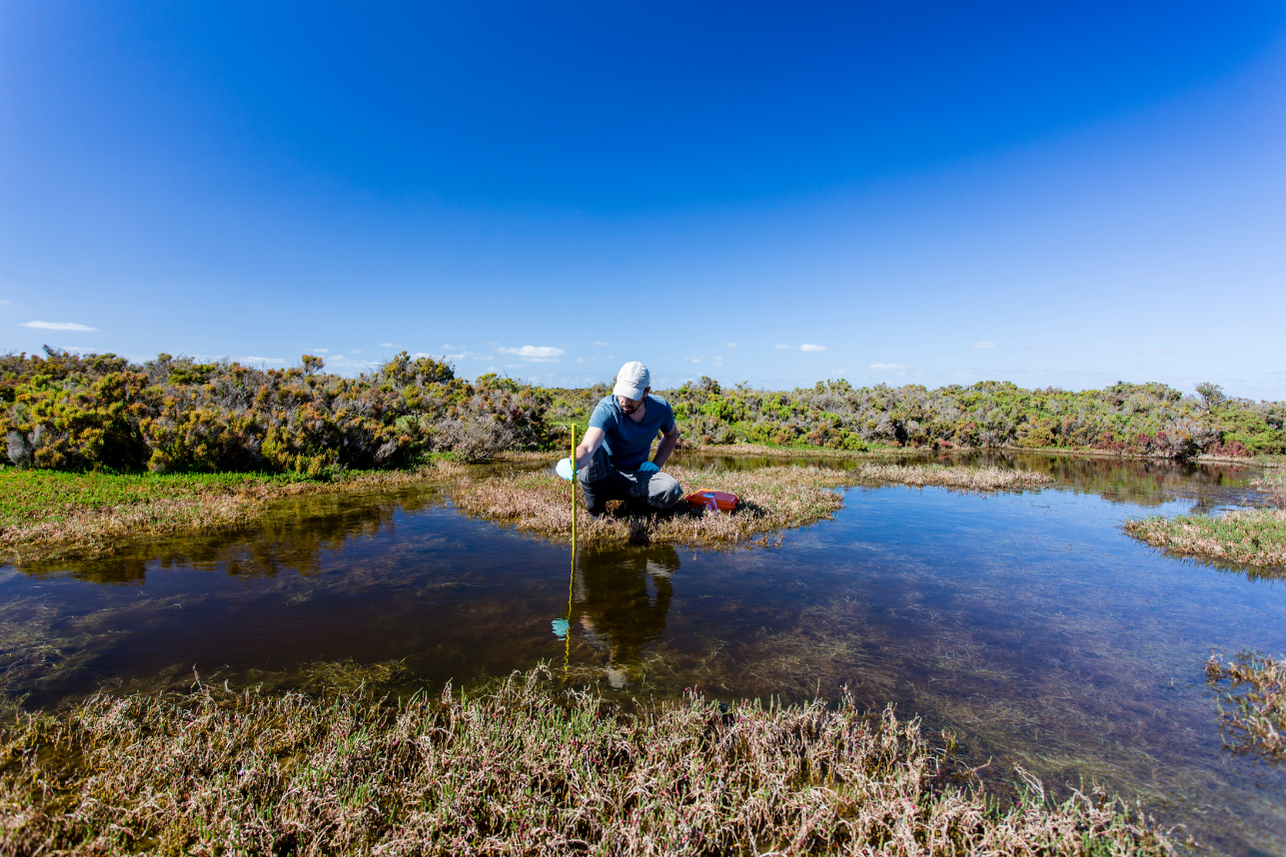
Why 2026 Could Be a Breakthrough Year
- Expanded Catchment Partnerships
- Government and water companies are increasing support for catchment-scale initiatives, providing funding, monitoring tools, and advisory services.
- Farms participating in these partnerships can receive technical advice and financial incentives for collective water quality improvements.
- Integrated Environmental Payments
- Many funding streams, including SFI water modules, biodiversity payments, and carbon credits, now reward catchment-scale outcomes.
- Coordinated action allows farms to “stack” payments efficiently while maximising environmental benefits.
- Focus on Outcome-Based Funding
- 2026 sees a shift toward payments linked to measurable environmental improvements, such as reduced nutrient runoff, improved soil health, and enhanced biodiversity.
- Catchment collaboration helps ensure that interventions are effective at scale, meeting outcome criteria.
- Climate Resilience
- Extreme weather events highlight the need for resilient farming landscapes.
- Working across catchments enables flood mitigation, erosion control, and water retention measures to be coordinated for maximum effect.
- Policy and Regulatory Support
- Updates to the Farming Rules for Water (FRfW), SFI modules, and water company regulations encourage coordinated approaches to environmental compliance.
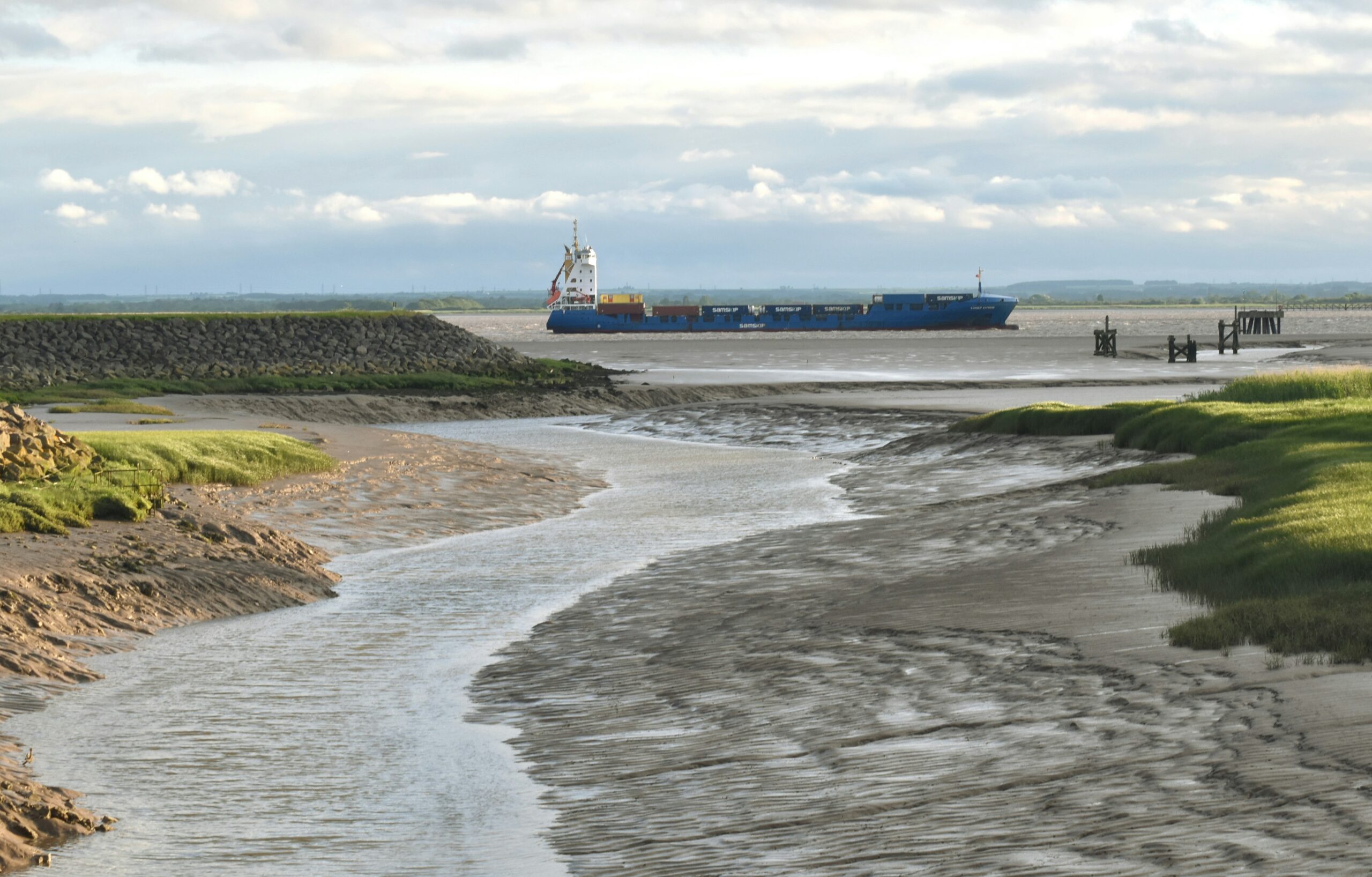
Practical Steps for Farmers to Collaborate in 2026
- Engage Early with Catchment Teams – Identify priority areas and potential partners, including neighbouring farms, water companies, and NGOs.
- Plan Integrated Measures – Combine buffer strips, wetlands, cover crops, hedgerows, and livestock management to address multiple environmental objectives.
- Share Knowledge and Resources – Pool equipment, labour, and technical expertise to reduce costs and increase efficiency.
- Monitor and Record Outcomes – Collect data on soil health, water quality, and biodiversity to support funding claims and adaptive management.
- Maximise Funding Opportunities – Link SFI payments, catchment grants, and carbon/biodiversity credits for multiple revenue streams.
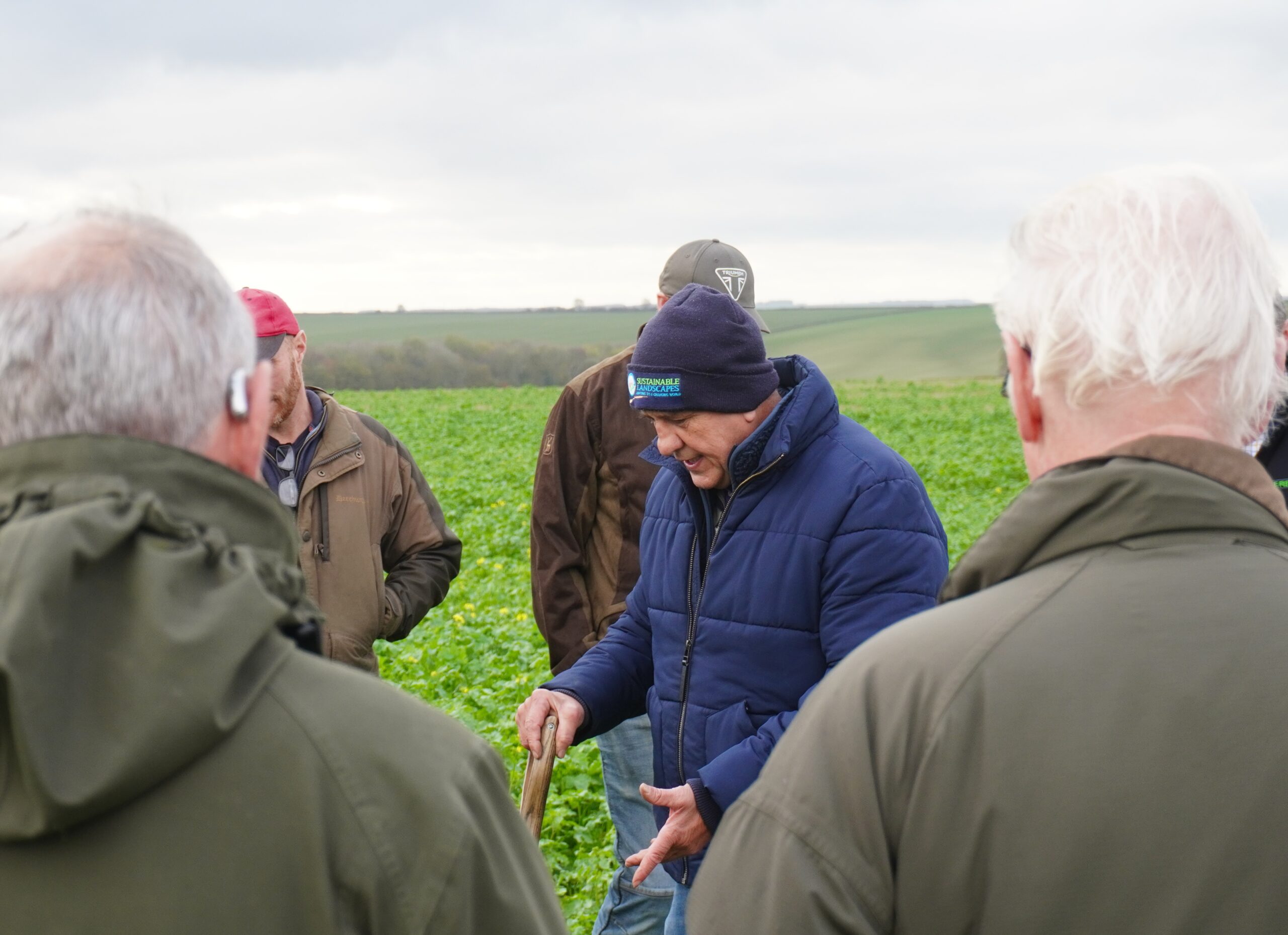
Conclusion
2026 could be the year of catchment collaboration, offering farmers the chance to improve water quality, enhance biodiversity, increase resilience, and access multiple revenue streams. By working together, farms can achieve outcomes that are far greater than the sum of individual efforts, ensuring both environmental and financial benefits.
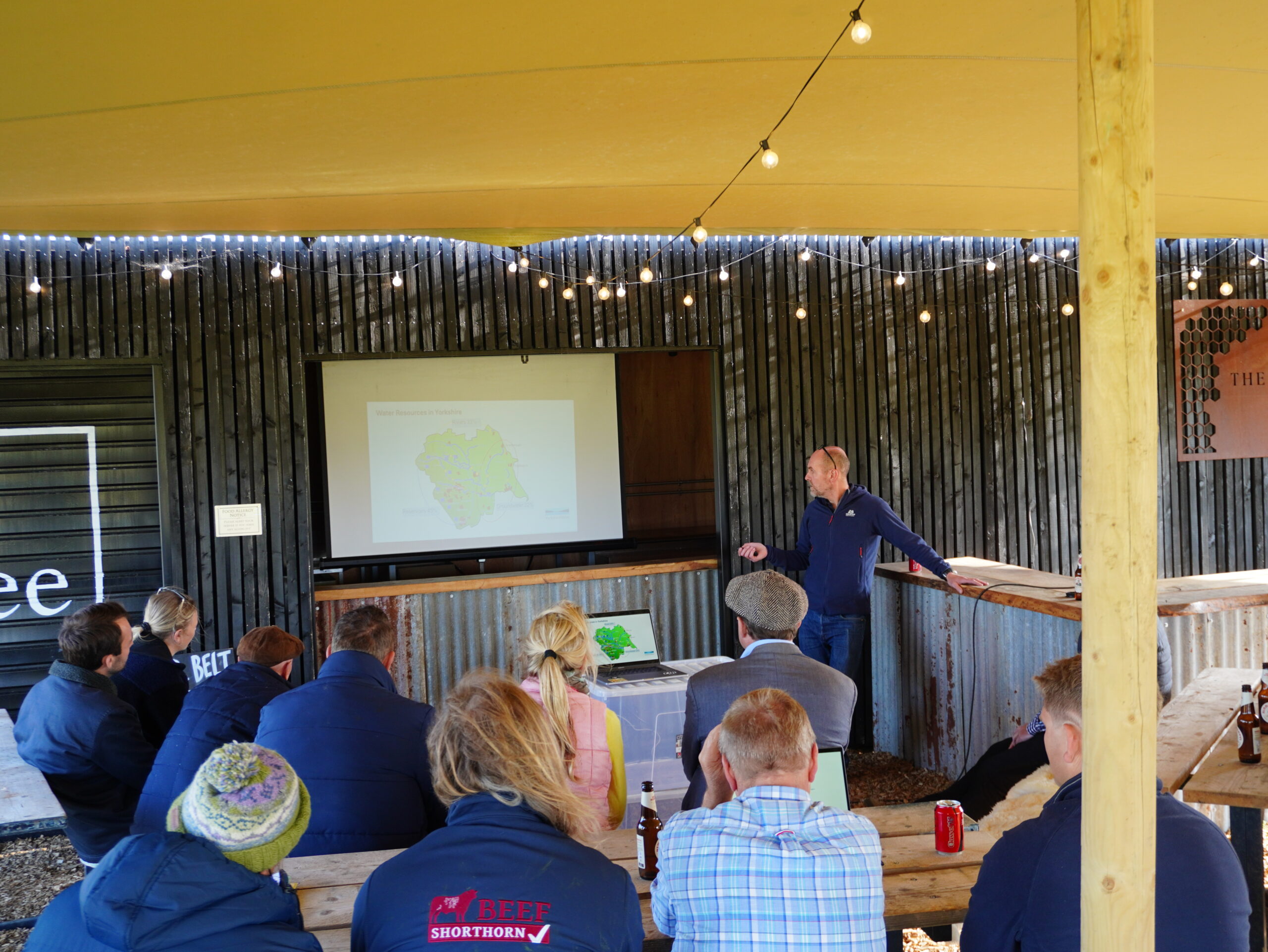
FAQ: Catchment Collaboration in 2026
Q1: What is a catchment collaboration?
A: It’s a coordinated approach where farms, advisors, water companies, and environmental groups work together to improve water quality, soil health, and biodiversity across a river catchment.
Q2: How can I benefit financially?
A: Collaborative projects often unlock grants, SFI water modules, biodiversity payments, and carbon credits.
Q3: Do I need to work with neighbours?
A: Yes. Effective catchment management requires multiple farms or stakeholders to implement measures at scale.
Q4: Are there small-farm opportunities?
A: Absolutely. Even small interventions, when combined with neighbouring farms, contribute to catchment-scale benefits and funding eligibility.
Q5: How do I get started?
A: Contact local catchment teams or advisory services, identify priority areas, and explore funding options available for coordinated projects.
External Resources Worth A Read
- The Rivers Trust – Will this be the year that government makes the changes we need to fix our water system?
- Yorkshire Water – Working in partnership to help rivers thrive