
Blog Posts
Farming Smarter: Insights on Soil Health, Resilient Land, Profitable Practices, Water Quality, and Innovative Technology”
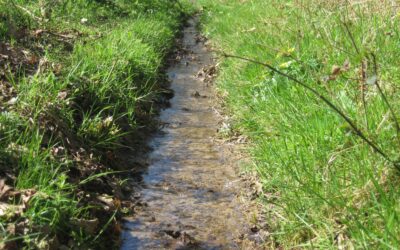
How Have Farms Reduced Sediment Loss in Catchment Areas?
Sediment loss from farmland is a major environmental concern, impacting water quality, aquatic habitats, and downstream infrastructure. Across the UK, farmers are adopting practical measures to reduce sediment runoff, protecting both their soil and local waterways. Understanding these approaches helps farmers implement effective strategies in their own catchments. Sediment loss occurs when soil is washed from fields into rivers, streams, or ditches during rainfall or irrigation. It can: Reduce...

How Does Good Soil Structure Prevent Winter Runoff?
As winter rainfall increases, many farms face the challenge of runoff, erosion, and nutrient loss. Good soil structure is one of the most effective natural defences against these risks.Healthy, well-structured soils absorb, store, and slowly release rainfall, protecting both crops and local water quality. This blog explores how soil structure affects runoff and what practical steps farmers can take to improve it ahead of the wet season. Soil structure refers to how soil particles bind together...

How Do I Establish Winter Cover Crops and What Are the Benefits?
Winter cover crops are a key tool for UK farmers looking to protect soil, improve fertility, and reduce environmental impacts during the off-season. By keeping the soil covered, cover crops can prevent erosion, improve water infiltration, and build organic matter, all while providing additional benefits for the following cropping season.Winter cover crops are crops grown during the autumn and winter months when fields would otherwise be bare. Common choices include: Rye – fast-growing, hardy,...
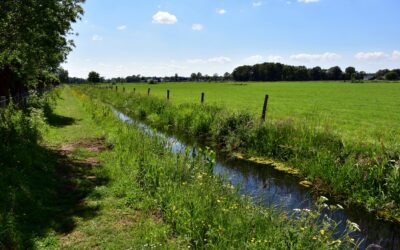
How to Protect Watercourses Practically Before Winter?
Winter in the UK brings heavy rainfall, waterlogging, and increased risk of sediment and nutrient runoff from farmland. Protecting watercourses before winter safeguards water quality, prevents erosion, maintains soil fertility, and reduces environmental impact.Watercourses are vulnerable in the autumn and winter because: Rainfall can wash soil, nutrients, and pesticides into streams and rivers. Bare or compacted soils increase surface runoff. Livestock or machinery in wet areas can damage...

Protect Soils: What Steps Can Farmers Take Before Winter?
Protect Soils: As autumn winds down and winter rains approach, many UK farmers face the challenge of protecting their soils from erosion, compaction, and nutrient loss. Wet soils can be fragile, and poor management now can affect spring crop performance and long-term soil health. Here’s a guide to safeguarding your soils ahead of the wetter months.Before taking action, assess the current state of your soils: Structure: Look for signs of compaction, such as puddling, waterlogging, or...
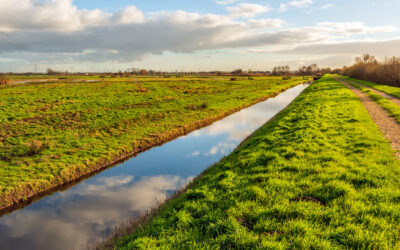
How Can I Partner With Catchment Teams for Winter Readiness?
As winter approaches, UK farmers face increased risks of waterlogging, soil erosion, and nutrient runoff. Partnering with catchment teams can help manage these risks, improve farm resilience, and protect local watercourses. Catchment teams provide expertise, funding opportunities, and practical guidance to help farmers implement measures that safeguard both productivity and the environment.Catchment teams are groups of local experts, often supported by water companies, environmental agencies,...
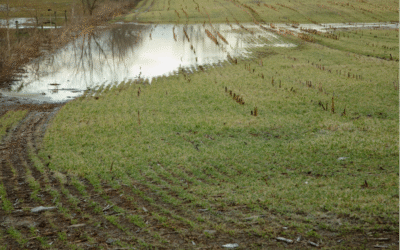
How Can I Manage Gateway and Track Erosion in Wet Weather?
Gateways and farm tracks are vital for accessing fields, but during wet weather they can become major sources of soil erosion, compaction, and nutrient loss. Managing erosion in these high-traffic areas is essential to protect soil health, prevent water pollution, and maintain farm productivity.Erosion occurs when rainfall or vehicle movement removes topsoil. Gateways and tracks are particularly vulnerable because: They are often bare or compacted, limiting water infiltration. Concentrated...
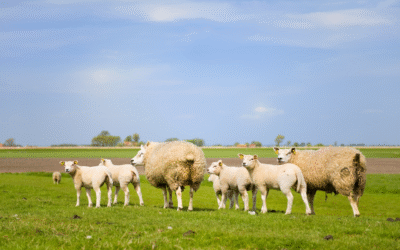
Grazing in Wet Weather Without Damaging Soil?
Grazing livestock in wet conditions can be a major challenge for UK farmers. Wet soils are highly susceptible to compaction, poaching, and erosion, which can reduce productivity, damage pasture, and contribute to sediment and nutrient loss in watercourses. However, with careful planning and management, grazing can continue without harming the soil.Wet soils are particularly vulnerable because: Compaction: Heavy animals press down on soft soils, reducing pore space and water infiltration....

How Chemical Fertilisers Affect Soil Health: What Farmers Need to Know
Chemical fertilisers have played a major role in boosting crop yields over the past century. However, their long-term impact on soil health is raising serious concerns across the agricultural community. Understanding how these synthetic inputs affect the biology, structure, and fertility of our soils is essential for ensuring the sustainability of UK farming.Chemical fertilisers, also known as synthetic or inorganic fertilisers, are man-made substances that supply nutrients such as nitrogen...