
Blog Posts
Farming Smarter: Insights on Soil Health, Resilient Land, Profitable Practices, Water Quality, and Innovative Technology”
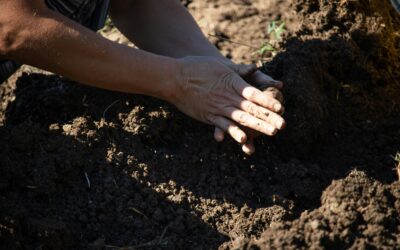
What Practical Steps Measure Soil Carbon Accurately?
Natural capital - the stock of natural resources such as soil, water, trees, and biodiversity - plays a crucial role in UK farming. Valuing natural capital in your business plan helps demonstrate the economic, environmental, and social benefits of sustainable practices. It can inform investment decisions, attract funding, and support compliance with sustainability and environmental regulations. Soil carbon is a key indicator of soil health, influencing: Soil structure and fertility – supports...

What Is Biodiversity Net Gain and How Does It Benefit Farmers?
Biodiversity Net Gain (BNG) is an emerging principle in UK agriculture and land management that encourages landowners to leave the natural environment in a better state than they found it. For farmers, BNG isn’t just about conservation—it offers practical benefits for soil, water, crops, livestock, and long-term farm resilience. Biodiversity Net Gain refers to improving habitats and ecosystems through development or land management. In practical terms for farmers, this can involve: Restoring...

What Role Do Trees and Hedges Play in Resilient Farming?
Trees and hedges are more than just landscape features - they are vital tools for resilient farming in the UK. By integrating trees and hedgerows into farm systems, farmers can protect soil, manage water, support biodiversity, and improve productivity. These natural features offer multiple benefits that strengthen farms against climate variability, extreme weather, and environmental pressures. Soil Protection and Carbon Storage Roots of trees and hedges stabilise soil, reducing erosion on...
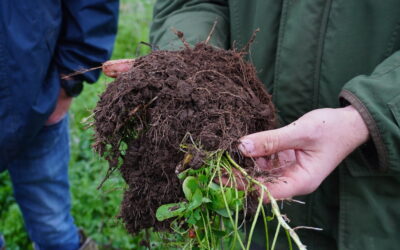
How Are Soil Carbon and Water Quality Linked?
Soil carbon is a key indicator of healthy farmland, but its benefits extend far beyond crop productivity. Increasingly, UK farmers and catchment managers are recognising the link between soil carbon and water quality. By building soil organic matter, farmers can reduce nutrient runoff, improve water retention, and support cleaner rivers and streams. Soil carbon refers to organic carbon stored in soils, largely from decomposed plant material and roots. It is vital for: Soil structure: Higher...
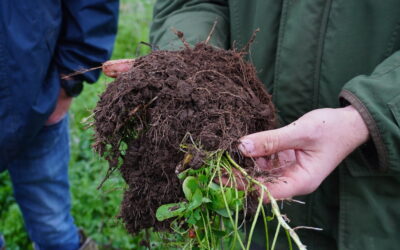
How Have Farms Integrated Carbon and Biodiversity Successfully?
UK farmers are increasingly recognising that carbon storage and biodiversity enhancement can go hand-in-hand. By integrating these practices, farms not only generate additional income through environmental payments and carbon credits but also improve soil health, water quality, and resilience to climate change. Successful examples show that thoughtful planning and management can deliver multiple environmental and business benefits. Carbon sequestration: Practices such as tree planting,...
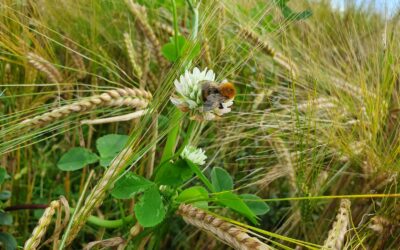
How Do I Value Natural Capital in My Business Plan?
Natural capital - the stock of natural resources such as soil, water, trees, and biodiversity - plays a crucial role in UK farming. Valuing natural capital in your business plan helps demonstrate the economic, environmental, and social benefits of sustainable practices. It can inform investment decisions, attract funding, and support compliance with sustainability and environmental regulations. Natural capital includes all elements of the natural environment that provide services supporting...

How Can I Plan for a More Profitable, Sustainable Farm in 2026?
As UK farmers look ahead to 2026, combining profitability with sustainability is increasingly important. Planning effectively allows farms to reduce costs, enhance productivity, improve resilience to extreme weather, and take advantage of environmental payments and carbon markets. A structured approach ensures that both the business and the environment benefit. Financial review: Assess costs, revenues, and profits. Identify areas for efficiency gains. Environmental review: Evaluate soil...
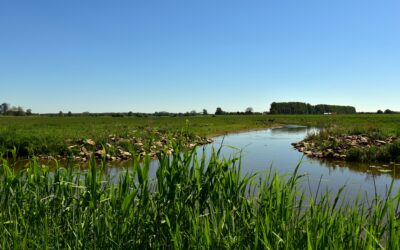
What Simple Field Fixes Save Soil and Water?
Protecting soil and water is a key priority for farmers and land managers. Simple, practical measures in the field can reduce erosion, prevent nutrient loss, and improve overall soil health without major investment. By taking action, farmers can safeguard productivity, protect waterways, and enhance the resilience of their land. Soil and water loss often occur due to: Surface runoff: Water moving across bare or compacted soil carries nutrients, pesticides, and sediment into watercourses....
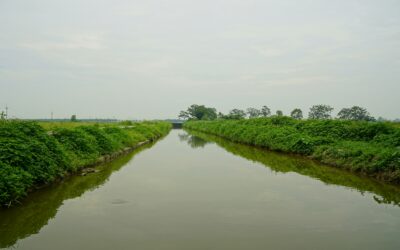
What Are the Water Quality Impacts of Autumn Cultivation vs No-Till?
Farmers face a constant balancing act between crop production and environmental stewardship. One key decision is whether to cultivate fields in the autumn or adopt no-till practices. This choice can significantly affect water quality in surrounding rivers, streams, and groundwater. Understanding these impacts helps farmers make informed management decisions that protect both yields and the environment. Water quality can be affected by farming in several ways: Soil erosion: Soil washed into...