

Winter cover crops are a key tool for UK farmers looking to protect soil, improve fertility, and reduce environmental impacts during the off-season. By keeping the soil covered, cover crops can prevent erosion, improve water infiltration, and build organic matter, all while providing additional benefits for the following cropping season.
What Are Winter Cover Crops?
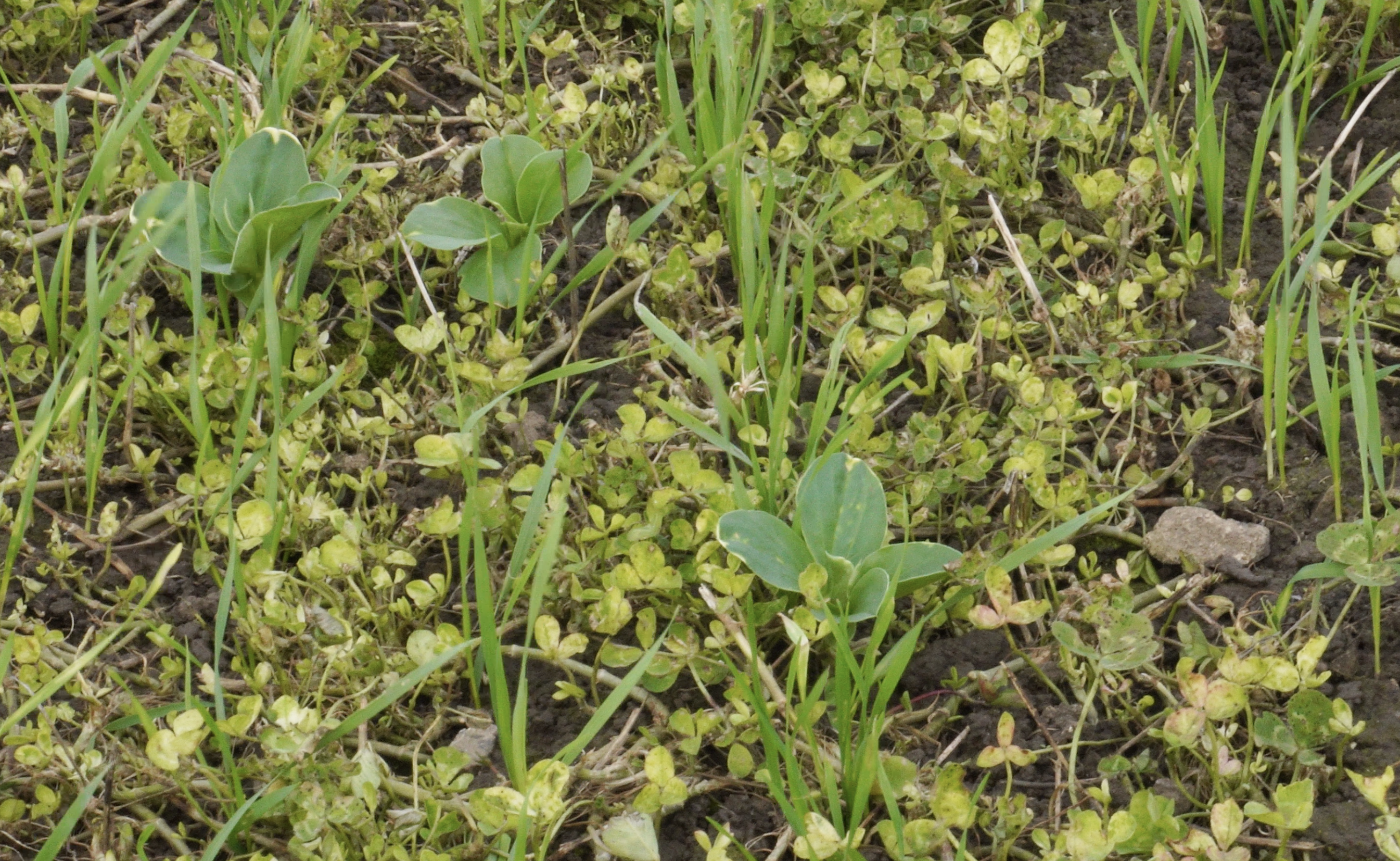
Winter cover crops are crops grown during the autumn and winter months when fields would otherwise be bare. Common choices include:
- Rye – fast-growing, hardy, and effective at preventing erosion.
- Clover – fixes nitrogen, improving soil fertility.
- Vetch – adds nitrogen and supports soil structure.
- Oilseed radish – breaks up compacted soil and improves drainage.
Cover crops are typically not harvested but are incorporated into the soil in spring as green manure or left to protect the soil until the next crop.

Benefits of Winter Cover Crops
- Protect Soil from Erosion
Soil left bare over winter is highly vulnerable to rainfall and wind. Cover crops shield the soil, reducing erosion and keeping topsoil in place.
- Reduce Nutrient Loss
Cover crops take up residual nitrogen and phosphorus, reducing the risk of leaching into watercourses. This protects water quality and preserves nutrients for the next crop.
- Improve Soil Structure
Roots from cover crops help to:
- Break up compacted layers.
- Improve soil porosity and water infiltration.
- Increase organic matter content, supporting long-term fertility.
- Suppress Weeds
Dense cover crop growth shades the soil, limiting space and light for winter weeds to establish.
- Support Biodiversity
Flowering cover crops, such as clover, provide habitat for pollinators and beneficial insects, enhancing farm biodiversity.

How to Establish Winter Cover Crops
- Choose the Right Crop
- Select species suited to your soil type, field conditions, and objectives (e.g., nitrogen fixing, erosion control, or soil structure improvement).
- Consider mixtures of crops to maximise benefits.
- Timing of Sowing
- Aim to sow after the main harvest, usually late August to October for most UK regions.
- Early sowing allows better establishment before winter.
- Prepare the Seedbed
- Minimal tillage or shallow cultivation is usually sufficient.
- Ensure good seed-to-soil contact without overworking the soil.
- Sowing Methods
- Drill sowing: Ensures even distribution and consistent depth.
- Broadcast sowing: Can be used for large areas, followed by light rolling to improve contact.
- Management Over Winter
- Monitor growth and soil cover.
- Avoid overgrazing or heavy machinery that could damage young plants.
- Termination in Spring
- Incorporate into the soil as green manure, mow, or use herbicide depending on your next crop requirements.

Top 5 Quick Actions for Establishing Winter Cover Crops
- Select a mix suited to your objectives: Rye for erosion control, clover for nitrogen, or a combination.
- Sow early after harvest: Gives plants time to establish before frost.
- Use minimal soil disturbance: Preserve soil structure and moisture.
- Ensure good seed-to-soil contact: Light rolling or drilling improves germination.
- Plan termination carefully: Choose a method that complements your spring cropping system.
Conclusion
Establishing winter cover crops is a simple but highly effective way to protect soil, improve fertility, reduce nutrient losses, and support biodiversity. By choosing the right crops, sowing at the correct time, and managing them effectively over winter, farmers can safeguard productivity, enhance soil health, and protect water quality for the seasons ahead.
FAQ: Winter Cover Crops
Q1: Can I use winter cover crops on all soil types?
A: Yes, but crop choice may vary. Deep-rooted species like oilseed radish suit heavier soils, while rye and clover are versatile across most soils.
Q2: Do cover crops reduce yields of the next crop?
A: No, if managed correctly. Cover crops protect soil, enhance fertility, and can actually improve yields by maintaining nutrient availability and soil structure.
Q3: How do I terminate cover crops?
A: Options include mowing, ploughing, shallow cultivation, or using herbicide, depending on the following crop and your management system.
Q4: Are cover crops expensive to establish?
A: Seed costs are relatively low compared with the benefits gained in reduced erosion, improved soil health, and nutrient retention.
Q5: Can livestock graze winter cover crops?
A: Yes, species like clover and rye can be grazed carefully, but avoid overgrazing to maintain soil cover.
External Resources
- AHDB – Why Grow Cover Crops?
- NutriNorm – Winter Cover Crops: Enhancing Soil Health and Management