
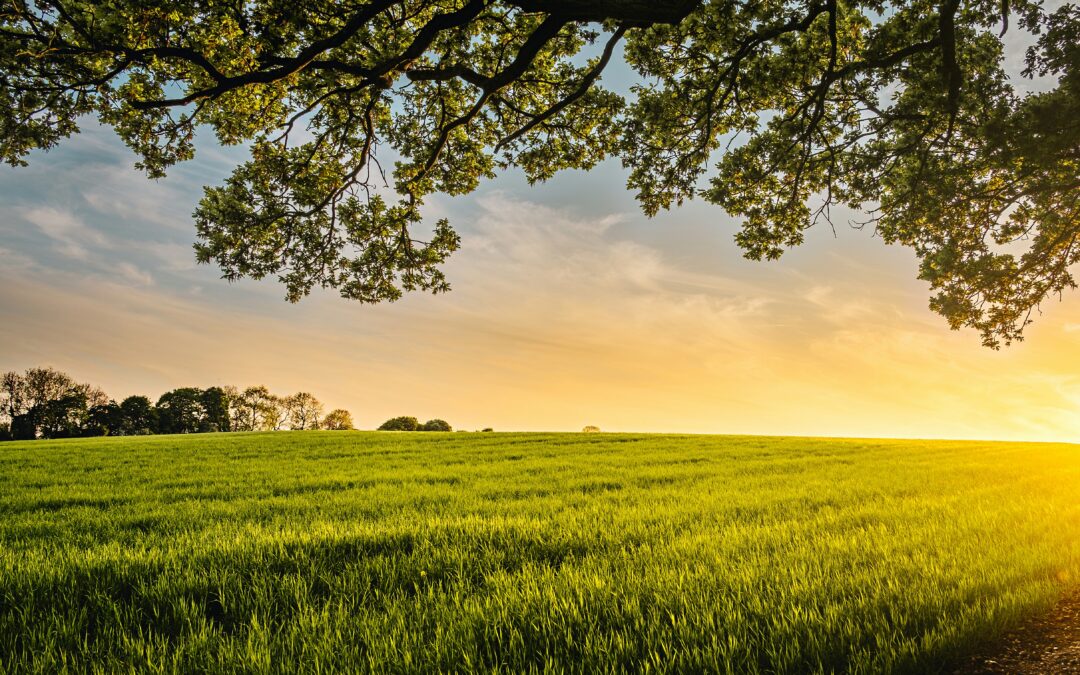
Trees and hedges are more than just landscape features – they are vital tools for resilient farming in the UK. By integrating trees and hedgerows into farm systems, farmers can protect soil, manage water, support biodiversity, and improve productivity. These natural features offer multiple benefits that strengthen farms against climate variability, extreme weather, and environmental pressures.
How Trees and Hedges Support Resilient Farming
- Soil Protection and Carbon Storage
- Roots of trees and hedges stabilise soil, reducing erosion on slopes and exposed fields.
- Leaf litter and organic matter improve soil structure and store carbon, contributing to climate mitigation.
- Water Management
- Trees and hedges slow surface runoff, reducing flooding risk.
- Roots improve infiltration, helping soils retain water during dry spells.
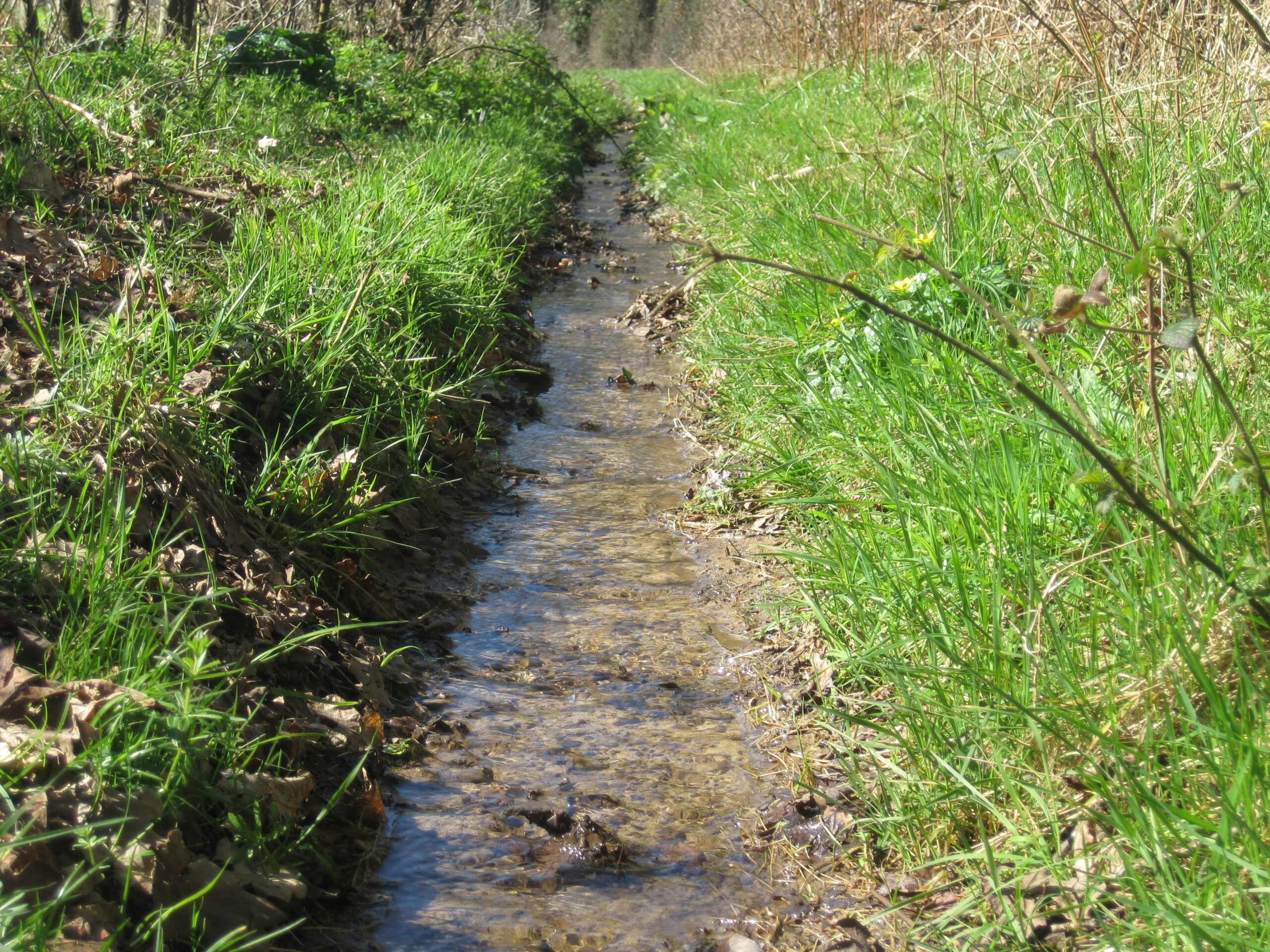
- Vegetated buffer zones filter sediment and nutrients before they reach watercourses.
- Windbreaks and Microclimate Regulation
- Hedges and tree lines reduce wind speed, protecting crops and livestock.
- They create more stable microclimates, which can enhance crop yields and reduce soil drying.
- Biodiversity and Pest Control
- Provide habitats for pollinators, birds, and beneficial insects.
- Support natural pest control by attracting predators of crop pests.
- Enhance ecosystem resilience, making farms more adaptive to environmental change.
- Climate Resilience and Farm Income
- Trees and hedgerows contribute to climate adaptation by buffering extreme weather impacts.
- Eligible for environmental payments, carbon credits, and agri-environment schemes, providing financial incentives.
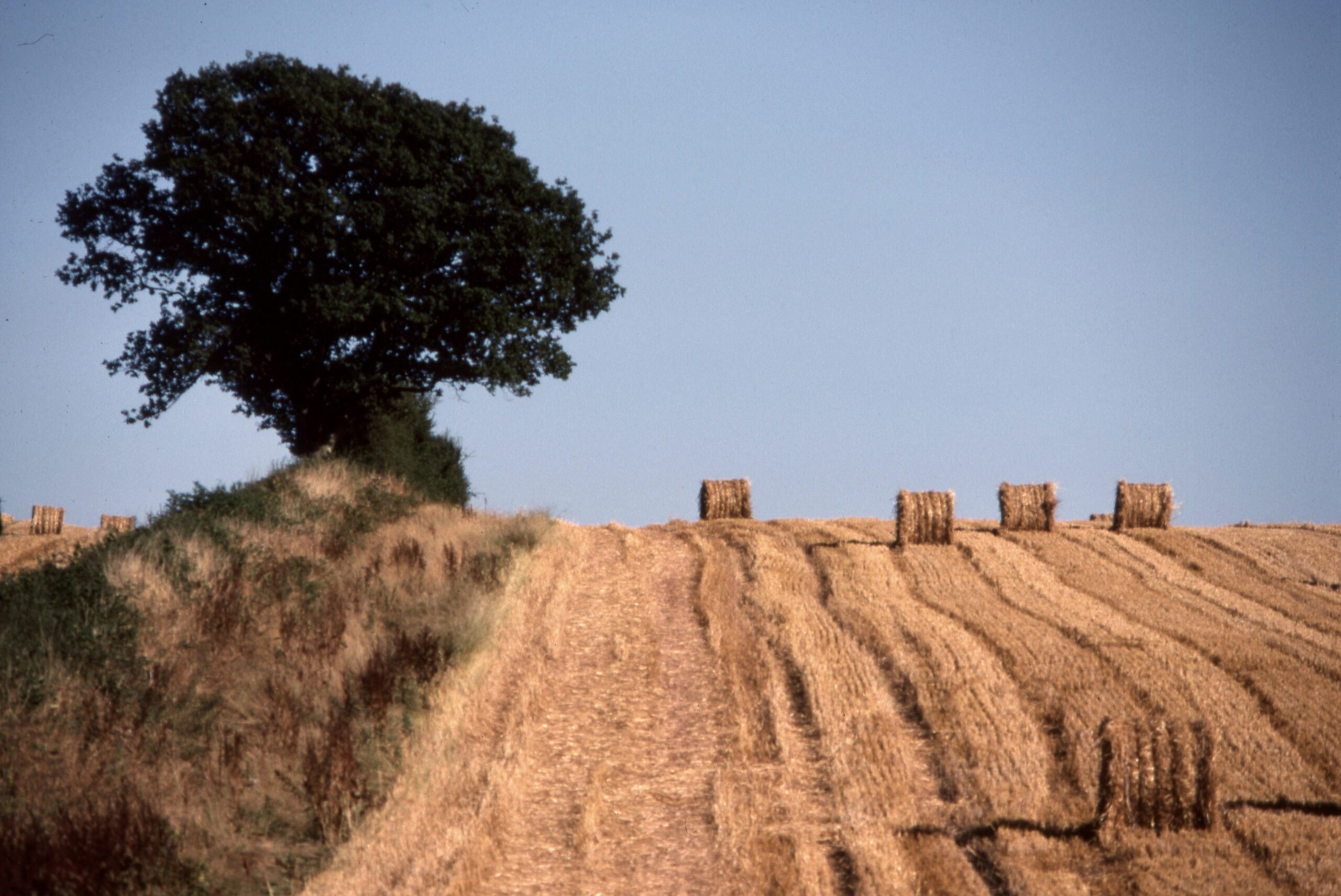
Practical Ways to Integrate Trees and Hedges
- Plant Field Margins and Buffer Strips
- Establish hedges along field boundaries or watercourses to trap sediment and enhance habitats.
- Incorporate Agroforestry
- Mix trees with crops or pasture to provide shade, shelter, and additional income from timber or fruit.
- Maintain Existing Hedgerows
- Regular trimming and gap-filling keeps hedgerows healthy and maximises benefits.
- Use Native Species
- Native trees and shrubs are more resilient and provide the greatest ecological benefits.
- Combine With Other Sustainable Practices
- Integrate cover crops, rotational grazing, and buffer strips to enhance soil, water, and biodiversity outcomes.
Top 5 Quick Actions for Farmers
- Plant or restore hedgerows along field edges and waterways.
- Establish agroforestry systems where appropriate.
- Maintain existing hedges and trees for long-term soil and biodiversity benefits.
- Use native species to maximise ecological impact.
- Combine trees and hedges with other measures like cover crops and buffer strips for resilient farming.
Conclusion
Trees and hedges are powerful tools for resilient farming. They protect soil, manage water, support biodiversity, regulate microclimates, and contribute to farm profitability. By planting, maintaining, and integrating trees and hedges into farm systems, UK farmers can build more sustainable and resilient farms while contributing to environmental stewardship.
FAQ: Trees and Hedges in Resilient Farming
Q1: How do hedges reduce soil erosion?
A: Roots stabilise the soil, while branches and leaves reduce wind and water speed across fields, preventing soil loss.
Q2: Can trees and hedges improve water quality?
A: Yes. Vegetated areas filter sediment, nutrients, and pesticides before they reach watercourses.
Q3: Do they take land out of production?
A: Some space is used, but benefits like reduced erosion, improved yields, carbon credits, and biodiversity payments often outweigh the small loss of cropping area.
Q4: Which species are best for UK farms?
A: Native species such as hawthorn, blackthorn, oak, and field maple are resilient and support local wildlife.
Q5: Can agroforestry provide additional income?
A: Yes. Products such as timber, firewood, fruit, nuts, or even grazing under trees can create extra revenue streams.