
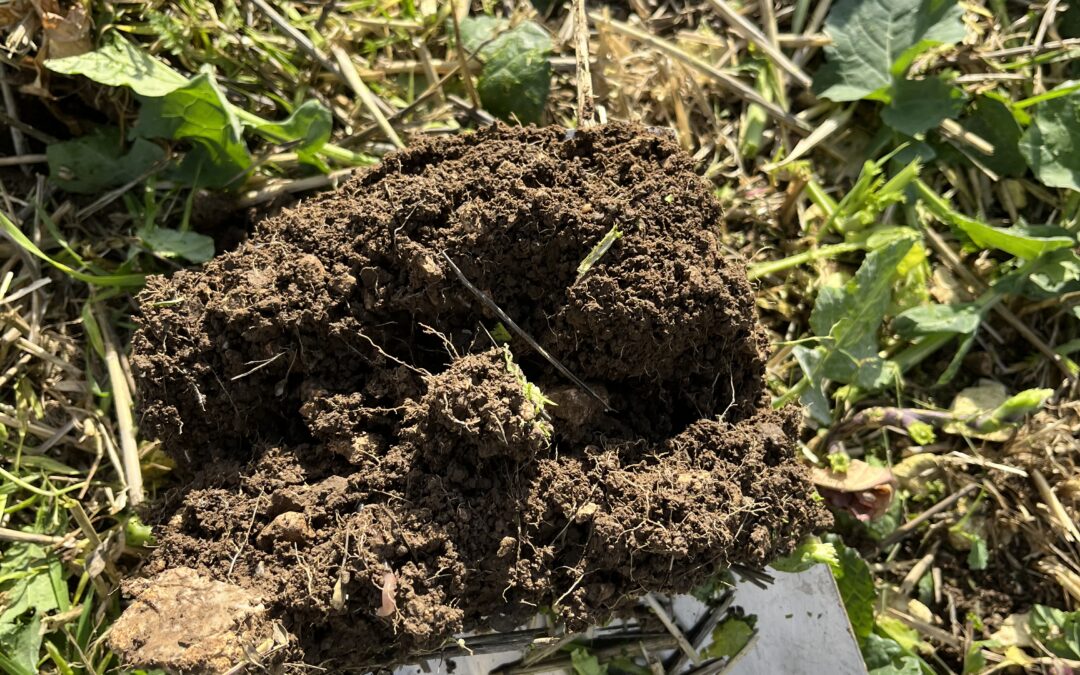
Soil health is the foundation of productive, resilient, and sustainable farming. Regularly reviewing soil health helps farmers optimise crop performance, reduce input costs, protect water quality, and enhance long-term profitability. Understanding your soil’s current condition allows you to make informed management decisions for 2026 and beyond.
Why Review Soil Health?
- Nutrient availability – knowing what nutrients your crops need reduces fertiliser costs and improves yields.
- Soil structure and compaction – healthy structure improves water infiltration, root growth, and machinery efficiency.
- Organic matter levels – high organic matter supports fertility, carbon storage, and resilience to drought or heavy rain.
- Erosion and runoff risk – identifying vulnerable areas helps prevent soil loss and water pollution.
Steps to Review Your Farm’s Soil Health
- Collect and Analyse Soil Data
- Take soil samples across your fields, considering different soil types and management zones.
- Test for pH, nutrient levels, organic matter, and texture.
- Compare results with previous years to track trends.
- Assess Soil Structure and Compaction
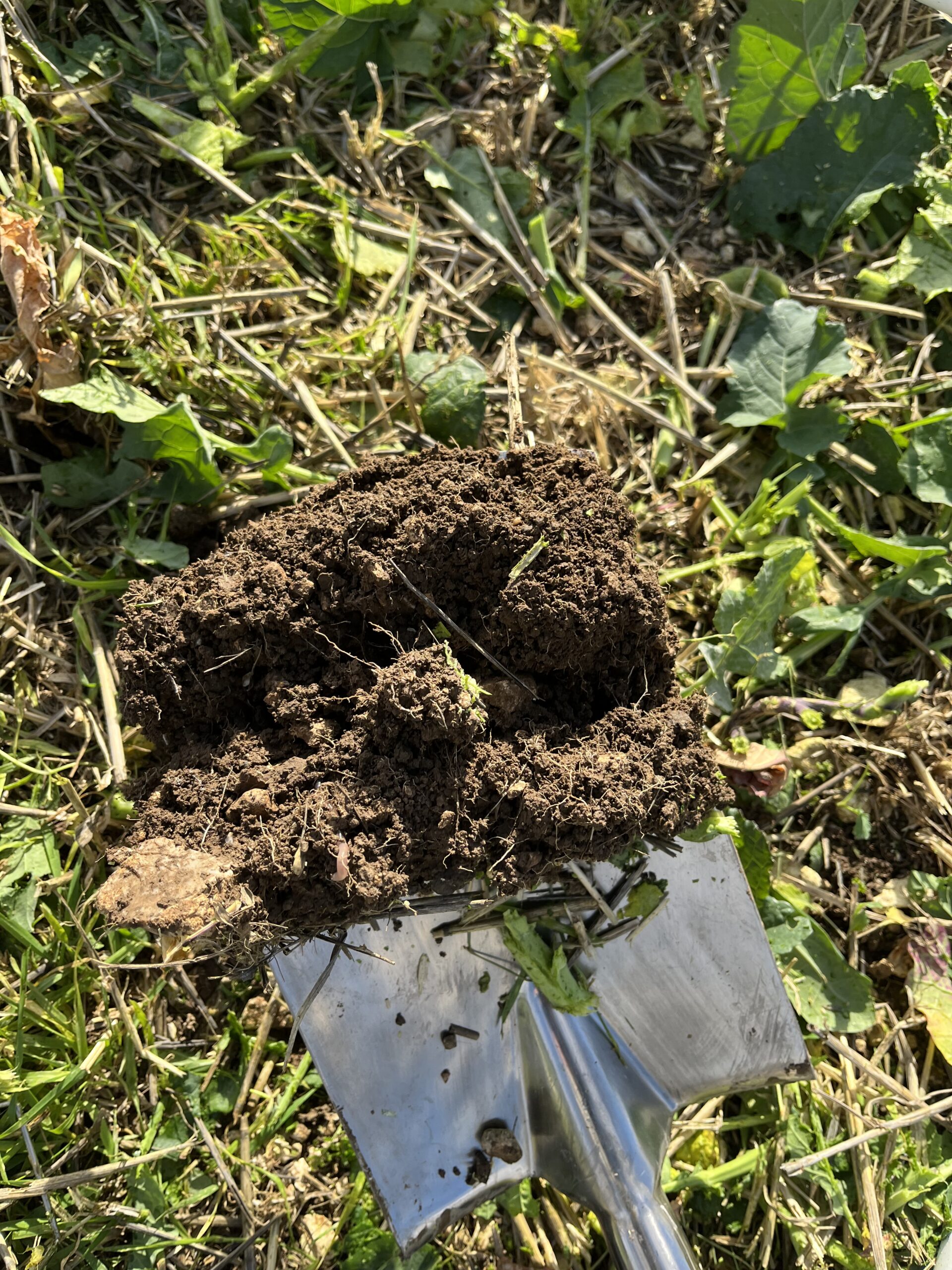
- Perform visual inspections and field tests, such as spade tests or penetrometer readings.
- Look for puddling, crusting, or compaction layers that can limit crop growth.
- Monitor Biological Activity
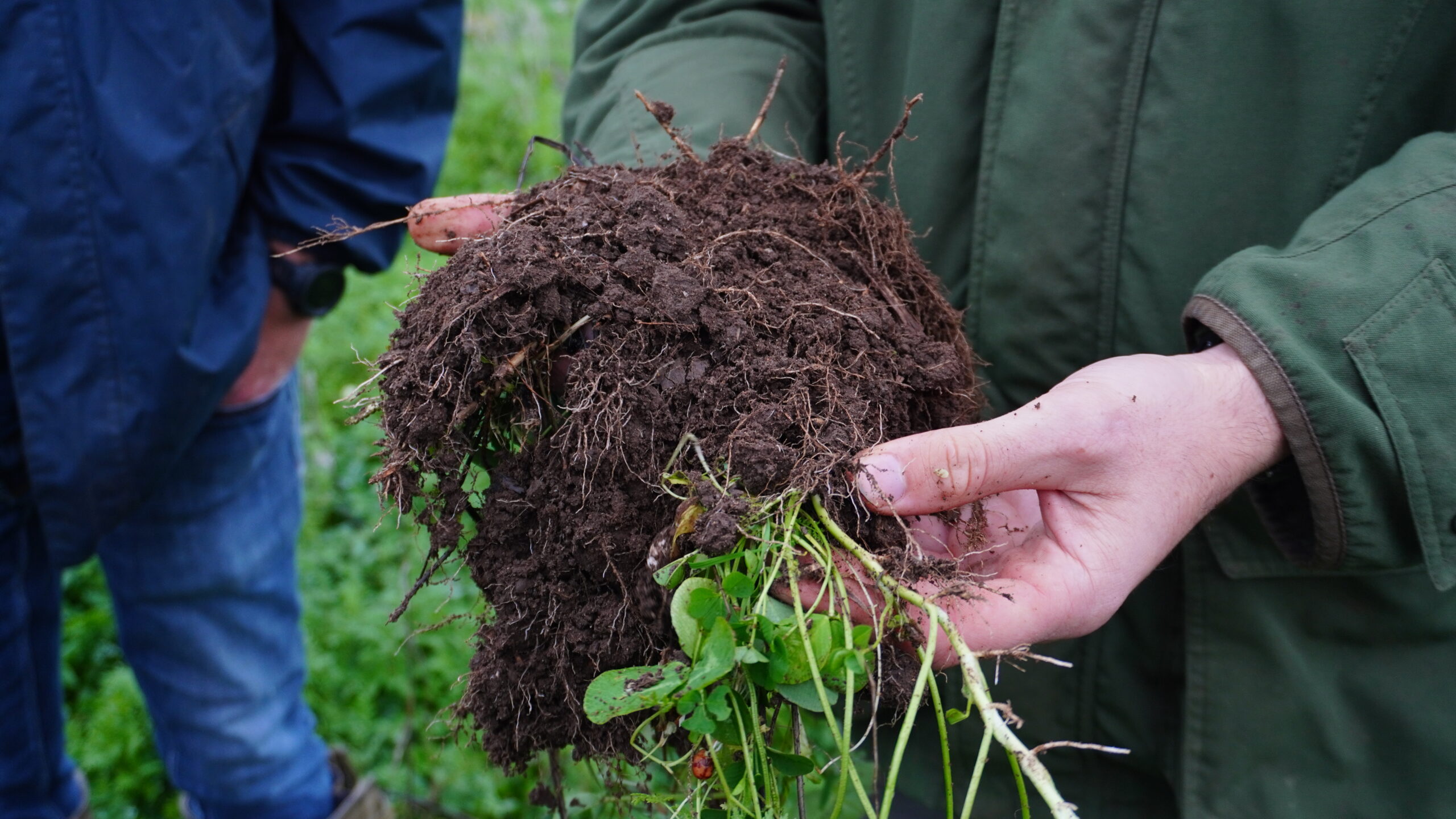
- Healthy soils contain active earthworms, microbial life, and organic residues.
- Simple indicators include earthworm counts, soil smell, and texture.
- Evaluate Erosion and Runoff Risks
- Identify areas prone to water or wind erosion, particularly on slopes or near watercourses.
- Map vulnerable zones and assess the effectiveness of buffer strips, cover crops, or grass margins.
- Use Digital Tools and Records
- Track soil health using GIS mapping, yield monitors, and farm management software.
- Maintain records of fertiliser application, crop rotations, and soil amendments to link management practices with soil outcomes.
- Compare Against Targets
- Set measurable soil health goals, such as increasing organic matter by a certain percentage or reducing compaction.
- Evaluate progress against these targets annually to guide management decisions.
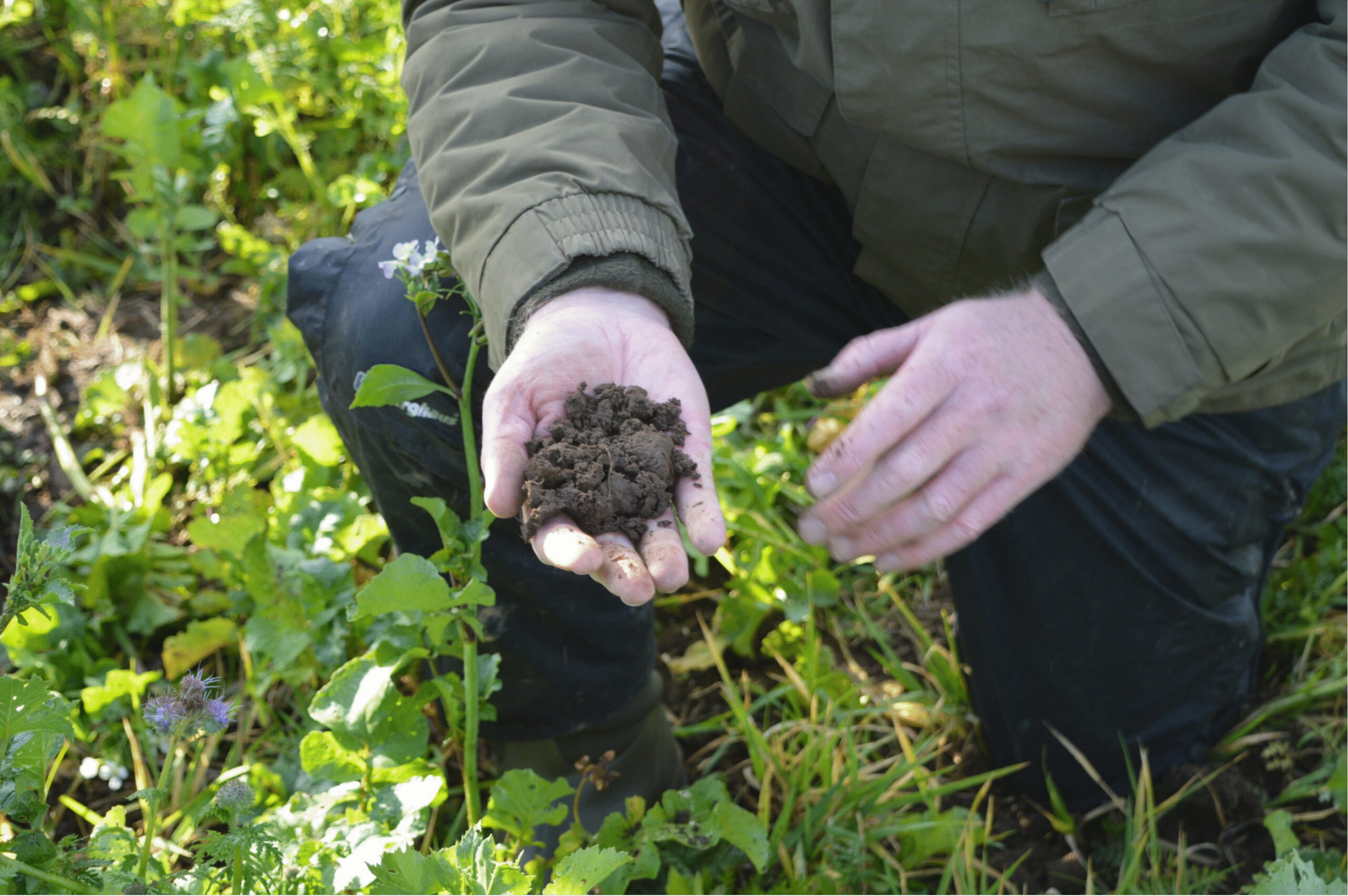
Practical Actions to Improve Soil Health
- Cover crops – protect soil, add organic matter, and improve structure.
- Reduced tillage or no-till practices – maintain soil structure and reduce erosion.
- Organic amendments – compost, manure, or digestate to boost fertility and microbial life.
- Buffer strips and grass margins – reduce runoff and trap nutrients.
- Regular monitoring – continue testing to assess impact of management changes.
Conclusion
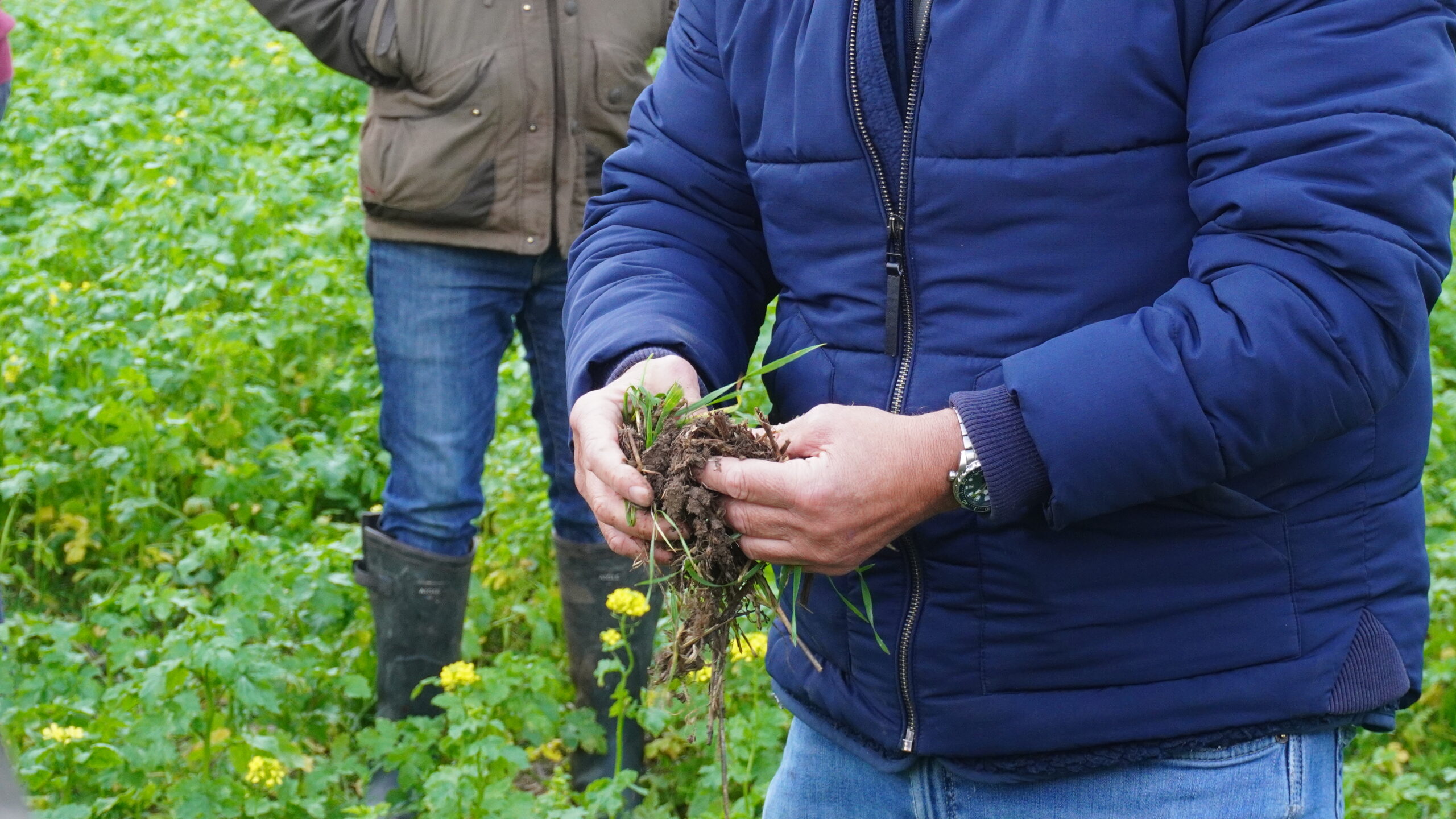
Regularly reviewing your farm’s soil health is essential for long-term productivity, sustainability, and resilience. By collecting data, assessing structure and biological activity, monitoring erosion risks, and comparing against targets, farmers can make informed decisions that protect soil, enhance crop performance, and unlock environmental funding.
FAQ: Reviewing Soil Health
Q1: How often should I test my soil?
A: Soil testing at least once every 2–3 years is recommended, with annual checks in high-risk or intensively managed areas.
Q2: Which soil indicators are most important?
A: Key indicators include organic matter, pH, nutrient levels, soil structure, compaction, and biological activity.
Q3: Can I review soil health without lab tests?
A: Yes. Visual inspections, earthworm counts, and simple field tests provide valuable insights alongside lab analysis.
Q4: How do soil health reviews help with environmental compliance?
A: Understanding soil nutrient levels and structure supports Farming Rules for Water compliance and reduces runoff risk.
Q5: What’s the link between soil health and profitability?
A: Healthy soils improve yields, reduce input costs, enhance resilience to weather extremes, and can unlock payments for carbon and water protection schemes.
External Resources Worth A Read
- AHDB – The soil health scorecard
- Crop Science – How to Test Soil Health on Your Farm: 10 Key Methods