
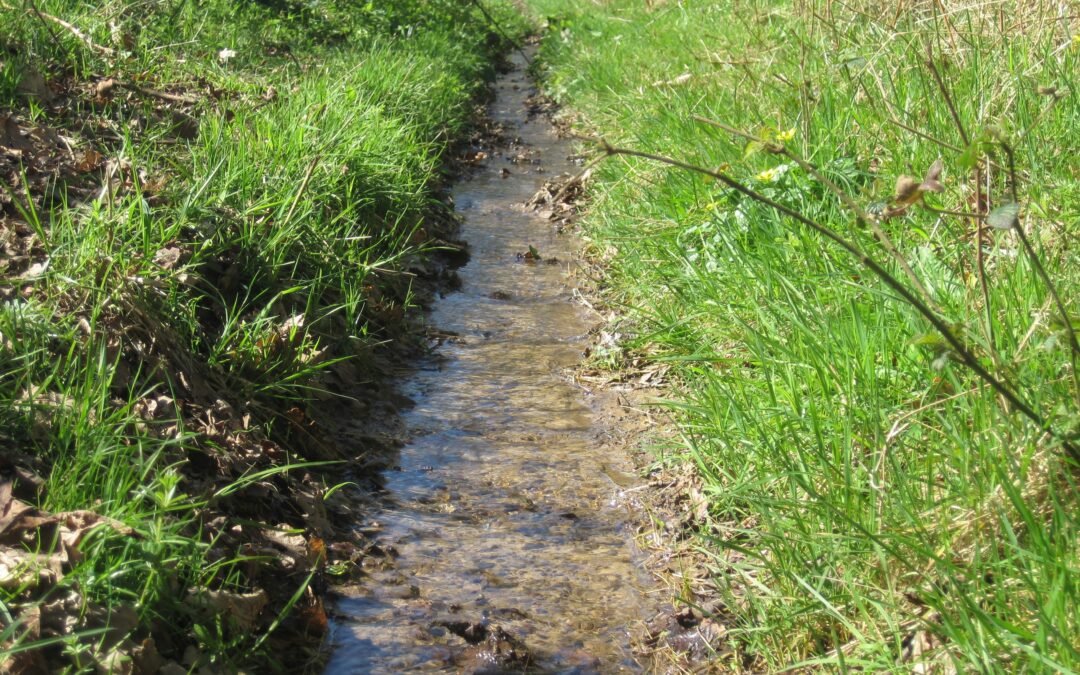
Sediment loss from farmland is a major environmental concern, impacting water quality, aquatic habitats, and downstream infrastructure. Across the UK, farmers are adopting practical measures to reduce sediment runoff, protecting both their soil and local waterways. Understanding these approaches helps farmers implement effective strategies in their own catchments.
Understanding Sediment Loss
Sediment loss occurs when soil is washed from fields into rivers, streams, or ditches during rainfall or irrigation. It can:
- Reduce soil fertility by removing nutrient-rich topsoil.
- Smother aquatic habitats, harming fish and invertebrates.
- Carry nutrients and pesticides into watercourses, affecting water quality.
- Increase dredging and maintenance costs for downstream water infrastructure.
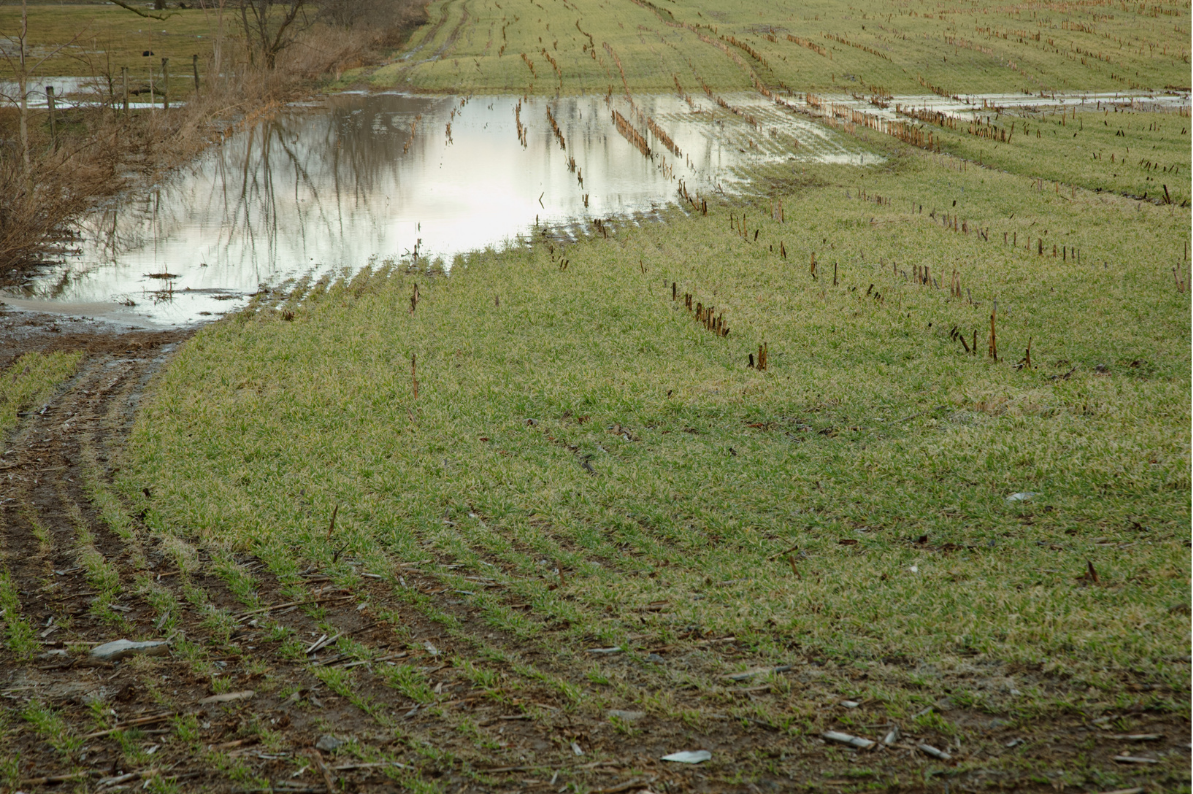
Sediment loss is most significant on sloping land, bare soils, and high-traffic areas such as gateways and farm tracks.
How Farms Have Reduced Sediment Loss
- Winter Cover Crops
- Protect bare soil: Crops such as rye, vetch, and clover cover fields over winter, reducing runoff.
- Increase organic matter: Roots improve soil structure and water infiltration.
- Capture residual nutrients: Helps prevent leaching into watercourses.
- Buffer Strips and Riparian Margins
- Grass strips or vegetated zones along rivers and streams trap sediment before it enters watercourses.
- Can include flowering plants to support biodiversity.
- Often planted at field edges or in sensitive catchment zones.
- Reduced Tillage and No-Till Systems
- Leaving soil undisturbed reduces erosion and sediment movement.
- Crop residues protect the soil surface from raindrop impact.
- Helps build long-term soil structure and fertility.
- Gateway and Track Management
- Reinforcing gateways with gravel or hardstanding prevents soil displacement in wet weather.
- Drainage improvements divert water away from tracks, reducing erosion.
- Field Drainage and Water Management
- Swales, check dams, and controlled outlets slow water flow and promote infiltration.
- Clearing ditches and maintaining watercourses prevents sediment from being washed downstream.
- Strategic Crop Rotations
- Deep-rooted crops such as brassicas and grass reduce compaction and stabilise soil.
- Rotating crops helps maintain organic matter and reduce exposed soil periods.

Top 5 Quick Wins for Reducing Sediment Loss
- Plant winter cover crops to protect bare soils.
- Establish buffer strips along watercourses to trap sediment.
- Reinforce gateways and tracks to prevent erosion in high-traffic areas.
- Use reduced or no-till systems to maintain soil structure.
- Maintain drainage and watercourses to manage runoff and sediment flow.

Conclusion
Farms across the UK are successfully reducing sediment loss through practical, low-impact measures. By combining cover crops, buffer strips, no-till practices, improved track management, and careful water control, farmers can protect soil, improve water quality, and maintain productive land.
Implementing these strategies not only safeguards the environment but also enhances long-term farm resilience and profitability.

FAQ: Reducing Sediment Loss in Catchments
Q1: How effective are cover crops at reducing sediment loss?
A: Very effective. Studies show cover crops can reduce soil loss by 50–70% depending on species, timing, and soil type.
Q2: Can buffer strips affect crop yields?
A: Only a small area is removed from production, and the benefits of reduced erosion and nutrient loss usually outweigh the small land loss.
Q3: Does no-till work on all soil types?
A: Yes, but management may need to be adapted. Heavier soils may benefit from additional cover crop species to improve infiltration.
Q4: Are there low-cost ways to protect gateways and tracks?
A: Yes. Simple measures like adding gravel, installing small drains, and creating vegetative edges can be highly effective without major investment.
Q5: How quickly can sediment loss reduction measures show results?
A: Many measures, including cover crops, buffer strips, and track reinforcement, can reduce sediment loss in the first season after implementation.
External Resources
- Yorkshire Dales Rivers Trust – Losing ground – managing water runoff and soil erosion on farms
- GOV.UK – Catchment Sensitive Farming: advice for farmers and land managers