
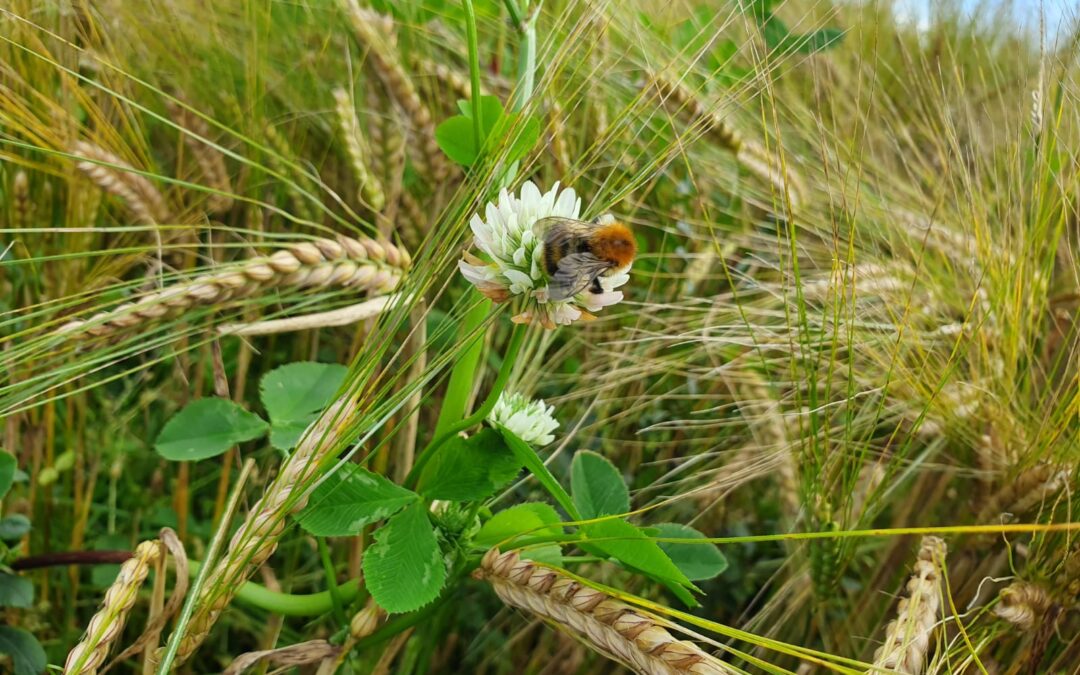
Natural capital – the stock of natural resources such as soil, water, trees, and biodiversity – plays a crucial role in UK farming. Valuing natural capital in your business plan helps demonstrate the economic, environmental, and social benefits of sustainable practices. It can inform investment decisions, attract funding, and support compliance with sustainability and environmental regulations.
Understanding Natural Capital
Natural capital includes all elements of the natural environment that provide services supporting farm productivity and the wider ecosystem, such as:
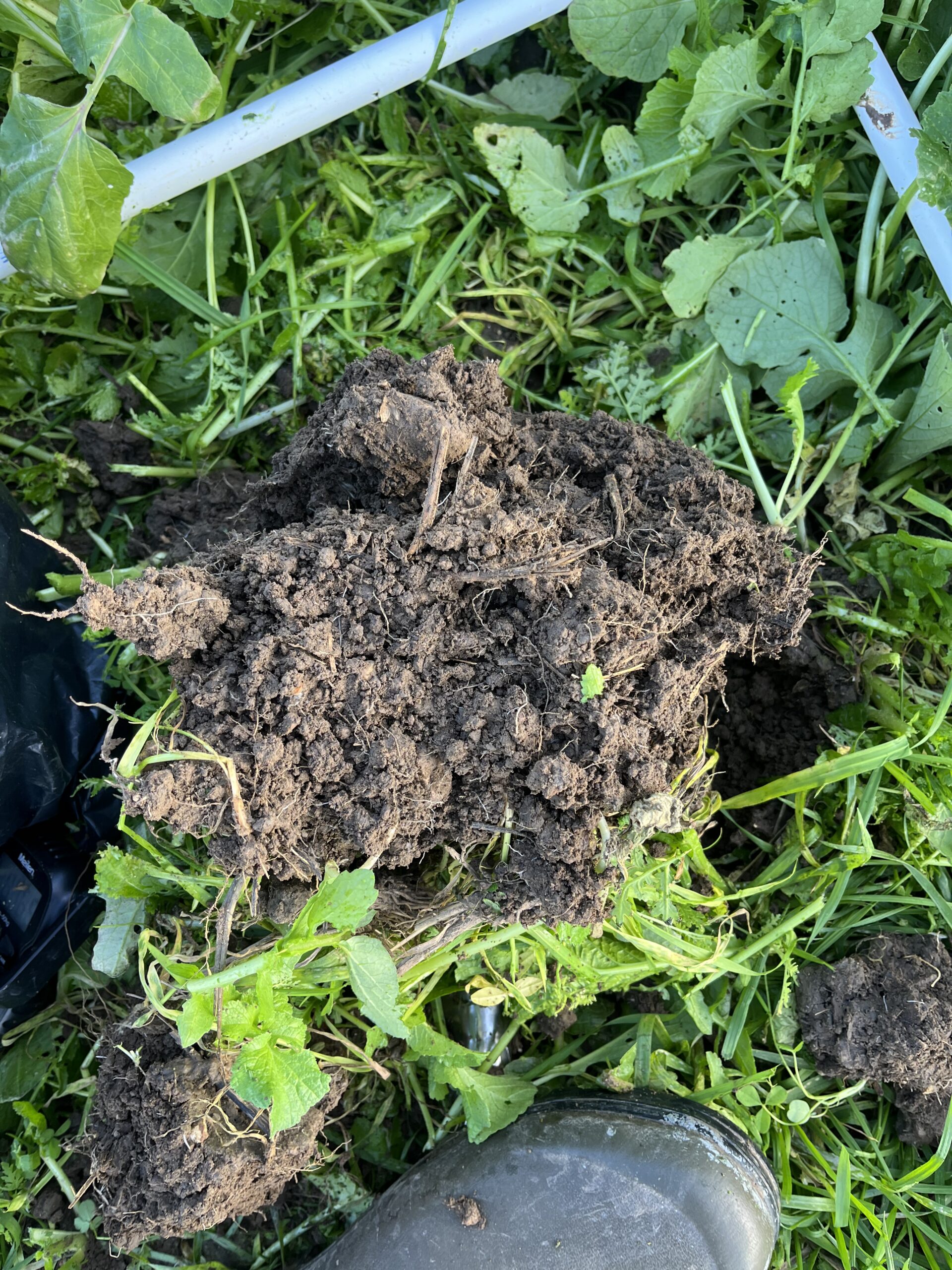
- Soil health: Supports crops, pasture, and water regulation.
- Water resources: Supplies irrigation and influences flood resilience.
- Biodiversity: Pollinators, pest predators, and habitat stability.
- Carbon storage: Mitigates climate change and may generate financial returns via carbon credits.
- Landscapes and woodlands: Offer shelter, microclimate regulation, and aesthetic value.
Valuing these assets in a business plan demonstrates their role in long-term farm profitability and sustainability.
Steps to Value Natural Capital in Your Business Plan
- Identify Key Natural Assets
- Map your farm’s soil types, watercourses, hedgerows, trees, and habitats.
- Determine which assets provide critical ecosystem services, like water filtration or pollination.
- Assess Condition and Service Provision
- Evaluate soil organic matter, drainage, and erosion risk.
- Assess water quality and biodiversity health indicators.
- Consider carbon storage potential and climate resilience.
- Assign Economic or Strategic Value
- Direct financial value: Revenue from carbon credits, agri-environment payments, or sustainable produce premiums.
- Avoided costs: Reduced soil erosion, flood damage, or fertiliser loss.
- Long-term strategic value: Increased resilience, reputation, and eligibility for future environmental schemes.
- Integrate Into Business Planning
- Highlight natural capital in risk assessments and investment decisions.
- Include projected benefits from sustainable management practices (e.g., cover crops, buffer strips, agroforestry).
- Demonstrate how protecting or enhancing natural capital supports profitability and sustainability.
- Monitor and Review
- Establish metrics for soil health, water quality, biodiversity, and carbon storage.
- Review and update natural capital valuations regularly to reflect improvements or risks.
Top 5 Quick Tips for Farmers
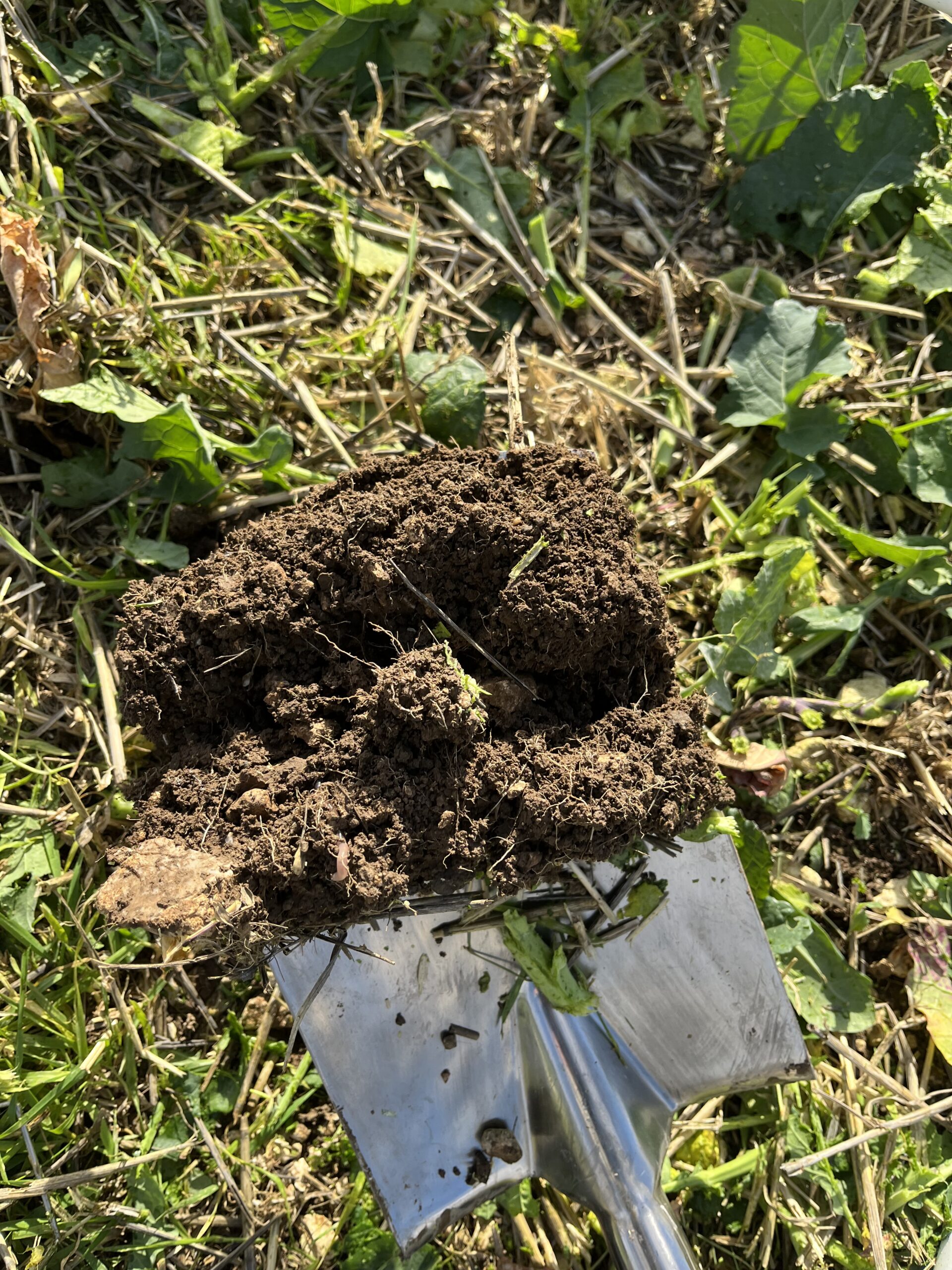
- Map your natural assets to identify what contributes most to farm productivity and resilience.
- Quantify both financial and non-financial benefits of natural capital.
- Incorporate natural capital into risk management, showing how healthy soils and habitats mitigate business risks.
- Use environmental payments and carbon credits to demonstrate direct monetary value.
- Monitor and update valuations annually to support funding, investment, and sustainability reporting.

Conclusion
Incorporating natural capital into your farm business plan ensures that soil, water, biodiversity, and carbon storage are recognised as key assets. Valuing these resources helps demonstrate the economic and environmental benefits of sustainable practices, supports funding and investment decisions, and builds resilience against future risks.
By mapping assets, assessing condition, and quantifying benefits, UK farmers can create robust, future-ready business plans that balance productivity, profitability, and environmental stewardship.

FAQ: Valuing Natural Capital on Farms
Q1: Why should I include natural capital in a business plan?
A: It highlights the economic and environmental value of sustainable practices, supports funding applications, and helps manage risks.
Q2: Can natural capital be monetised?
A: Yes. Examples include carbon credits, agri-environment payments, avoided costs from soil erosion, and market premiums for sustainably produced products.
Q3: How do I measure soil and water-related benefits?
A: Indicators such as soil organic matter, infiltration rates, nutrient retention, and water quality monitoring provide measurable evidence.
Q4: Is natural capital valuation complicated?
A: Basic valuations can be done using simple assessments and existing payment schemes; detailed economic valuation may require professional advice.
Q5: Does valuing natural capital improve farm resilience?
A: Yes. Understanding and investing in natural capital reduces risks from extreme weather, flooding, nutrient loss, and declining soil fertility.
External Resources Worth A Read
- GOV.UK – Enabling a Natural Capital Approach guidance
- Savills UK – Natural Capital Valuation and Evaluation