
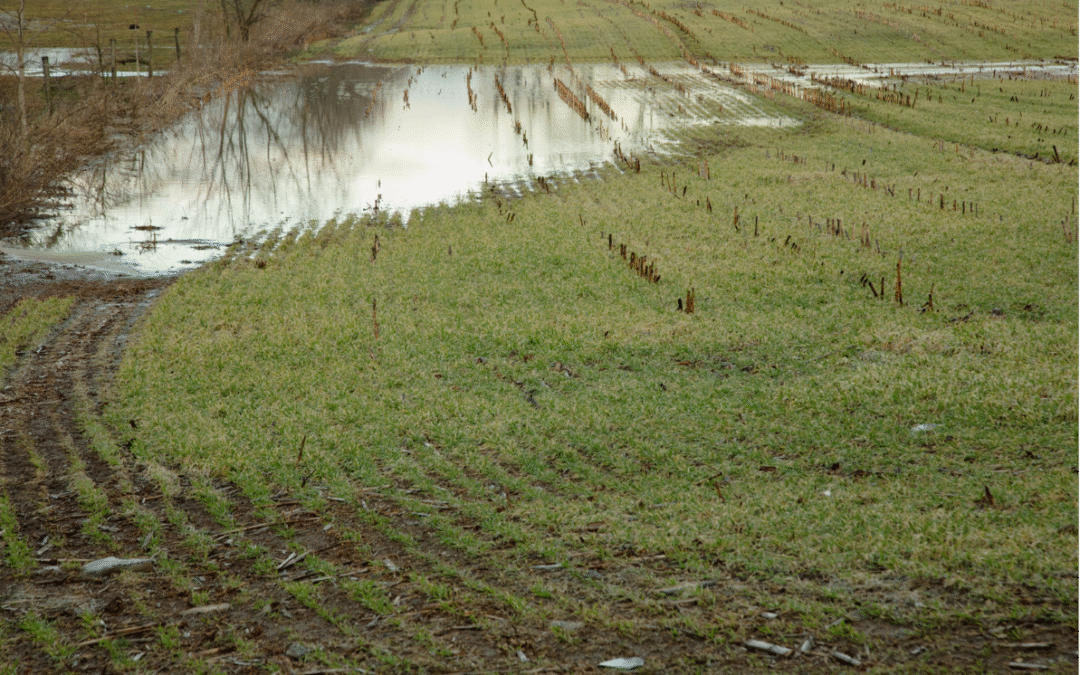
Gateways and farm tracks are vital for accessing fields, but during wet weather they can become major sources of soil erosion, compaction, and nutrient loss. Managing erosion in these high-traffic areas is essential to protect soil health, prevent water pollution, and maintain farm productivity.
Understanding Gateway and Track Erosion
Erosion occurs when rainfall or vehicle movement removes topsoil. Gateways and tracks are particularly vulnerable because:
- They are often bare or compacted, limiting water infiltration.
- Concentrated traffic accelerates soil displacement.
- Water flowing along tracks carries sediment and nutrients into nearby watercourses.
If unmanaged, erosion can lead to deep ruts, damaged access routes, and increased maintenance costs.
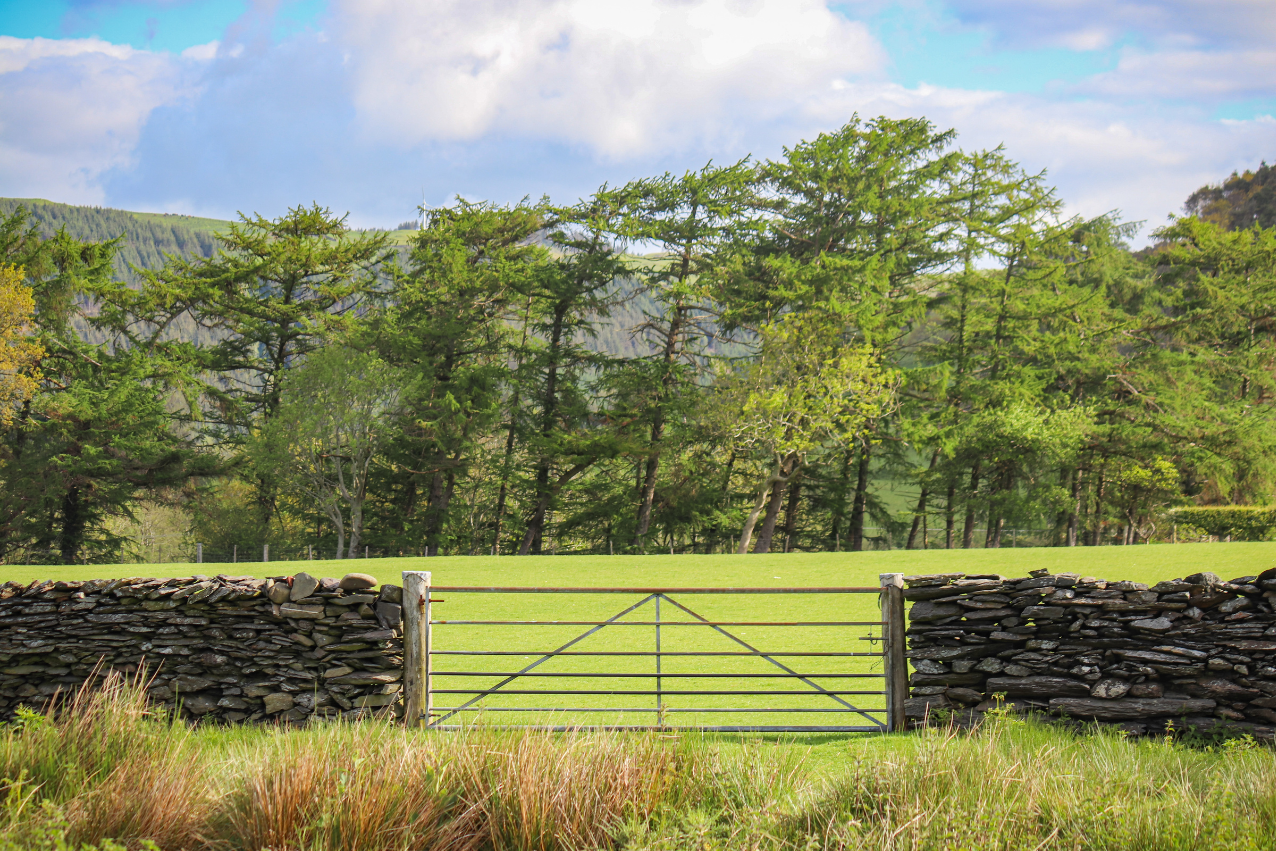
Strategies to Manage Gateway and Track Erosion
- Improve Surface Drainage
Effective drainage prevents water from pooling and flowing along tracks:
- Install ditches or drains along the sides of tracks to divert water away.
- Use cross-drains or grips to prevent water from concentrating along gateways.
- Maintain existing drains to ensure water flows freely.
- Reinforce Track Surfaces
Strengthening the track surface reduces rutting and soil loss:
- Aggregate surfacing: Gravel, crushed stone, or recycled road planings create a stable surface.
- Geotextile membranes: Placed under aggregate to improve stability and prevent mixing with soil.
- Concrete or hardstanding gateways: Useful in high-traffic areas to minimise erosion.
- Manage Traffic
Limiting pressure on vulnerable areas can reduce compaction and erosion:
- Avoid heavy machinery use in wet conditions where possible.
- Rotate traffic routes to prevent repeated wear on the same sections.
- Use wide gateways to spread load and reduce concentrated pressure.
- Vegetative Measures
Plants can help stabilise soil and reduce erosion along track edges:
- Establish grass or vegetative margins alongside gateways.
- Use hardy, low-maintenance species that tolerate traffic and wet conditions.
- Mulch exposed soil to protect against raindrop impact.
- Seasonal Planning
- Restrict access to wet fields or tracks during prolonged rainfall.
- Plan machinery movements around drier periods where possible.
- Monitor erosion-prone areas and implement improvements before the winter.
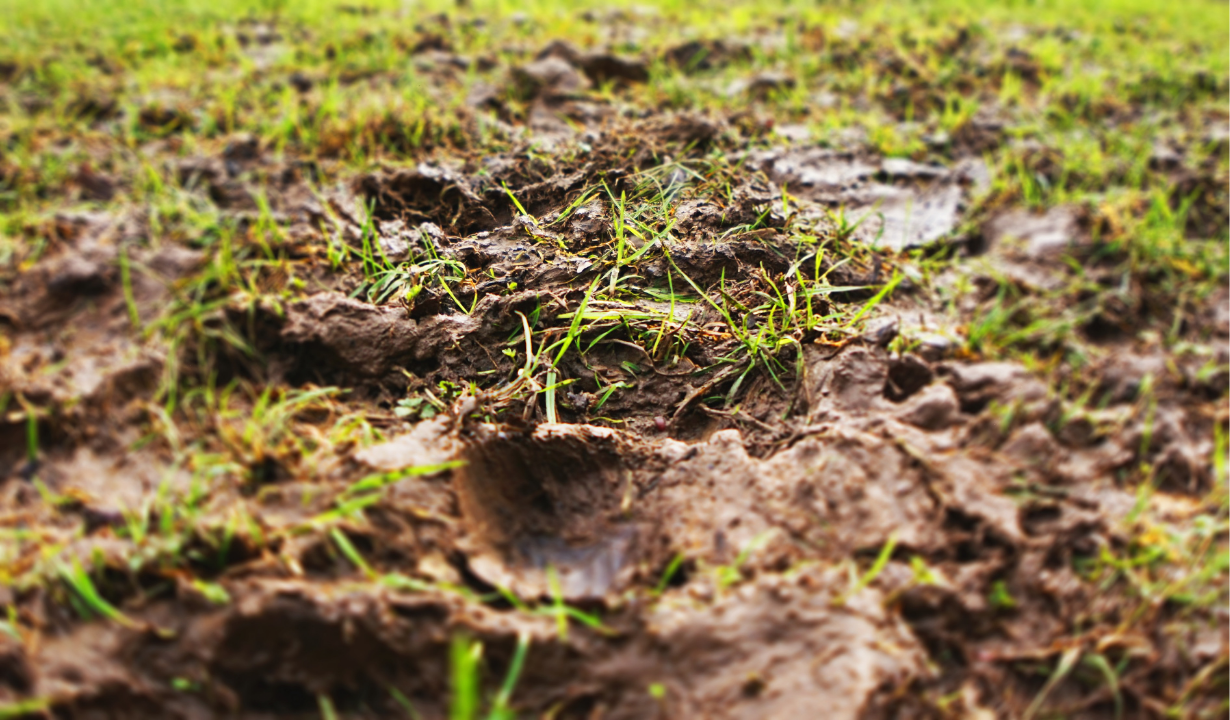
Top 5 Quick Fixes for Wet Weather Gateway and Track Erosion
- Lay aggregate or gravel on gateways and high-traffic track sections.
- Install or clear drains to prevent water from running along tracks.
- Create vegetated margins alongside tracks to trap sediment.
- Rotate machinery routes to spread pressure and prevent ruts.
- Restrict access in wet conditions to reduce compaction and erosion.
Government Grants to Help Farmers Manage Track and Gateway Erosion
1. Countryside Stewardship Capital Grants
The Countryside Stewardship Capital Grants scheme (England) offers support for environmental and infrastructure improvements. Farmers can apply for funding to:
-
Upgrade livestock and machinery tracks with hardcore or other permeable materials.
-
Improve gateway surfacing to reduce runoff and soil loss.
-
Install drainage features that prevent waterlogging and erosion.
These grants are designed to enhance farm infrastructure while protecting soils and water quality. Applicants must demonstrate environmental benefit and meet specific design and material requirements.
2. Environmental Land Management (ELM) Schemes
The UK’s Environmental Land Management (ELM) schemes, including the Sustainable Farming Incentive (SFI) and Countryside Stewardship Higher Tier (CSHT), reward farmers for sustainable land practices.
While these programmes focus on wider environmental outcomes – like reducing soil erosion and improving water quality- they also include capital items that support:
-
Track and gateway hardening.
-
Runoff control structures.
-
Buffer strips and sediment traps.
By combining infrastructure upgrades with sustainable grazing and soil management, farmers can boost both environmental and operational performance.
3. Water Restoration Fund
The Water Restoration Fund provides grants for projects that improve water environments through nature-based solutions. If track or gateway erosion is contributing to sediment or nutrient loss into watercourses, farms or catchment groups may be eligible for funding.
Collaborative applications – especially those showing measurable improvements in water quality—are encouraged.
Conclusion
Managing gateway and track erosion is vital for protecting soil, reducing maintenance costs, and preventing water pollution. By combining improved drainage, reinforced surfaces, traffic management, and vegetative measures, farmers can maintain field access, protect the environment, and keep their soil in good condition even during wet weather.
FAQ: Managing Gateway and Track Erosion
Q1: Can simple gravel really prevent erosion?
A: Yes. A layer of gravel or crushed stone improves traction, reduces ruts, and prevents soil loss, especially when combined with proper drainage.
Q2: Do geotextiles really work under tracks?
A: Absolutely. They stabilise the surface, prevent soil and aggregate mixing, and extend the lifespan of the track.
Q3: How do I manage gateways in areas prone to flooding?
A: Ensure raised surfaces, hardstanding, or additional drainage to prevent standing water. Vegetative buffers along sides can also help trap sediment.
Q4: Can livestock use be managed to reduce track erosion?
A: Yes. Limit access to gateways and tracks during wet periods, or provide hardstanding areas to protect soil.
Q5: When is the best time to improve gateways and tracks?
A: Late summer or early autumn, when soils are drier, is ideal for installing gravel, drainage, and other reinforcement measures.