

Resilience has never been more important for UK farmers. Extreme weather, market volatility, regulatory changes, and environmental pressures mean that farms must adapt to thrive. By learning from farms that have successfully navigated these challenges, others can improve productivity, sustainability, and long-term profitability.
Key Lessons from Resilient Farms
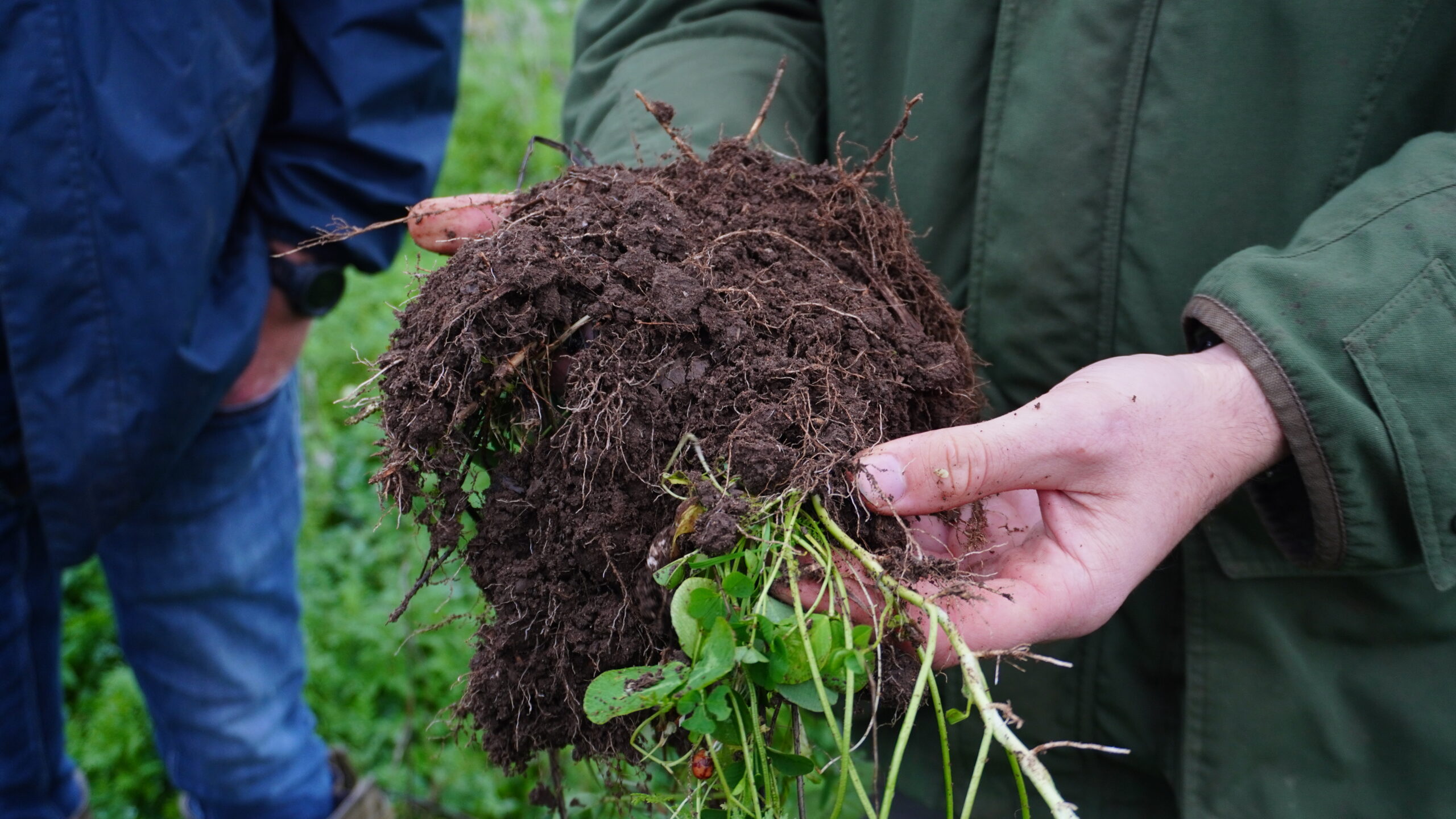
- Invest in Soil Health
- Healthy soils retain water, improve nutrient efficiency, and support strong crops.
- Resilient farms use practices like cover crops, minimal tillage, and organic amendments to maintain structure and fertility.
- Impact: Reduces input costs, prevents erosion, and buffers against drought or heavy rainfall.
- Diversify Income Streams
- Farms that survive shocks often have multiple revenue sources, including arable, livestock, carbon credits, and environmental payments.
- Diversification spreads risk and provides financial stability.
- Integrate Environmental Stewardship
- Protecting watercourses, hedgerows, and habitats is common among resilient farms.
- Participation in SFI, biodiversity net gain, and catchment partnerships helps secure funding while improving environmental outcomes.

- Adopt Technology and Monitoring
- Data-driven decisions are key. Farms use soil sensors, yield monitors, and farm management software to track performance and adapt practices.
- Impact: Timely interventions improve efficiency, reduce waste, and maximise productivity.
- Plan for Extreme Weather
- Resilient farms have contingency plans for floods, droughts, and frost.
- Measures include improved drainage, water storage, diversified rotations, and protective cover crops.
- Collaborate and Learn
- Farms that thrive often share knowledge and resources with neighbours, catchment teams, and advisors.
- Collaboration helps reduce costs, access funding, and implement landscape-scale interventions.
- Monitor Financial and Environmental Performance
- Resilient farms regularly review costs, income, and environmental metrics, linking management practices to outcomes.
- This enables adaptive management and ensures compliance with regulations.
Practical Steps to Apply Lessons on Your Farm
- Review Soil Health – test soils, implement cover crops, reduce compaction, and track organic matter.
- Diversify Income – explore environmental payments, carbon credits, or niche crops.
- Protect Water and Biodiversity – install buffer strips, wetlands, and hedgerows.
- Adopt Technology – use sensors, farm management tools, and monitoring to inform decisions.
- Plan for Weather Extremes – assess flood and drought risks and implement mitigation strategies.
- Engage in Collaboration – join local catchment initiatives or farmer groups to share knowledge and resources.
- Track Progress – set SMART goals for soil, water, and biodiversity, and review annually.

Conclusion
Learning from the most resilient farms provides practical strategies to improve productivity, reduce risk, and enhance sustainability. By focusing on soil health, environmental stewardship, diversification, technology, and collaboration, farmers can build resilience that supports long-term profitability and regulatory compliance.

FAQ: Lessons from Resilient Farms
Q1: What makes a farm resilient?
A: A resilient farm adapts to climate, market, and regulatory changes, maintains soil and water health, diversifies income, and engages in collaborative and data-driven management.
Q2: Can small farms be resilient too?
A: Absolutely. Small farms can adopt key practices like cover crops, hedgerows, and local collaboration to reduce risk and enhance sustainability.
Q3: How do resilient farms manage risk?
A: By diversifying crops and income, planning for extreme weather, and implementing soil and water protection measures.
Q4: Are environmental payments important for resilience?
A: Yes. Programs like SFI, catchment partnerships, and biodiversity credits provide financial support while improving farm sustainability.
Q5: How can I start applying these lessons?
A: Begin by assessing your farm’s strengths and weaknesses, set SMART sustainability goals, and prioritise practical interventions that provide multiple benefits.