
Knowledge Hub
Exchanging on-farm experiences, where farmers discuss both their successes and challenges, is vital for the future of UK farming.
The Farmer Library
A collection of video interviews with farmers sharing their sustainability journeys, successes, and lessons learned. Farmers can discover best practices, and gain real-world insights to enhance their own sustainable farming efforts.

Blogs / Press Releases
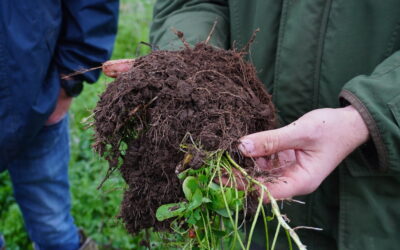
How Are Soil Carbon and Water Quality Linked?
Soil carbon is a key indicator of healthy farmland, but its benefits extend far beyond crop productivity. Increasingly, UK farmers and catchment managers are recognising the link between soil carbon and water quality. By building soil organic matter, farmers can...
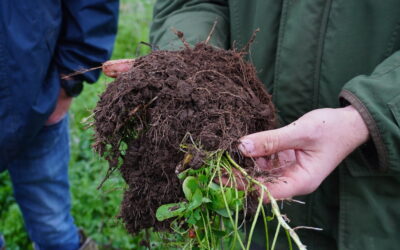
How Have Farms Integrated Carbon and Biodiversity Successfully?
UK farmers are increasingly recognising that carbon storage and biodiversity enhancement can go hand-in-hand. By integrating these practices, farms not only generate additional income through environmental payments and carbon credits but also improve soil health,...
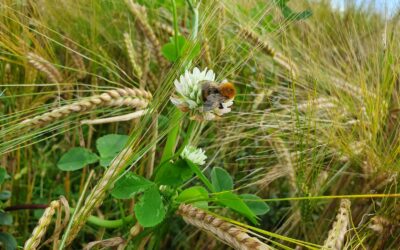
How Do I Value Natural Capital in My Business Plan?
Natural capital - the stock of natural resources such as soil, water, trees, and biodiversity - plays a crucial role in UK farming. Valuing natural capital in your business plan helps demonstrate the economic, environmental, and social benefits of sustainable...

How Can I Plan for a More Profitable, Sustainable Farm in 2026?
As UK farmers look ahead to 2026, combining profitability with sustainability is increasingly important. Planning effectively allows farms to reduce costs, enhance productivity, improve resilience to extreme weather, and take advantage of environmental payments and...
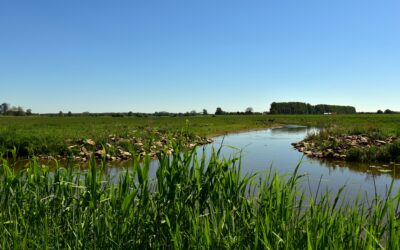
What Simple Field Fixes Save Soil and Water?
Protecting soil and water is a key priority for farmers and land managers. Simple, practical measures in the field can reduce erosion, prevent nutrient loss, and improve overall soil health without major investment. By taking action, farmers can safeguard...
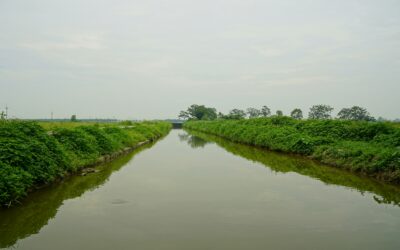
What Are the Water Quality Impacts of Autumn Cultivation vs No-Till?
Farmers face a constant balancing act between crop production and environmental stewardship. One key decision is whether to cultivate fields in the autumn or adopt no-till practices. This choice can significantly affect water quality in surrounding rivers, streams,...
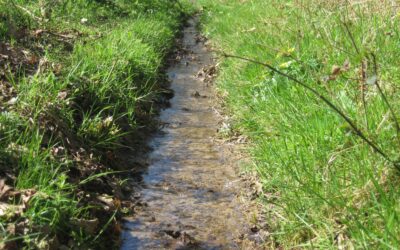
How Have Farms Reduced Sediment Loss in Catchment Areas?
Sediment loss from farmland is a major environmental concern, impacting water quality, aquatic habitats, and downstream infrastructure. Across the UK, farmers are adopting practical measures to reduce sediment runoff, protecting both their soil and local waterways....

How Does Good Soil Structure Prevent Winter Runoff?
As winter rainfall increases, many farms face the challenge of runoff, erosion, and nutrient loss. Good soil structure is one of the most effective natural defences against these risks.Healthy, well-structured soils absorb, store, and slowly release rainfall,...
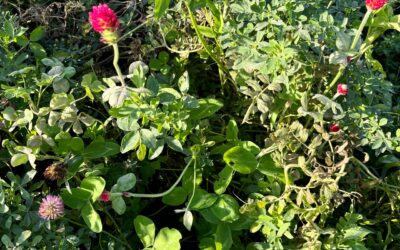
How Do I Establish Winter Cover Crops and What Are the Benefits?
Winter cover crops are a key tool for UK farmers looking to protect soil, improve fertility, and reduce environmental impacts during the off-season. By keeping the soil covered, cover crops can prevent erosion, improve water infiltration, and build organic matter, all...