
With increasing focus on climate change, carbon credits have emerged as a way for farmers to generate income while reducing greenhouse gas emissions. By adopting sustainable land management practices, UK farmers can capture or avoid carbon emissions, earning credits that can be sold to companies seeking to offset their carbon footprint. Understanding how carbon credits work helps farmers make informed decisions and benefit financially from environmental stewardship.
Understanding Carbon Credits
A carbon credit represents one tonne of carbon dioxide equivalent (CO₂e) that has been reduced, avoided, or removed from the atmosphere. Carbon credits can be bought and sold on voluntary or compliance markets:
- Voluntary market: Companies or individuals purchase credits to offset their emissions.
- Compliance market: Governments or regulatory bodies require organisations to meet emission targets, often using credits as part of the system.
For farmers, credits are generated by implementing practices that either store carbon in soils and vegetation or reduce emissions from farm operations.

How Farmers Generate Carbon Credits
- Soil Carbon Sequestration
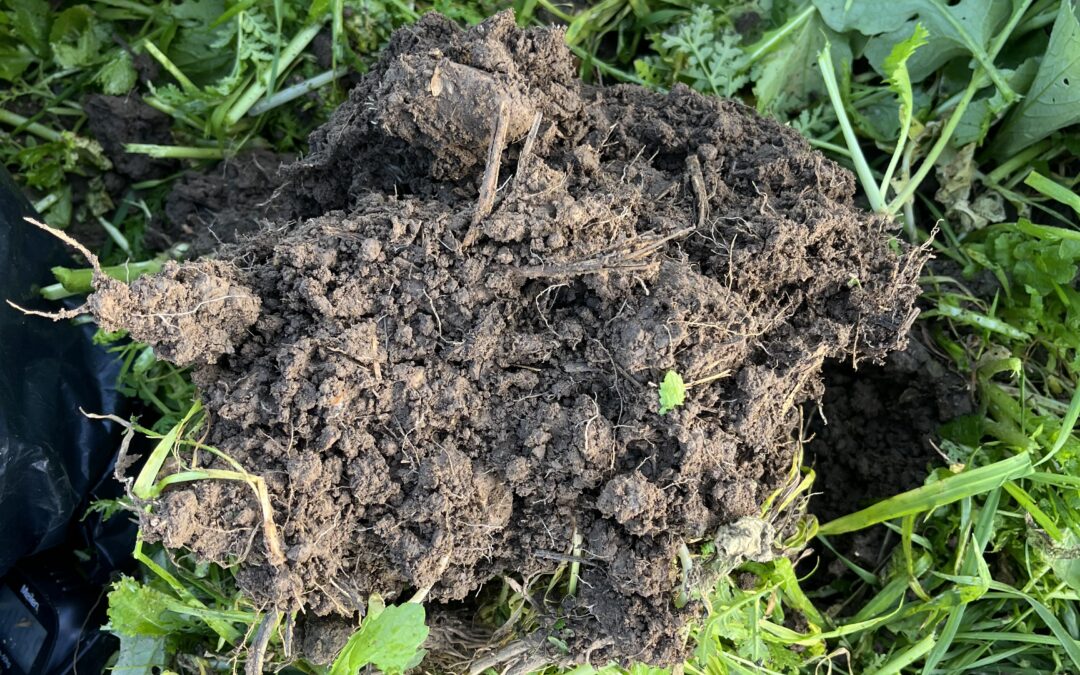
- Practices like cover cropping, reduced tillage, and adding organic matter increase carbon stored in soils.
- Healthy soils capture CO₂ from the atmosphere, which can be quantified and verified for credits.
- Agroforestry and Tree Planting
- Planting hedgerows, shelterbelts, or agroforestry systems sequesters carbon above and below ground.
- Trees also provide biodiversity benefits and wind protection for crops and livestock.
- Improved Livestock Management
- Reducing methane emissions through better feeding strategies or manure management can generate credits.
- Rotational grazing and pasture improvement contribute to soil carbon storage.
- Renewable Energy and Efficiency
- Installing solar panels, anaerobic digesters, or energy-efficient machinery reduces emissions and may qualify for carbon credits.
- Wetland and Habitat Restoration
- Restoring peatlands, wetlands, and other habitats prevents carbon release and can generate credits.

Steps to Participate in Carbon Credit Schemes
- Assess Your Farm
- Identify practices that increase carbon storage or reduce emissions.
- Determine baseline carbon levels to measure improvement.
- Choose a Verified Scheme
- Programmes like Woodland Carbon Code, Soil Carbon Code, or private carbon credit schemes offer verification and trading options.
- Implement Changes
- Adopt the identified practices such as cover crops, tree planting, or energy efficiency improvements.
- Monitor and Verify
- Keep records and allow independent verification to ensure carbon savings are accurately measured.
- Sell Carbon Credits
- Credits can be sold to companies seeking to offset emissions, providing additional income for the farm.
Top 5 Practical Tips for Farmers
- Start with small, achievable changes like cover crops or hedgerow planting.
- Keep detailed records of all soil, crop, and livestock management changes.
- Engage with verified carbon schemes to ensure credits are legitimate and marketable.
- Combine carbon practices with productivity goals to maintain farm profitability.
- Monitor soil health and vegetation regularly to maximise long-term carbon storage.

Conclusion
Carbon credits offer UK farmers an opportunity to earn income while contributing to climate change mitigation. By implementing practices that store carbon, reduce emissions, or restore habitats, farmers can participate in verified schemes and sell credits on voluntary or compliance markets.
Combining environmental stewardship with farm profitability, carbon credits represent a practical way to make farming more sustainable while generating additional revenue.

FAQ: Carbon Credits for Farmers
Q1: Do carbon credits affect farm productivity?
A: Not necessarily. Many practices, like cover cropping or agroforestry, can improve soil health and yields while generating credits.
Q2: How much income can farmers earn from carbon credits?
A: It varies depending on the practice, farm size, and carbon market prices. Small changes can provide modest income, while large-scale tree planting or soil carbon schemes can be more lucrative.
Q3: Are carbon credits complicated to sell?
A: Working with verified schemes simplifies the process. Independent verifiers and market platforms handle measurement, certification, and sales.
Q4: Can livestock farms benefit from carbon credits?
A: Yes. Rotational grazing, improved feed efficiency, manure management, and soil carbon enhancement all offer opportunities.
Q5: How long does it take to generate carbon credits?
A: Some practices, like tree planting, generate credits over years, while soil carbon improvements or methane reduction strategies may deliver measurable results within 1–3 years.
External Resources Worth A Read
- EOS – Carbon credits for farmers
- Climate Farmers – Carbon credits for farmers. What are they and what benefits do they bring?