
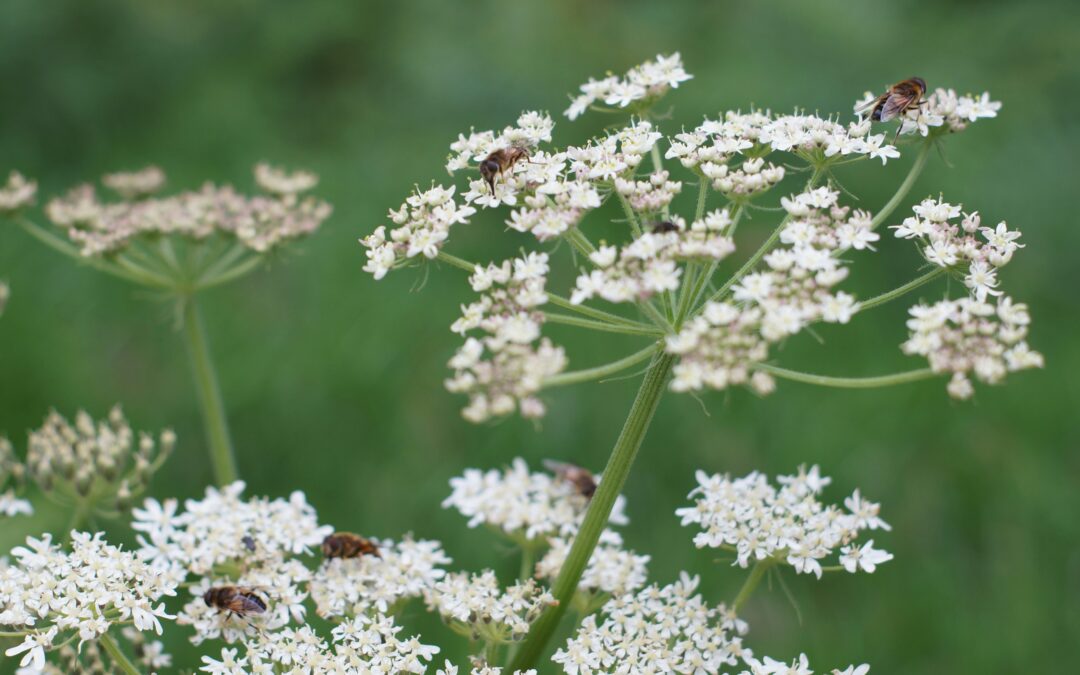
Enhancing biodiversity on your farm not only benefits wildlife and ecosystems but can also improve soil health, water quality, and farm resilience. Funding these projects can help offset costs and make biodiversity improvements financially viable. Fortunately, UK farmers have access to a range of schemes, grants, and initiatives to support habitat creation, restoration, and sustainable land management.
Understanding Biodiversity Funding Options
Biodiversity projects can involve creating hedgerows, ponds, wildflower margins, wetlands, or woodlands. Funding sources can cover:
- Government schemes for environmental stewardship.
- Water company or catchment programmes that protect water quality.
- Carbon or ecosystem service payments for storing carbon or enhancing nature.
- Charitable or NGO grants supporting conservation and habitat restoration.
These schemes often require farmers to deliver measurable outcomes, such as increased habitat area, species presence, or improved soil and water quality.
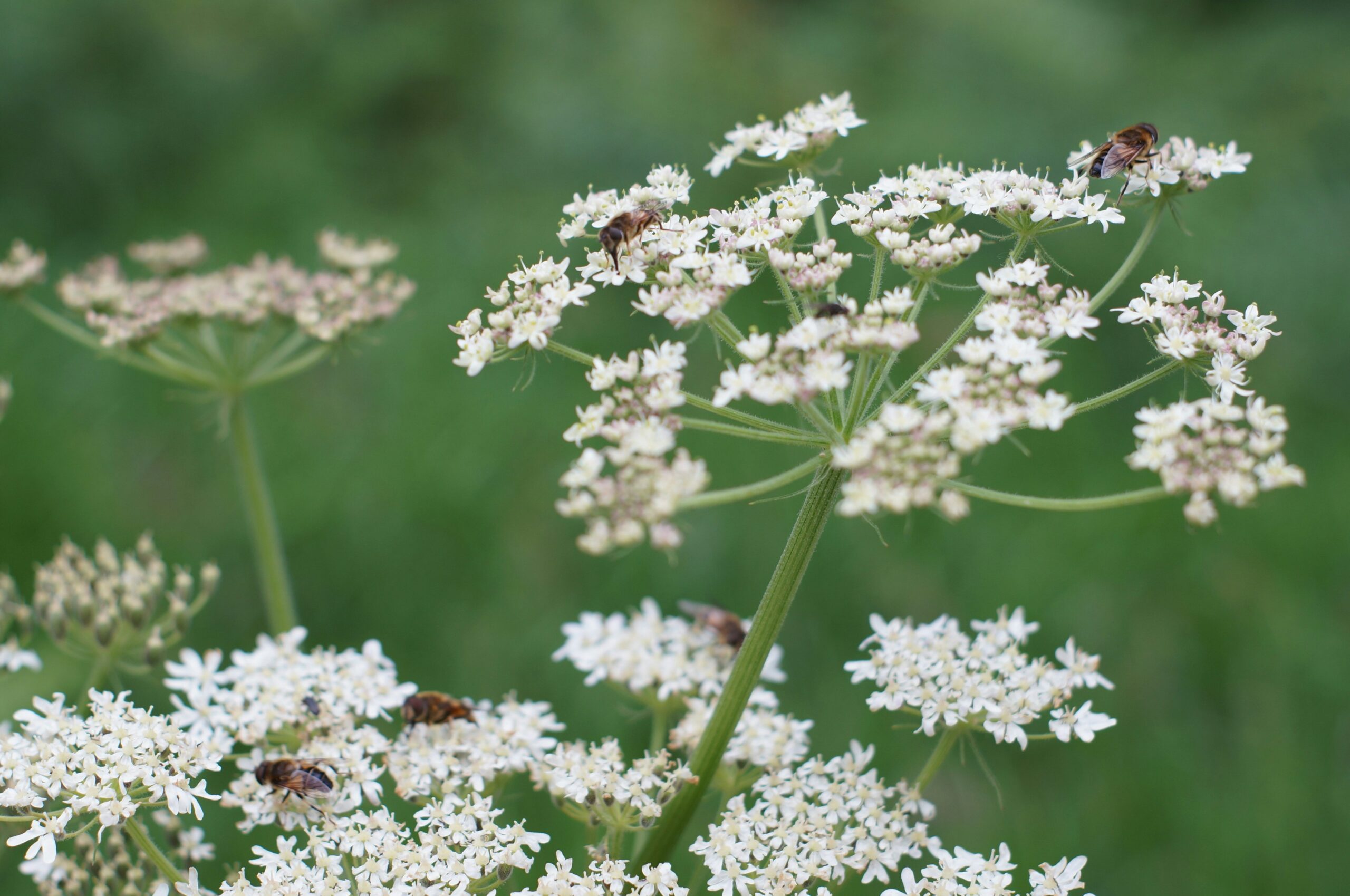
How to Access Funding for Biodiversity Projects
- Agri-Environment Schemes
- Environmental Stewardship or Sustainable Farming Incentive (SFI): Payments for hedgerows, buffer strips, field margins, and habitat management.
- Tailored options may support wetland restoration or wildflower planting.
- Catchment and Water Quality Programmes
- Water companies fund habitat creation to reduce sediment, nutrient, and pesticide runoff.
- Projects often include fencing off watercourses, creating wetlands, or planting riparian buffers.
- Carbon and Ecosystem Services
- Carbon credit schemes may pay for tree planting, agroforestry, or soil carbon improvements that also enhance biodiversity.
- Some biodiversity-focused schemes combine carbon and habitat benefits.
- Charities and NGOs
- Organisations like The Wildlife Trusts or Plantlife offer small grants or support for habitat restoration.
- Community-based funding or partnership projects can provide additional resources.
- Farm-Level Planning
- Map priority areas for biodiversity improvement.
- Match actions to funding requirements and eligibility.
- Integrate biodiversity projects with other farm objectives like water management, soil health, and carbon storage.

Top 5 Quick Tips for Funding Biodiversity Projects
- Check government agri-environment schemes and eligibility for your land type.
- Contact your local catchment or water company programme for advice and potential grants.
- Look for carbon credit opportunities that include biodiversity benefits.
- Explore charitable or NGO funding for habitat restoration and species protection.
- Plan biodiversity actions strategically to deliver multiple benefits (soil, water, carbon) and maximise funding.
Conclusion
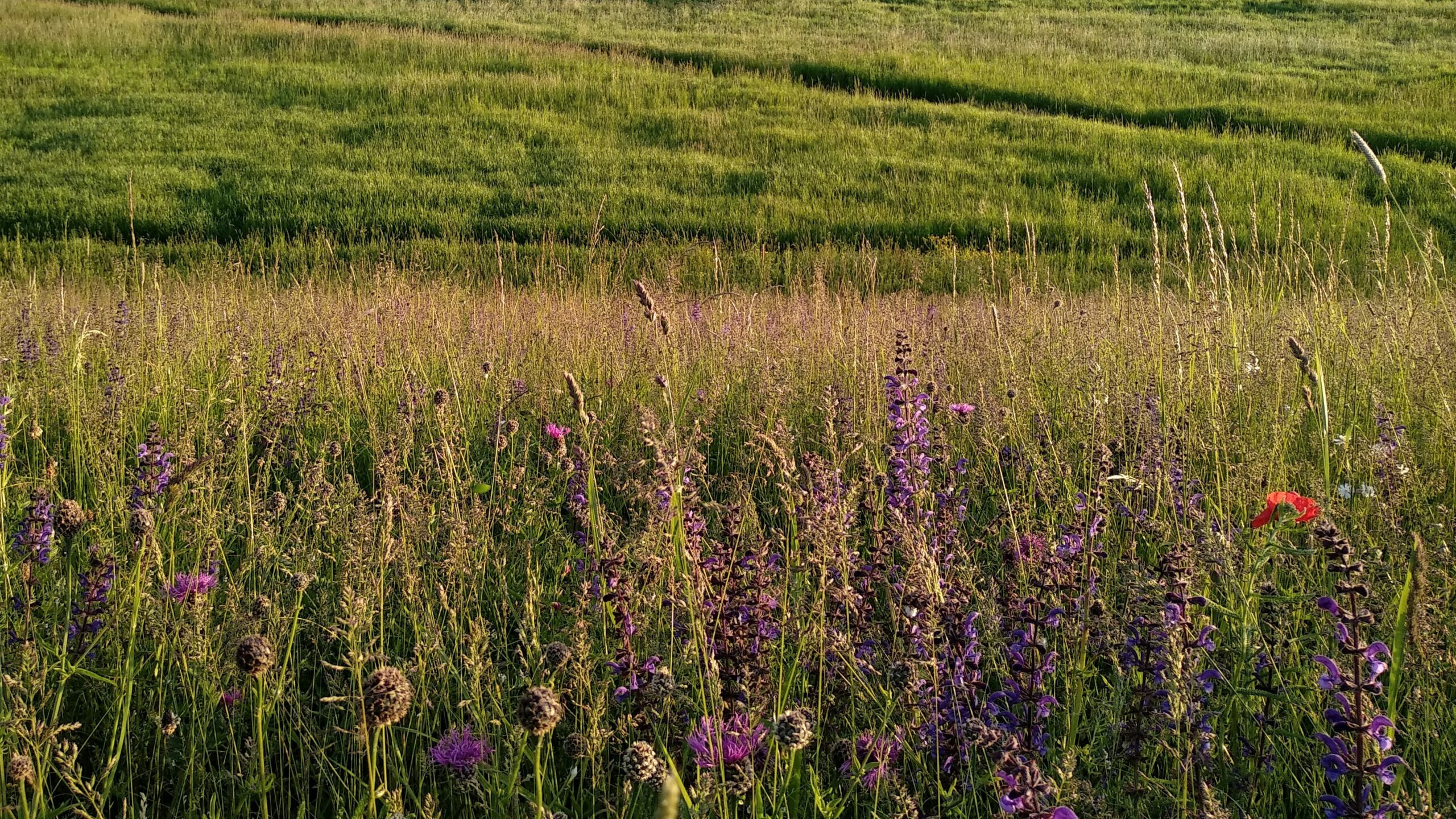
Funding biodiversity projects allows UK farmers to enhance wildlife, improve soil and water health, and increase farm resilience without bearing the full financial burden. By leveraging agri-environment schemes, catchment programmes, carbon markets, and charitable grants, farmers can implement habitat creation and restoration projects that benefit both the environment and their business.
FAQ: Valuing Natural Capital on Farms
Q1: Can I combine different funding sources?
A: Yes, where rules allow. Many farmers combine agri-environment payments with catchment grants or carbon schemes for complementary benefits.
Q2: Do I need to provide evidence to receive funding?
A: Typically, yes. Schemes often require maps, monitoring reports, or photographic evidence of habitat creation and management.
Q3: Are biodiversity projects profitable?
A: While the primary goal is environmental, many projects also improve soil health, water quality, and resilience, and funding can offset establishment costs.
Q4: Can small farms access funding?
A: Yes. Many schemes have options suitable for farms of all sizes, including micro-grants for smaller projects.
Q5: How long does funding last?
A: Payments may be one-off, annual, or multi-year, depending on the scheme and project type. Long-term management may be required to maintain benefits.