
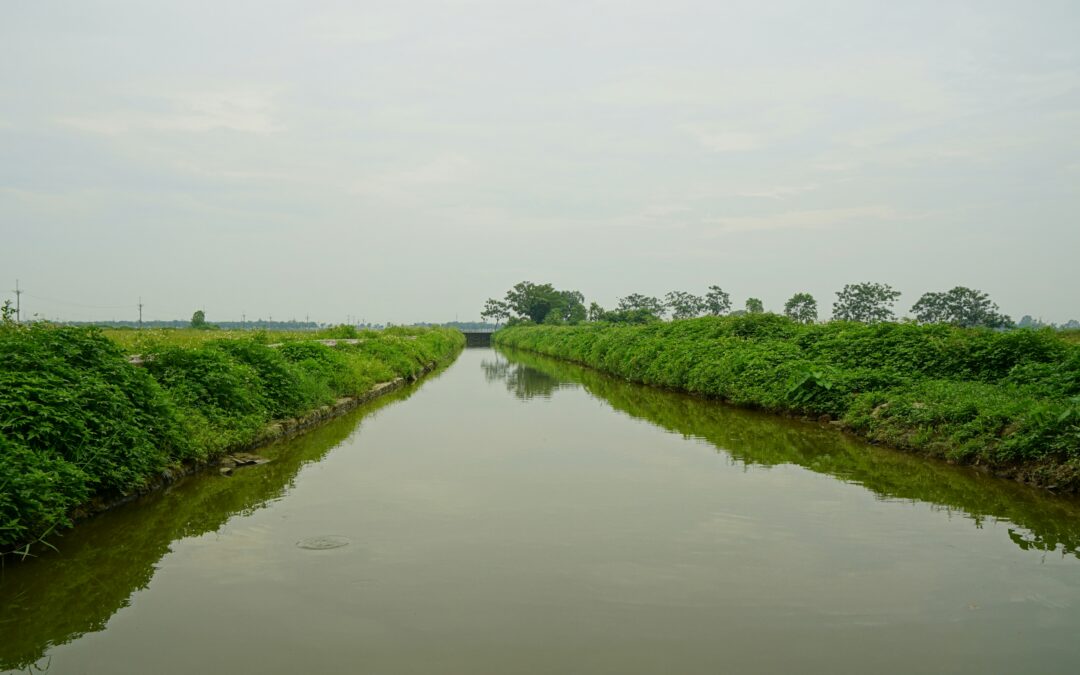
Farmers face a constant balancing act between crop production and environmental stewardship. One key decision is whether to cultivate fields in the autumn or adopt no-till practices. This choice can significantly affect water quality in surrounding rivers, streams, and groundwater. Understanding these impacts helps farmers make informed management decisions that protect both yields and the environment.
Understanding Water Quality Impacts
Water quality can be affected by farming in several ways:
- Soil erosion: Soil washed into watercourses can smother aquatic habitats and carry nutrients or pesticides.
- Nutrient loss: Nitrogen and phosphorus can leach into waterways, causing algal blooms and reducing oxygen levels.
- Chemical leaching: Herbicides and fertilisers applied to bare soil can be carried off in surface runoff or infiltrate into groundwater.
The choice between autumn cultivation and no-till systems directly influences these risks.
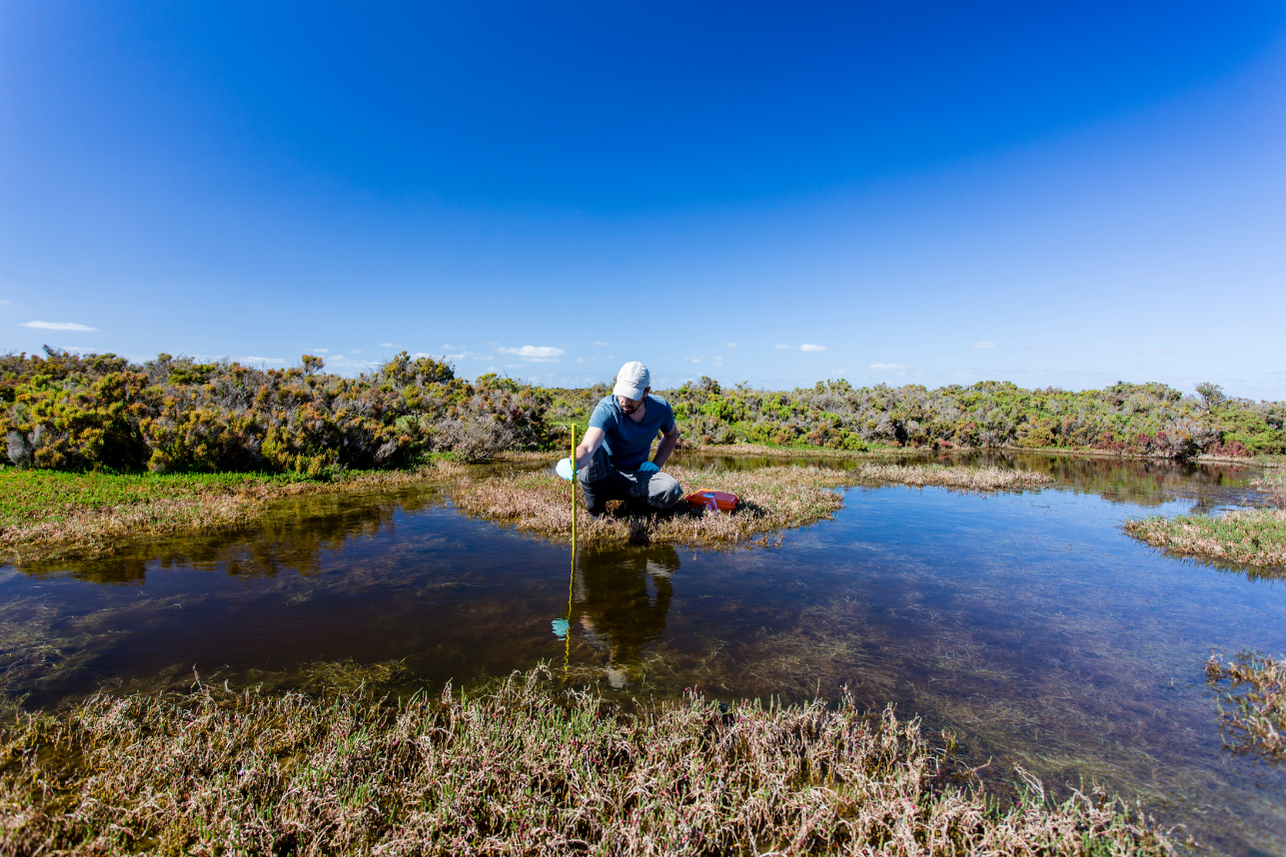
Autumn Cultivation and Water Quality
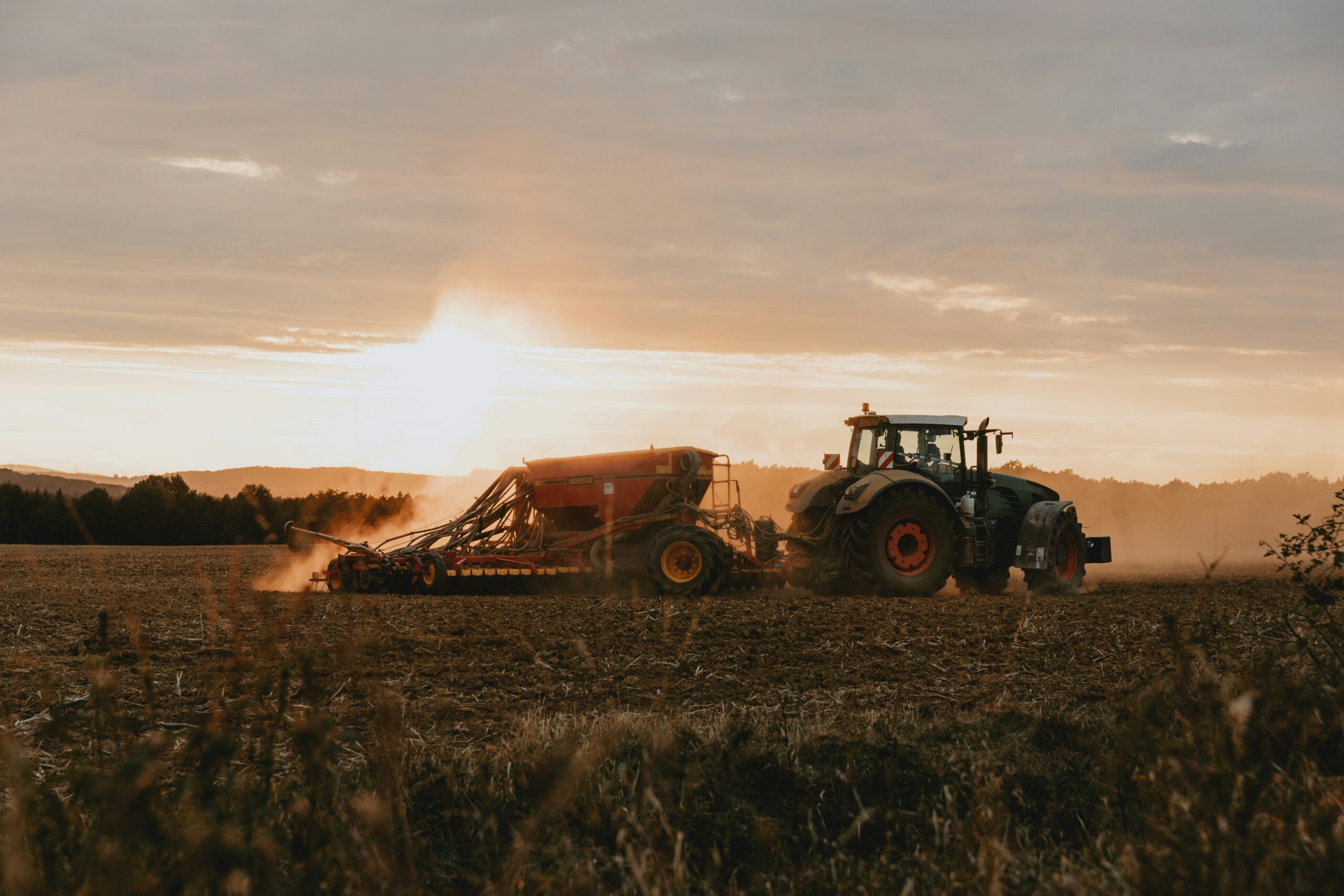
Autumn cultivation involves ploughing or shallow tillage before winter. While it can prepare a seedbed and help manage weeds, it also has some water quality implications:
Impacts on Water Quality
- Increased soil erosion: Bare, tilled soil is highly vulnerable to rain and runoff, particularly on slopes.
- Nutrient loss: Fertilisers or organic matter in tilled soils can be washed away, reducing soil fertility and contaminating watercourses.
- Sediment transport: Exposed soil particles can enter streams, affecting aquatic life and increasing turbidity.
While autumn cultivation has agronomic benefits, it carries a higher risk of sediment and nutrient runoff compared with systems that leave soil undisturbed.
No-Till and Water Quality
No-till farming involves planting crops without turning the soil. Instead, seeds are sown directly into residues from previous crops.
Impacts on Water Quality
- Reduced erosion: Crop residues protect soil from raindrop impact and slow surface runoff.
- Lower nutrient loss: Fertilisers are less likely to be washed away because soil structure and residues reduce water movement.
- Improved soil health: Organic matter builds over time, increasing infiltration and reducing the risk of surface runoff.
No-till systems are widely recognised for improving water quality while also supporting soil health and long-term productivity.
Comparing the Two Systems
|
Factor |
Autumn Cultivation |
No-Till |
|
Soil erosion risk |
High |
Low |
|
Nutrient runoff |
Higher |
Lower |
|
Sediment in watercourses |
Higher |
Lower |
|
Soil structure |
Disturbed |
Maintained |
|
Organic matter build-up |
Slow |
Faster |
While autumn cultivation may give short-term agronomic benefits, no-till practices generally provide superior water quality protection, especially on wetter soils or sloping land.
Practical Tips for Minimising Water Quality Impacts
- Cover crops: Plant over winter to protect bare soil, even after cultivation.
- Buffer strips: Grass or vegetated margins slow runoff and trap sediment.
- Reduced fertiliser on bare soil: Apply nutrients when plants can take them up to minimise leaching.
- Targeted cultivation: Limit tillage to areas where it is agronomically necessary.
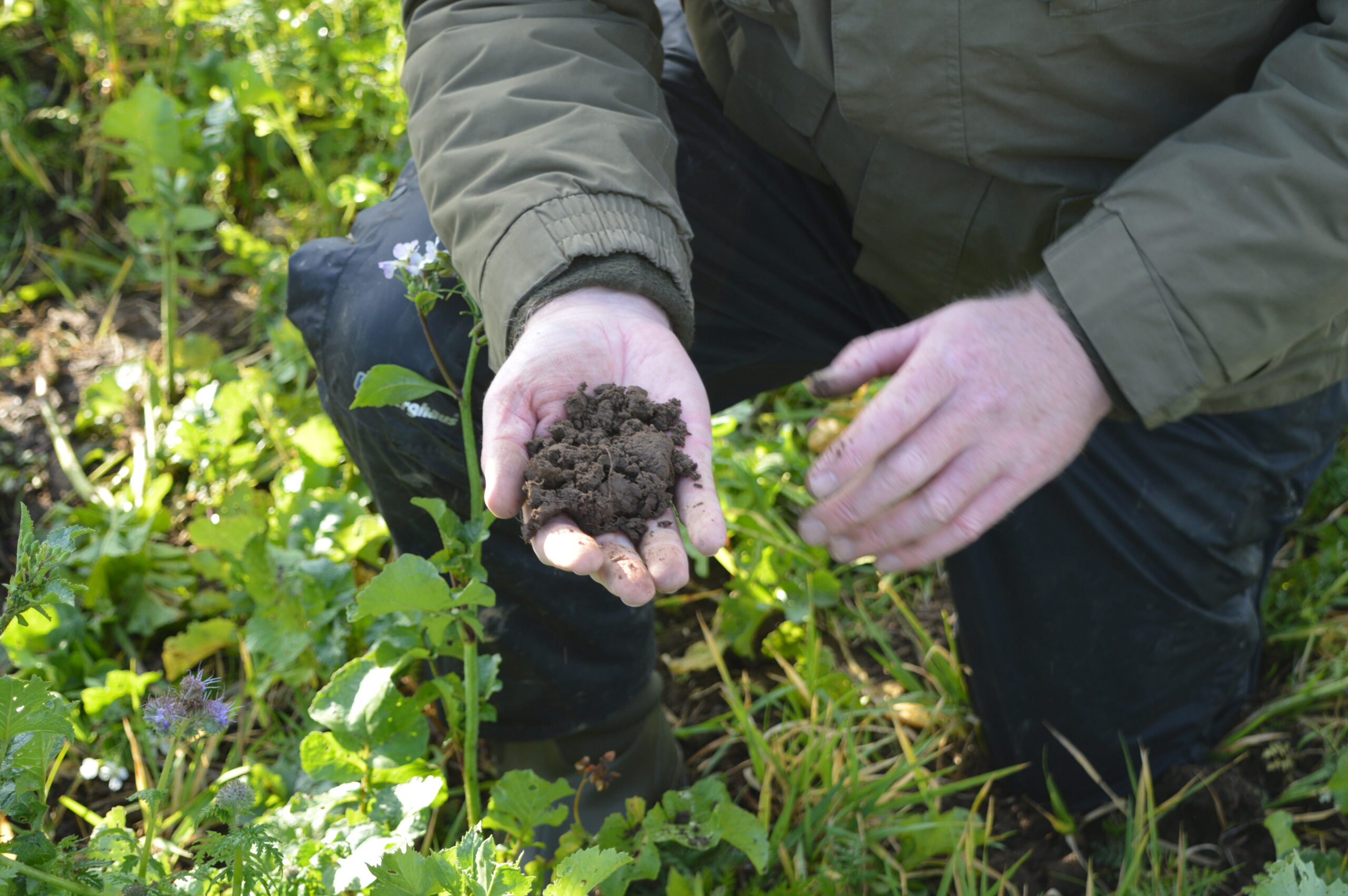
- Soil testing and monitoring: Know nutrient levels and soil structure to make informed decisions.
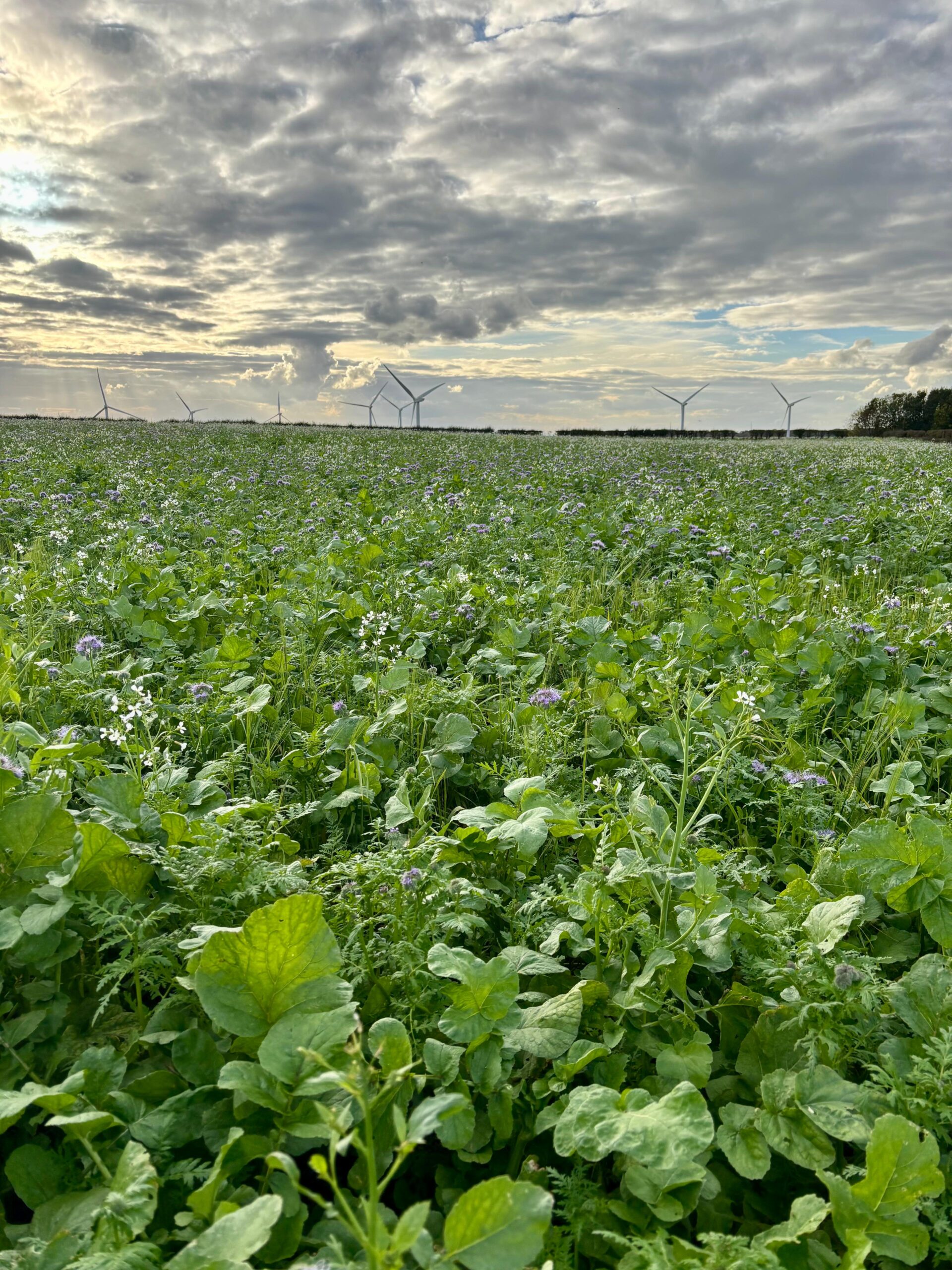
Top 5 Quick Actions for This Winter
- Plant winter cover crops: Rye, clover or vetch will protect soil from rainfall, reduce compaction, and improve organic matter.
- Add organic matter: Apply compost or farmyard manure to bare patches to boost infiltration and soil health.
- Check and maintain drains: Ensure all sub-surface drains and ditches are clear and functional before heavy rain.
- Create grass buffer strips: Plant grass along field edges and lower slopes to trap sediment and slow water flow.
- Avoid machinery on wet soil: Wait for drier conditions to prevent compaction, which increases runoff risk.
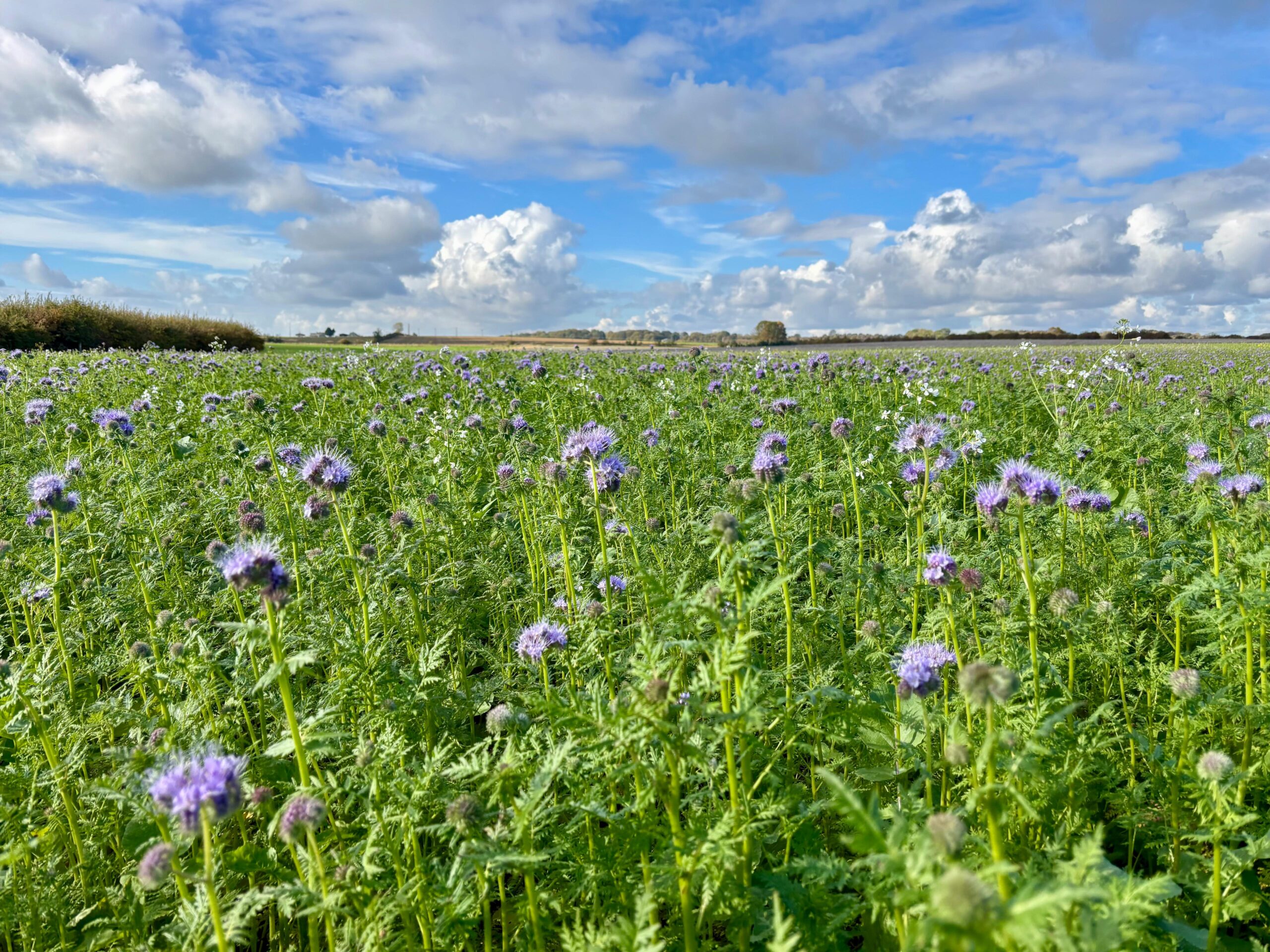
FAQ: Autumn Cultivation vs No-Till
Q1: Does no-till always improve water quality?
A: Generally, yes, because residues protect soil, reduce erosion, and slow runoff. However, correct management of fertiliser and herbicide applications is still important.
Q2: Can autumn cultivation be done without harming water quality?
A: Yes, if combined with cover crops, buffer strips, and careful nutrient management, risks can be reduced.
Q3: What about crop yields?
A: Research shows that yields can be comparable between no-till and conventional systems over time, particularly when soil health is well managed.
Q4: How quickly does no-till improve water quality?
A: Benefits can be seen within a few seasons, particularly in reduced sediment runoff and improved soil structure.
Conclusion
The choice between autumn cultivation and no-till has significant implications for water quality. By using cover crops, implementing buffer strips, managing fertilisers carefully, and adopting no-till practices where possible, farmers can protect waterways, maintain soil health, and ensure long-term productivity.
External Resources Worth A Read
- Farming Advice Service – Water Quality & Farming
- Farmers Weekly – How to Start Improving Water Quality