
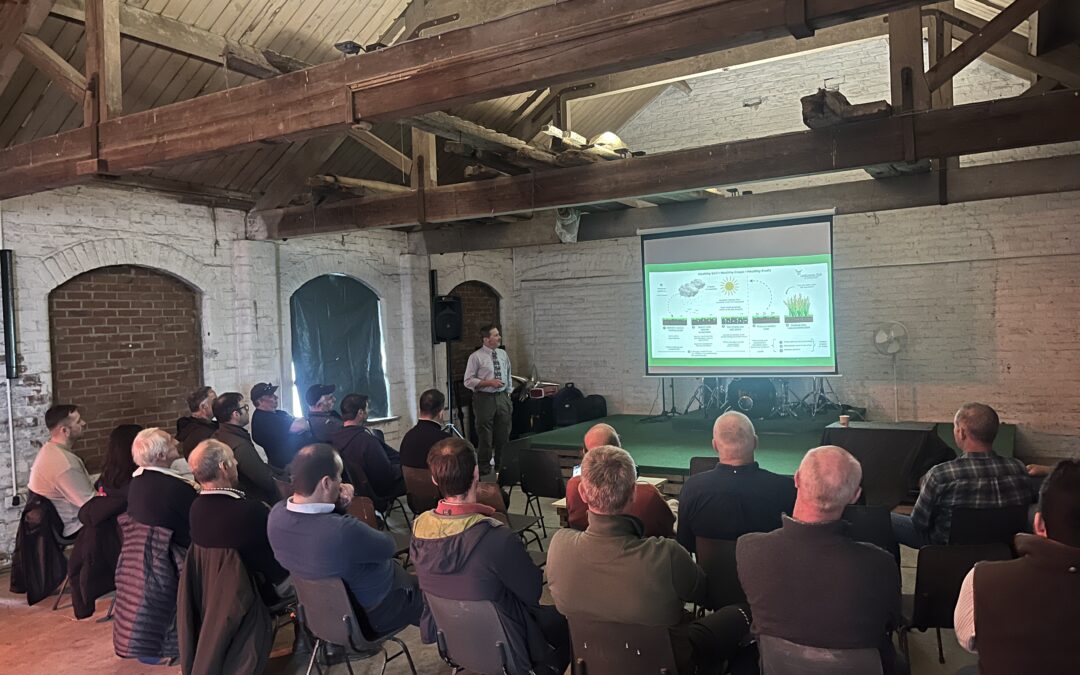
Farmers today are operating in an increasingly complex and uncertain environment. Rising input costs, volatile markets, climate extremes, shifting agricultural policy, and growing environmental expectations are reshaping how food is produced in the UK. Against this backdrop, programmes that support farmers to adapt, innovate, and build resilience are no longer optional — they are essential.
The Sustainable Landscapes Programme, delivered by Future Food Solutions, is designed to meet this moment. By working directly with farmers to trial sustainable farming practices at scale, the programme helps build soil health, reduce reliance on external inputs, strengthen land resilience, enhance biodiversity, share knowledge between farmers, and support long-term farm profitability.
Crucially, the programme is built on long-term regional partnerships. Since 2018, Sustainable Landscapes has been delivered in partnership with Yorkshire Water, engaging farmers across Yorkshire to improve soil health, water quality, biodiversity, and land resilience. This collaborative model has since expanded through partnerships with Anglian Water in North Lincolnshire, and more recently Thames Water in Oxfordshire, extending the programme’s impact across multiple catchments and farming landscapes.
The Challenges Farmers Are Facing
UK farmers are navigating multiple, overlapping challenges:
-
Economic pressure from rising fertiliser, fuel, and input costs, alongside unpredictable commodity prices
-
Environmental stress driven by more frequent droughts, flooding, and extreme weather events
-
Political and policy change, including post-Brexit agricultural reforms, new environmental schemes, and evolving compliance requirements
-
Public and supply-chain expectations around sustainability, biodiversity, and climate action
Adapting to these challenges requires practical support, trusted evidence, and space to trial new approaches without putting farm businesses at undue risk. This is where programmes like Sustainable Landscapes play a critical role.
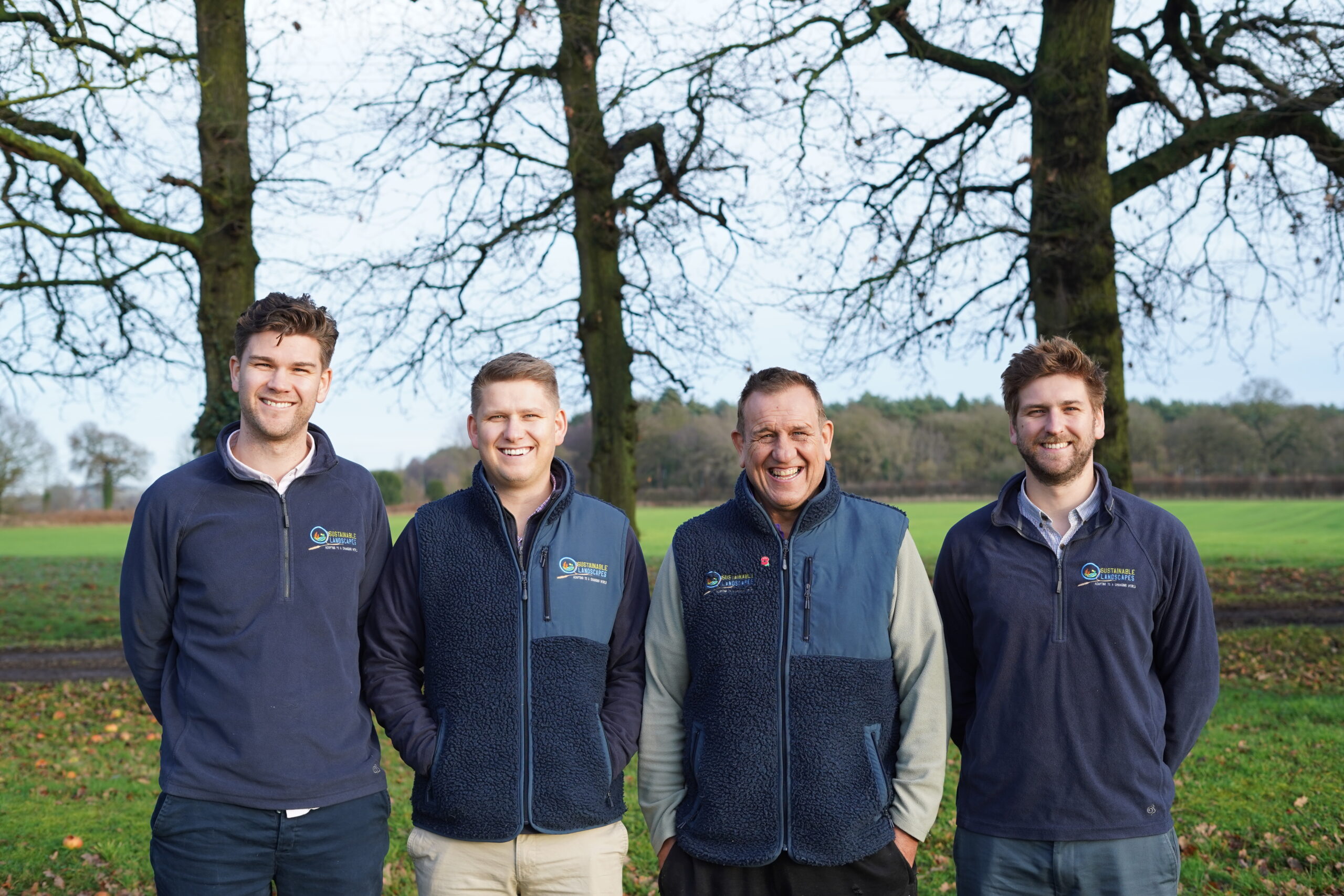
What Is the Sustainable Landscapes Programme?
The Sustainable Landscapes Programme is a collaborative, catchment-based initiative that brings together farmers, agronomic experts, water companies, and supply-chain partners. Its purpose is to support the transition to more sustainable and resilient farming systems through farmer-led trials and shared learning.
Rather than prescribing one-size-fits-all solutions, the programme focuses on real farms, real soils, and real business decisions. It takes a whole-farm and landscape-scale approach, recognising that soil health, water quality, biodiversity, productivity, and profitability are deeply interconnected.
How the Programme Works with Farmers
1. On-Farm Trials That Reduce Risk
Farmers are supported to test sustainable practices such as:
- Cover crops to protect soil, improve structure, increase organic matter, and retain nutrients
- Reduced or minimal tillage to maintain soil health and reduce erosion
- More diverse crop rotations and species mixes to support soil biology and natural nutrient cycling
These trials allow farmers to explore new approaches in a controlled, supported way, helping them make informed decisions before scaling changes across their business.
2. Building Soil Health and Land Resilience
By improving soil structure and increasing organic matter, farmers can:
- Improve water infiltration and retention
- Reduce erosion and nutrient loss
- Build resilience to drought, flooding, and extreme weather
3. Reducing Reliance on Inputs
The programme supports practices that improve natural nutrient efficiency, helping farmers rely more on biological processes and less on synthetic inputs, reducing exposure to volatile markets and rising costs.
4. Enhancing Biodiversity Across Farmed Landscapes
Healthier soils and more diverse cropping systems create better habitats for insects, birds, and soil organisms, supporting ecosystem balance and natural resilience.
5. Sharing Knowledge Between Farmers
Farmers learn from each other through:
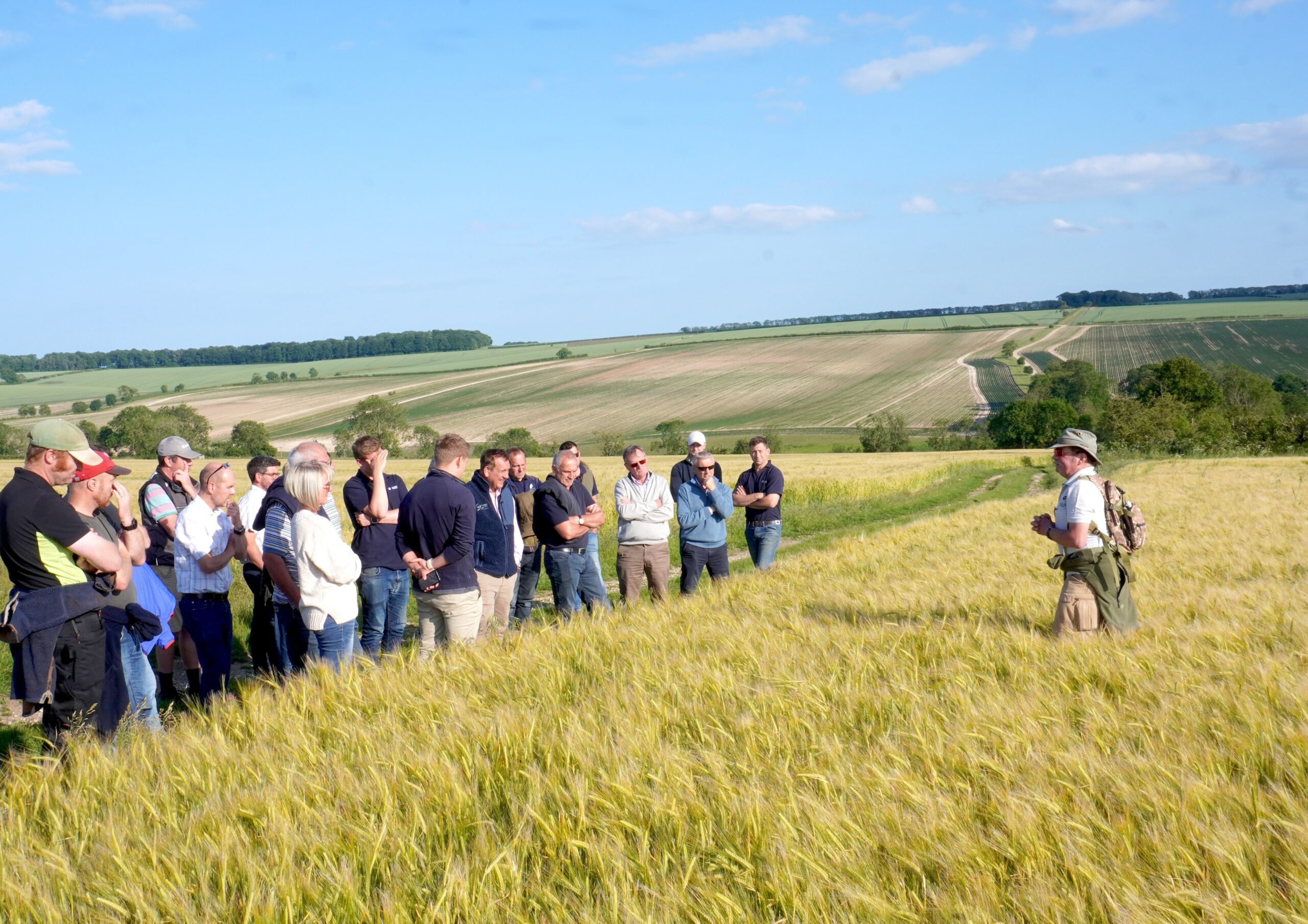
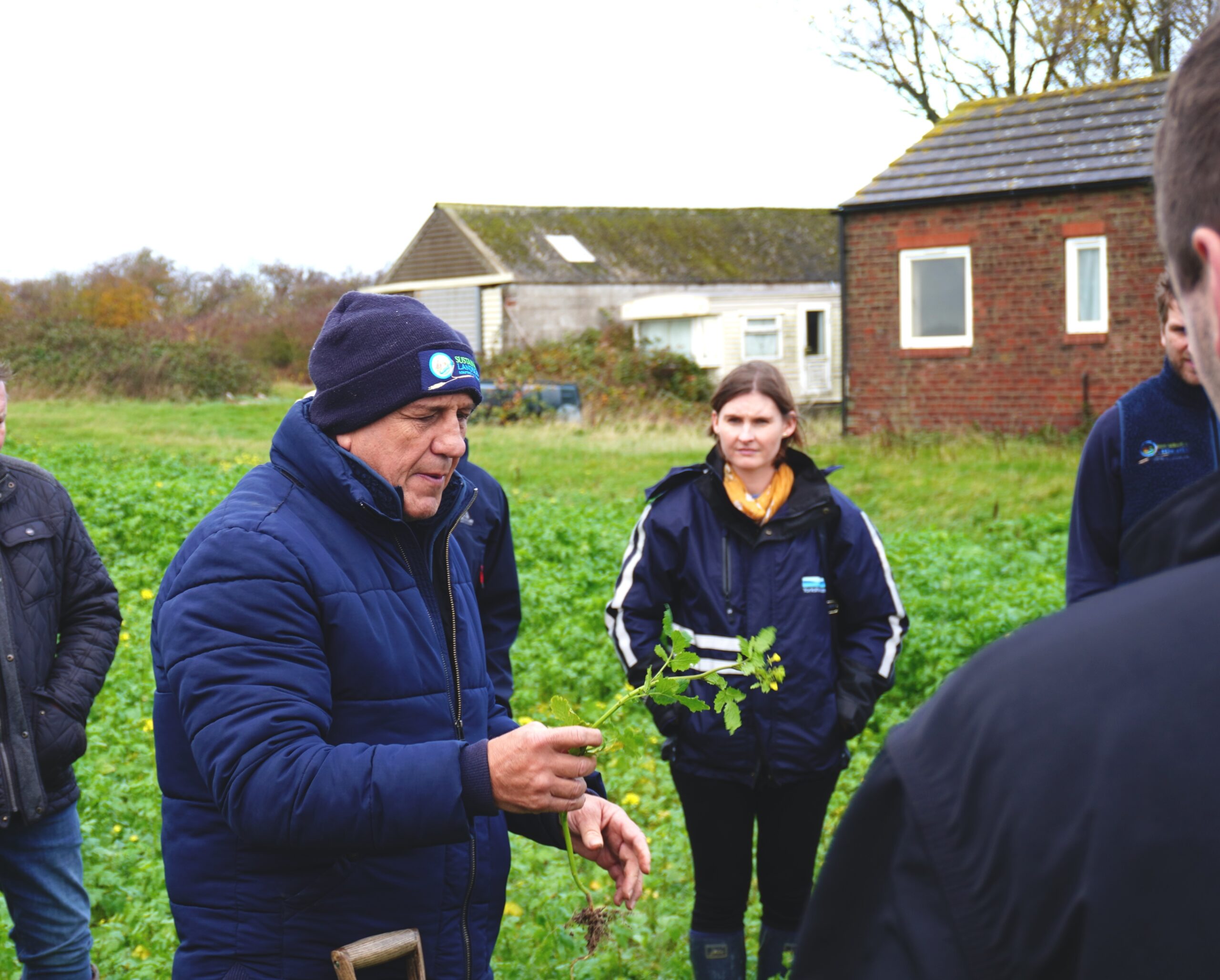
- Farm walks and demonstration events
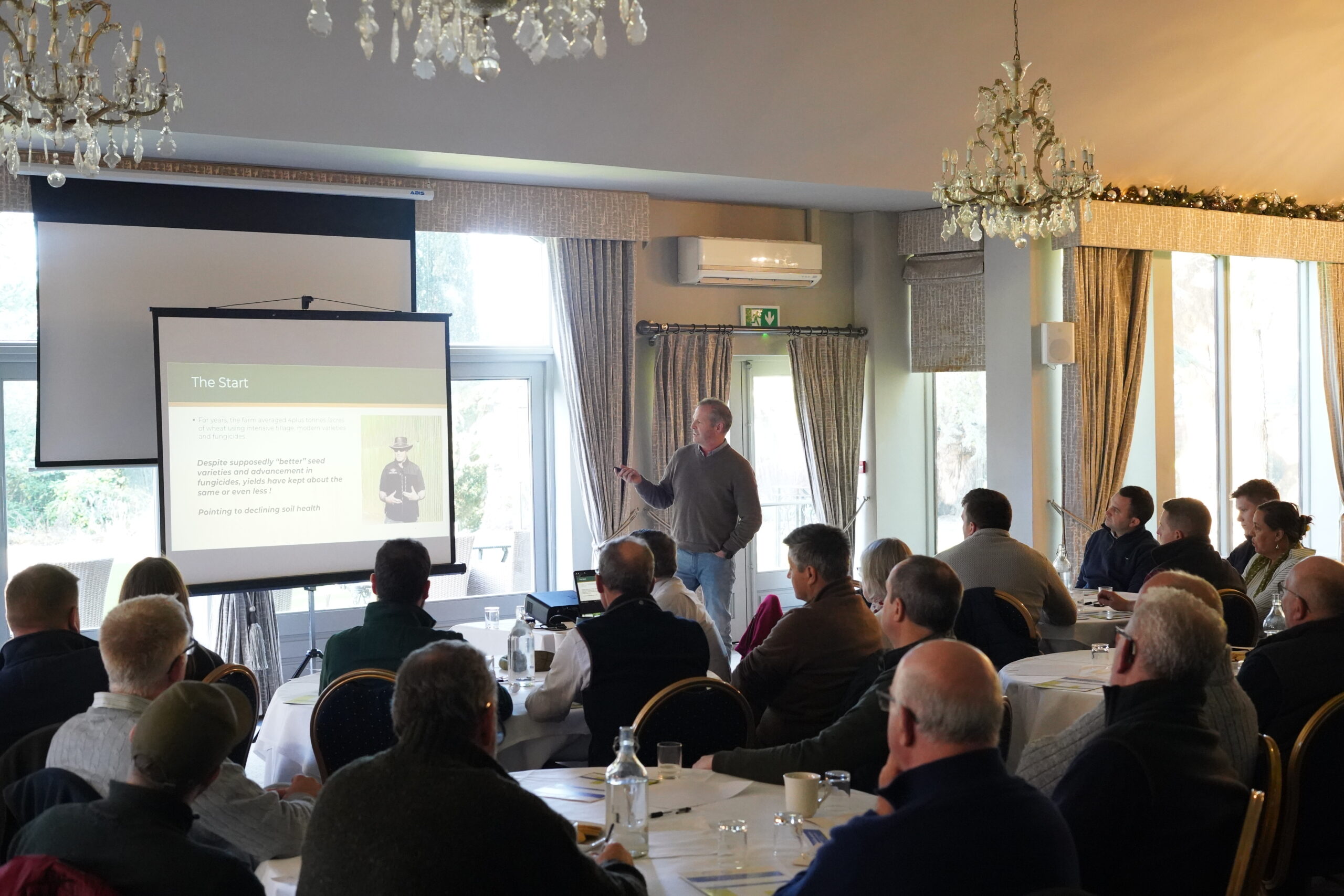
- Workshops and discussion groups
- Case studies and shared learning resources
This peer-to-peer learning builds confidence, spreads innovation, and strengthens farming communities.
6. Supporting Farm Profitability
Sustainability and profitability are treated as connected goals, supporting:
- Reduced input costs
- More stable crop performance
- Long-term productivity and resilience
- Stronger business security
7. Improving Water Quality.
The Sustainable Landscapes Programme plays a key role in improving water quality by supporting farmers to adopt practices that reduce soil erosion, nutrient runoff, and diffuse pollution.
By building healthier soils through cover cropping, reduced tillage, and improved nutrient management, the programme helps keep soil and nutrients in the field and out of rivers, reservoirs, and catchments.
This catchment-based approach benefits both farmers and water companies by protecting water resources at source, reducing the risk of pollution, and supporting cleaner, more resilient water systems over the long term.
Why Programmes Like Sustainable Landscapes Are Essential
As agricultural policy, markets, and climate conditions continue to shift, farmers need trusted partners who understand farming realities and provide practical support. Programmes like Sustainable Landscapes offer:
-
Evidence-based pathways to change
-
Reduced risk through supported trials
-
Long-term partnerships with trusted organisations
-
Independent expertise and collaboration
-
A community of shared learning
They help bridge the gap between policy ambition and on-farm reality
Conclusion
Farmers are facing unprecedented economic, environmental, and political pressures. Navigating these challenges requires more than isolated solutions — it requires long-term, collaborative support systems that work with farmers, not against them.
The Sustainable Landscapes Programme provides exactly this. Through regional partnerships with organisations such as Yorkshire Water, Anglian Water, and Thames Water, the programme supports farmers across Yorkshire, North Lincolnshire, and Oxfordshire to build resilient, profitable, and sustainable farming systems.
By focusing on soil health, land resilience, biodiversity, knowledge sharing, and farm profitability, Sustainable Landscapes is helping shape a future where agriculture can adapt, thrive, and continue to feed the nation — sustainably and securely.
FAQ: Valuing Natural Capital on Farms
- What makes the Sustainable Landscapes Programme different from other initiatives?
It is farmer-led, practical, and based on real on-farm trials, with long-term regional partnerships rather than short-term projects. - Where does the programme operate?
The programme operates across multiple regions, including Yorkshire (with Yorkshire Water since 2018), North Lincolnshire (with Anglian Water), and Oxfordshire (with Thames Water). - Is the programme suitable for all farms?
It primarily supports arable and mixed farms, but its principles apply across many farming systems. - Does sustainable farming reduce yields?
Not necessarily. The focus is on stability, resilience, and long-term performance rather than short-term output alone. - Can sustainable practices improve profitability?
Yes. Reduced inputs, improved efficiency, and greater resilience all support stronger farm businesses over time.