
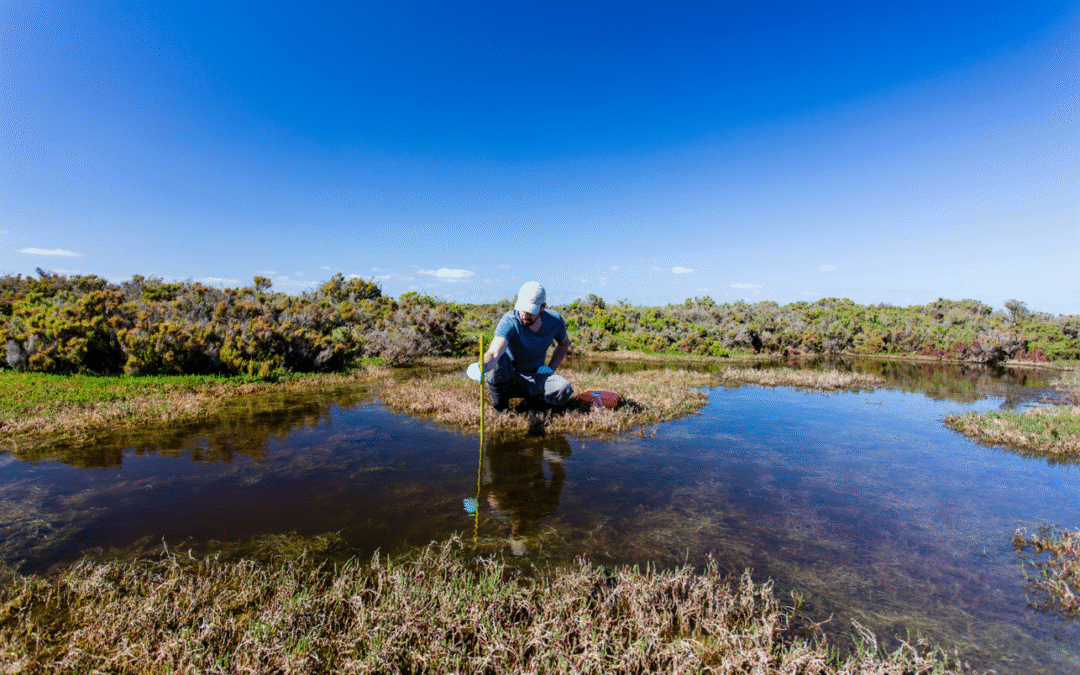
Water quality remains a top priority for UK farmers, with increasing focus on reducing nutrient runoff, improving soil health, and protecting watercourses. As funding schemes evolve, farmers need to understand what support is available, how it can be accessed, and which practices deliver both environmental and financial benefits.
The Current Landscape
In recent years, funding for water quality improvements has grown through schemes such as:
- Sustainable Farming Incentive (SFI) – payments for soil and water-protective measures.
- Catchment Partnership Programmes – grants and advice to reduce pollution.
- Environmental Land Management schemes – supporting hedgerows, buffer strips, wetlands, and other mitigation measures.
- Carbon credit schemes with water benefits – payments for tree planting, wetlands, and soil carbon projects.
These initiatives reward farmers for practical actions that reduce nutrient loss, protect watercourses, and improve biodiversity.

What’s Changing in 2026 and Beyond
- More Targeted SFI Water Modules
- New SFI modules will directly reward water-protective actions, such as buffer strips, fencing livestock from rivers, and wetland creation.
- Focus is on high-risk areas, including vulnerable catchments prone to runoff.
- Catchment-Based Partnerships Expansion
- Government and water companies are increasing collaboration with farmers to deliver catchment-scale improvements.
- This includes funding for monitoring, advisory services, and practical interventions.
- Payments Linked to Environmental Outcomes
- Funding is increasingly results-focused, with eligibility linked to measurable outcomes such as:
- Reduced sediment and nutrient runoff
- Improved water clarity and oxygen levels
- Enhanced riparian habitats
- Integration with Carbon and Biodiversity Schemes
- Many water-focused interventions now count towards multiple funding streams, including carbon credits and biodiversity payments.
- This “stacking” approach maximises financial returns for farmers adopting holistic practices.
- Long-Term Investment Programmes
- Water companies and government bodies are committing to longer-term funding cycles, allowing farmers to plan multi-year projects for maximum impact.
Practical Steps for Farmers to Access Funding
- Identify priority areas on your farm – map watercourses, slopes, and vulnerable fields.
- Engage with catchment teams early – partnerships provide guidance and access to funding.
- Plan integrated measures – combine buffer strips, hedgerows, cover crops, and wetlands to achieve multiple benefits.
- Monitor and document outcomes – water quality improvements and soil health metrics strengthen funding applications.
- Stay informed about scheme updates – SFI modules, environmental grants, and carbon schemes are evolving quickly.

Conclusion
The future of water quality funding in the UK is moving toward targeted, outcome-based, and integrated approaches. By planning early, engaging with catchment partnerships, and implementing practical measures, farmers can access funding, protect watercourses, enhance biodiversity, and even generate carbon credits.
Taking action now ensures farms are resilient, sustainable, and financially supported while safeguarding vital water resources.

FAQ: Water Quality Funding
Q1: What types of funding are available for water quality improvements?
A: SFI payments, catchment partnership grants, environmental land management schemes, and carbon credit programmes.
Q2: Can I combine funding streams?
A: Yes. Many practices, such as hedgerows or wetland creation, can deliver water, biodiversity, and carbon benefits simultaneously.
Q3: Are payments outcome-based?
A: Increasingly, yes. Some schemes reward measurable improvements in water quality, soil health, or habitat creation.
Q4: How do I know if my farm qualifies?
A: Engage with catchment teams, local advisors, or water companies to assess eligibility and priority areas.
Q5: Can small farms access funding?
A: Absolutely. Even small-scale interventions, like buffer strips or fencing livestock from streams, are eligible for support.