

The year 2025 highlighted the importance of resilient farming practices in the UK. Extreme weather events, fluctuating input costs, and regulatory changes reinforced that farms need to be adaptable, sustainable, and financially robust. Lessons from 2025 can guide planning for 2026, helping farmers protect soil, water, biodiversity, and profitability.
Key Lessons on Farm Resilience in 2025
- Soil Health Is Critical
- Farms with healthy, carbon-rich soils coped better with heavy rainfall and drought.
- Practices like cover cropping, reduced tillage, and organic amendments proved effective in maintaining yields and reducing erosion.
- Water Management Matters
- Flooding and runoff risks highlighted the value of proper drainage, buffer strips, and wetlands.
- Farms implementing water-protection measures reduced nutrient and sediment loss, protecting both crops and local watercourses.
- Biodiversity Supports Productivity
- Farms that maintained hedgerows, field margins, and diverse pastures saw better pest control, pollination, and overall ecosystem health.
- Biodiversity-rich systems proved more resilient to extreme weather and market pressures.
- Diversification Builds Financial Resilience
- Mixed farming systems, agroforestry, and integrated environmental schemes provided multiple revenue streams.
- Carbon credits, environmental payments, and sustainable produce premiums helped buffer volatile commodity prices.
- Collaboration and Knowledge Sharing Are Vital
- Farmers engaging with catchment teams, advisors, and peer networks accessed funding, technical support, and timely advice.
- Collaborative approaches allowed for more effective environmental improvements and risk management.

Practical Steps to Strengthen Farm Resilience
- Invest in soil health – cover crops, organic amendments, and reduced tillage increase fertility and water retention.
- Manage water proactively – maintain drainage, buffer strips, and wetlands to reduce flood and runoff risks.
- Enhance biodiversity – plant hedgerows, wildflower margins, and maintain habitats for beneficial wildlife.
- Diversify income – explore carbon credits, agri-environment schemes, and sustainable product premiums.
- Engage with experts – leverage catchment teams, agronomists, and peer networks for advice and support.
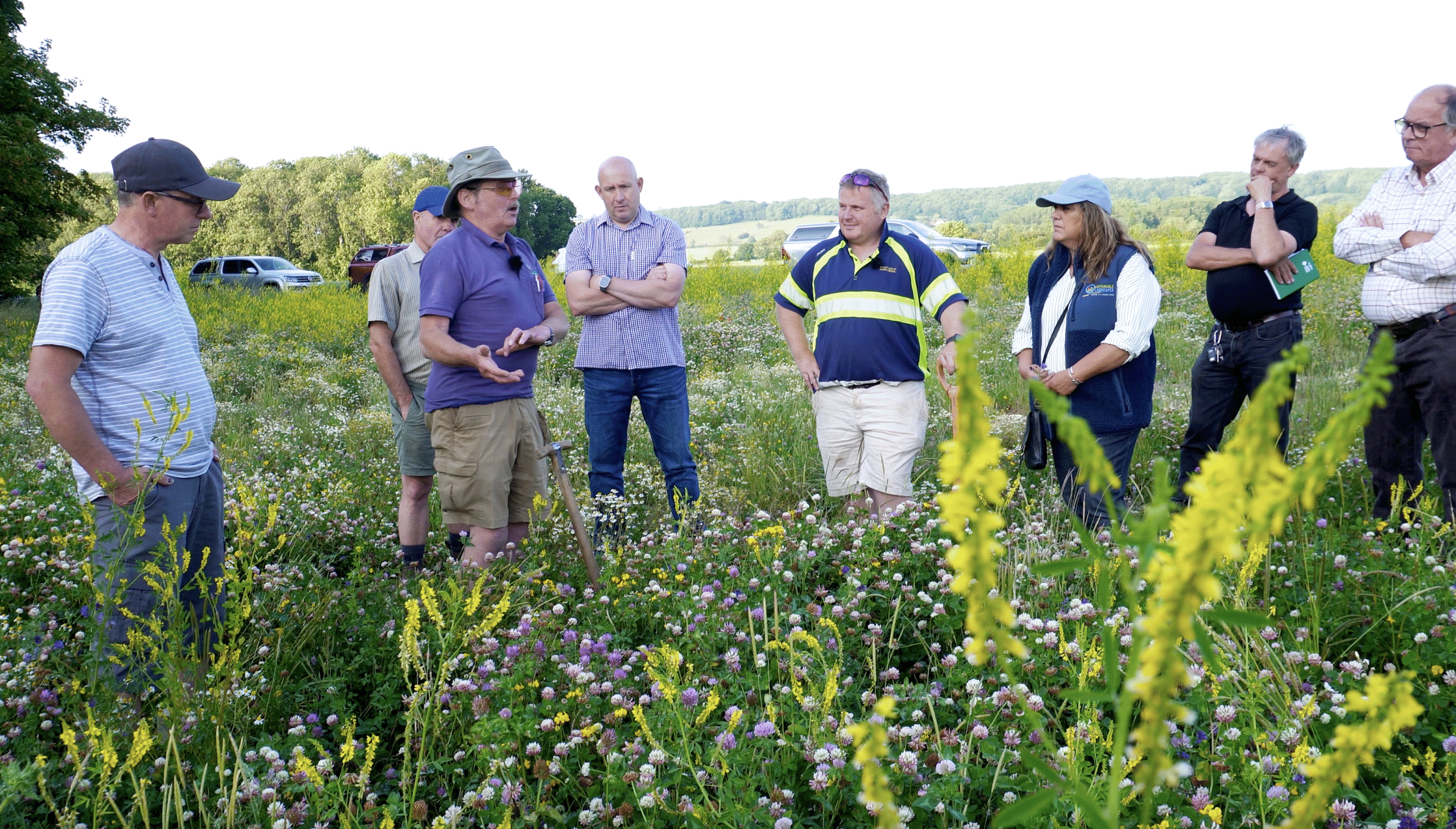
Top 5 Quick Takeaways from 2025
- Healthy soils buffer against extreme weather.
- Water-focused measures protect both crops and watercourses.
- Biodiversity strengthens ecosystem services and farm productivity.
- Diversification improves financial resilience.
- Collaboration unlocks funding, expertise, and practical solutions.

Conclusion
2025 reinforced that resilient farms are profitable, environmentally responsible, and adaptable. By focusing on soil health, water management, biodiversity, diversification, and collaboration, UK farmers can build systems that withstand weather extremes, regulatory changes, and market volatility.
Applying these lessons ensures that farms are better prepared for 2026 and beyond, balancing productivity, profitability, and sustainability.

FAQ: Farm Resilience Insights from 2025
Q1: Why did soil health matter so much in 2025?
A: Farms with carbon-rich, well-structured soils managed heavy rainfall better and maintained productivity during dry periods.
Q2: How did biodiversity support resilience?
A: Biodiverse habitats promoted natural pest control, pollination, and microclimate regulation, helping crops and livestock withstand extreme conditions.
Q3: Were there financial lessons from 2025?
A: Yes. Diversified revenue streams from carbon, biodiversity, and water protection payments helped farms cope with fluctuating commodity prices.
Q4: Can small farms apply these lessons?
A: Absolutely. Even small-scale interventions like hedgerows, cover crops, or buffer strips provide resilience benefits.
Q5: What role did collaboration play?
A: Working with catchment teams, advisors, and peers allowed farms to access funding, technical support, and share best practices effectively.