
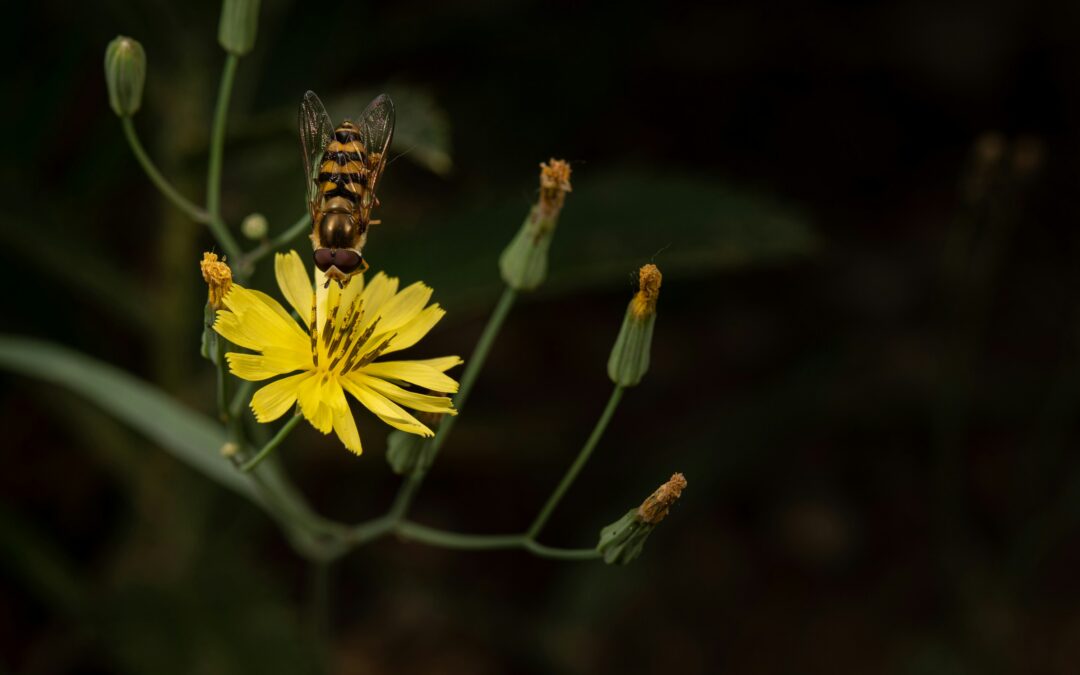
Biodiversity Net Gain (BNG) is an emerging principle in UK agriculture and land management that encourages landowners to leave the natural environment in a better state than they found it. For farmers, BNG isn’t just about conservation—it offers practical benefits for soil, water, crops, livestock, and long-term farm resilience.
Understanding Biodiversity Net Gain
Biodiversity Net Gain refers to improving habitats and ecosystems through development or land management. In practical terms for farmers, this can involve:
- Restoring or creating hedgerows, ponds, and wetlands.
- Planting wildflower margins and diverse cover crops.
- Managing field margins and woodland for wildlife.
The goal is to ensure that any changes to land result in more biodiversity than existed previously, measured through specific metrics.
How Biodiversity Net Gain Benefits Farmers
- Improved Soil Health
- Diverse plant species increase soil organic matter and support beneficial microbes.
- Healthy soils retain water better, reduce erosion, and improve nutrient cycling.
- Enhanced Water Quality
- Hedgerows, buffer strips, and wetlands filter runoff, reducing sediment and nutrient loss.
- Preventing pollution protects local watercourses and helps meet environmental regulations.
- Natural Pest Control and Pollination
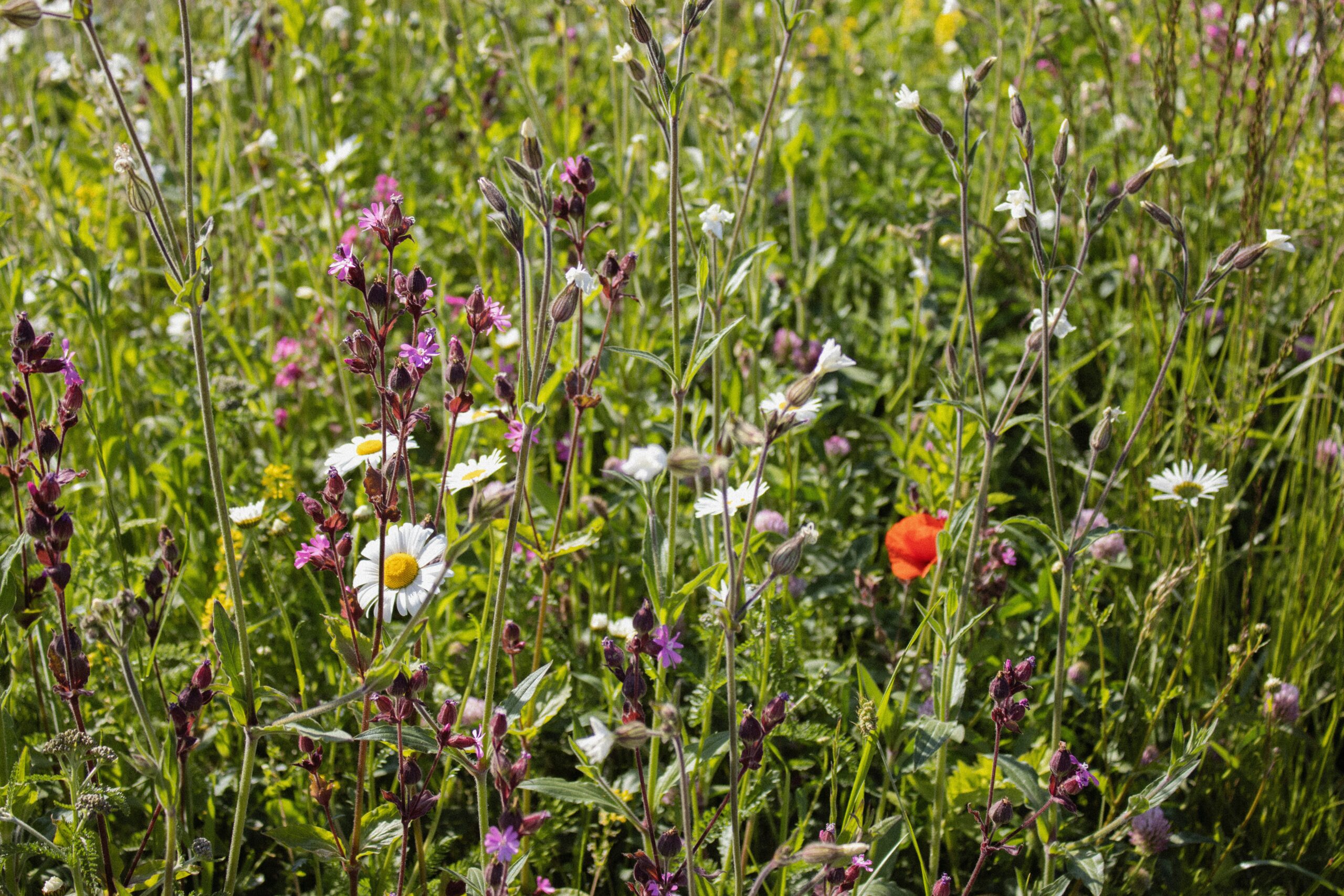
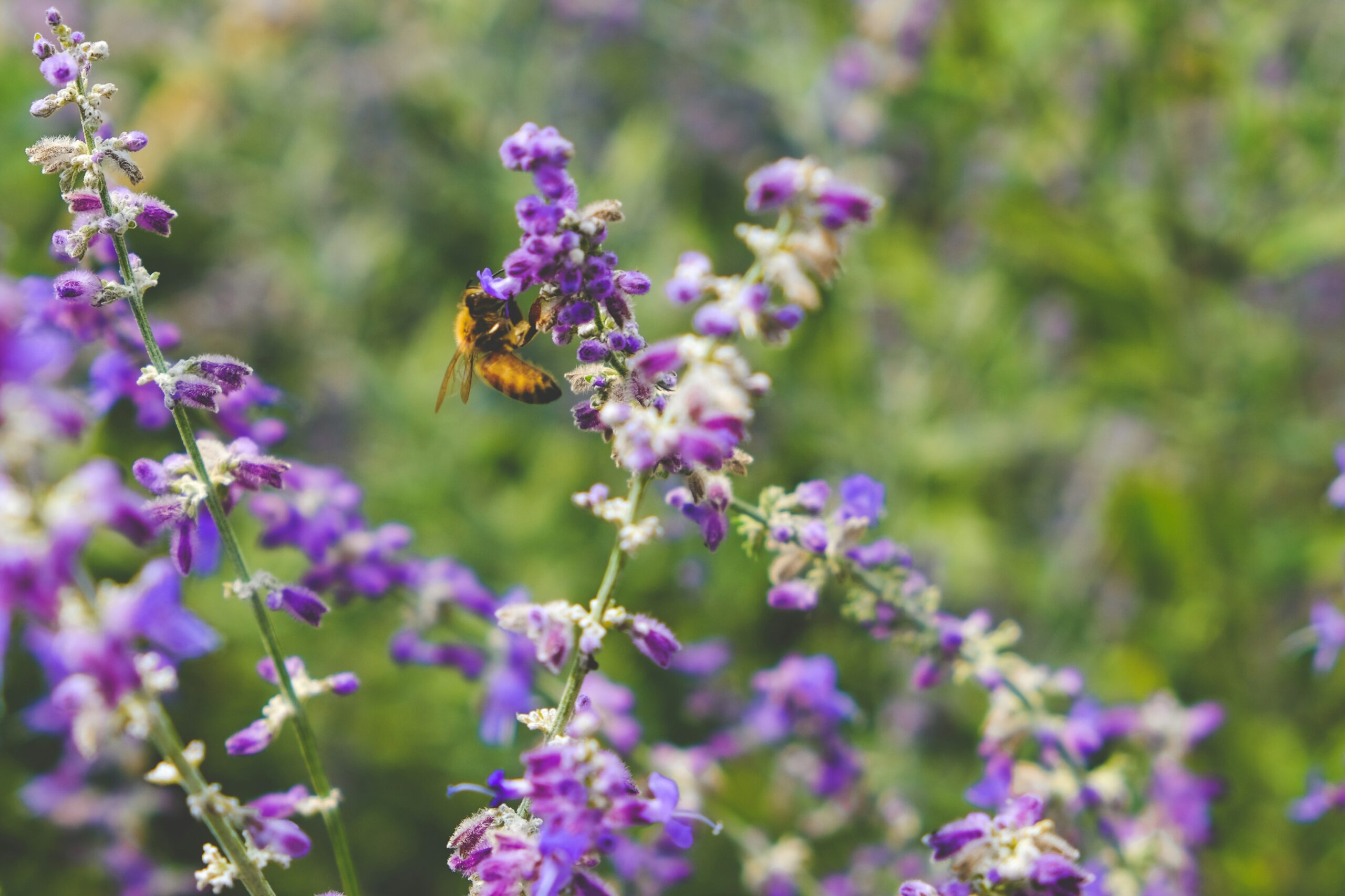
- Flower-rich margins attract pollinators and beneficial insects.
- Predatory insects and birds help control pests, reducing reliance on chemicals.
- Climate Resilience
- Diverse vegetation and habitats help buffer fields against extreme weather.
- Trees, hedges, and wetland areas improve microclimates and reduce flood risk.
- Financial Opportunities
- BNG initiatives may be eligible for government schemes, agri-environment payments, or carbon credit schemes.
- Enhancing biodiversity can increase farm asset value and public reputation.
Practical Steps for Farmers to Achieve Biodiversity Net Gain
- Assess Current Habitats
- Map existing hedgerows, ponds, woodlands, and grass margins.
- Identify areas for improvement or new habitat creation.
- Plan Habitat Enhancements
- Plant native hedgerows or trees along field boundaries.
- Establish wildflower margins or beetle banks in arable fields.
- Restore wetlands or ponds to improve water retention and biodiversity.
- Integrate with Farm Practices
- Combine cover crops, rotational grazing, and organic amendments with biodiversity enhancements.
- Use buffer strips alongside drains and ditches to protect watercourses.
- Monitor and Record
- Track changes in wildlife presence and habitat condition.
- Use evidence to demonstrate BNG achievement and access potential funding.
Top 5 Quick Actions for Farmers
- Plant or enhance hedgerows along field edges.
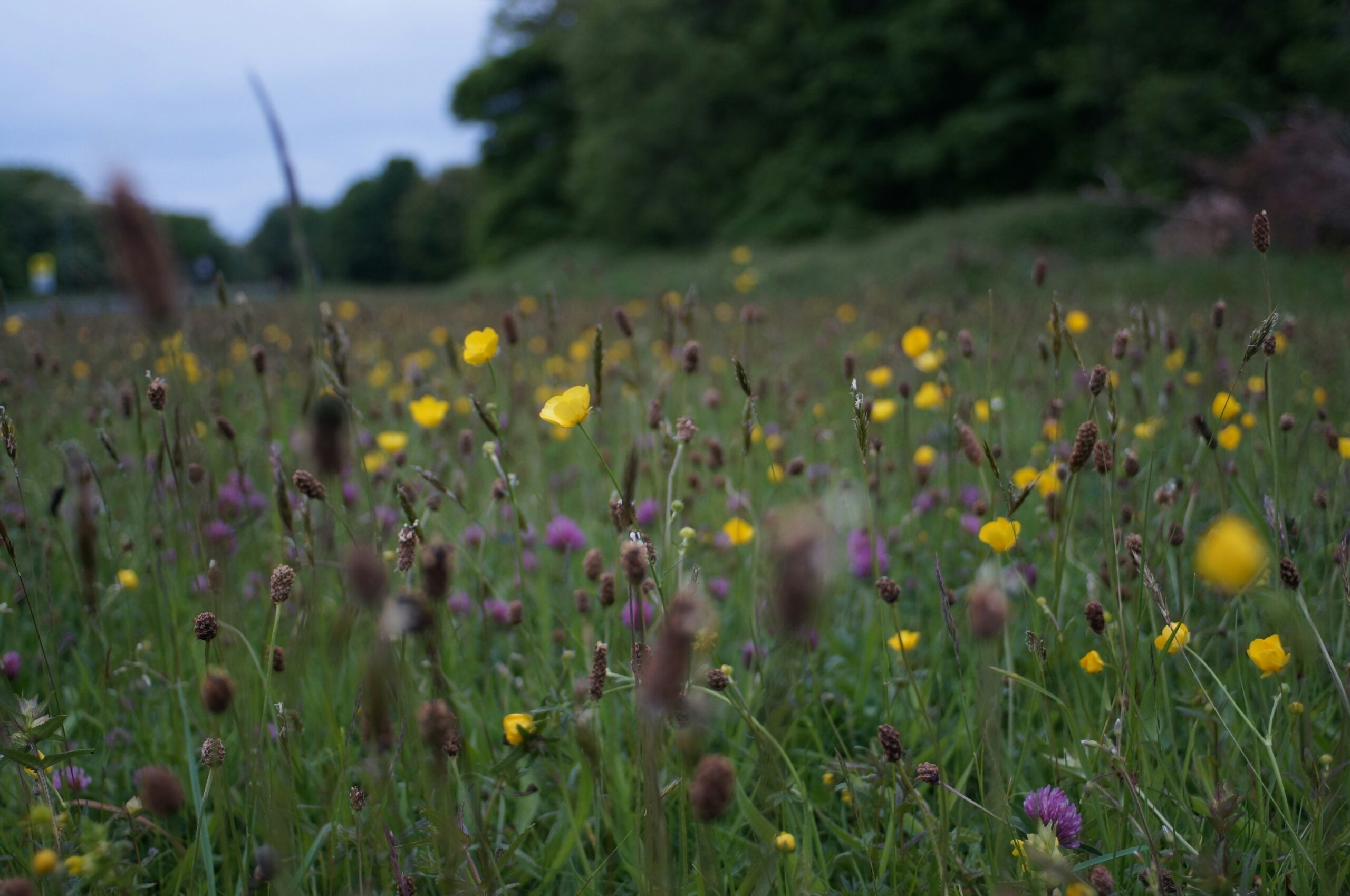
- Establish wildflower margins to attract pollinators and beneficial insects.
- Restore or create small wetlands and ponds for water filtration and habitat.
- Integrate biodiversity measures with soil, cover crop, and grazing management.
- Record and monitor changes to support funding applications and compliance.
Conclusion
Biodiversity Net Gain offers UK farmers a pathway to enhanced soil health, cleaner water, natural pest control, climate resilience, and financial opportunities. By strategically enhancing habitats, integrating biodiversity into farm practices, and monitoring outcomes, farmers can make their land more productive, sustainable, and resilient while contributing to national environmental goals.
FAQ: Biodiversity Net Gain for Farmers
Q1: Is Biodiversity Net Gain legally required?
A: For new developments, yes, BNG is increasingly mandatory. For farmland, it’s voluntary but provides environmental, financial, and regulatory benefits.
Q2: Can BNG reduce farm productivity?
A: Not if planned well. Many measures, like wildflower margins or hedgerows, complement productivity while enhancing soil and ecosystem health.
Q3: How can BNG generate income?
A: Through agri-environment schemes, environmental stewardship payments, or ecosystem service markets such as carbon credits.
Q4: How quickly can benefits be seen?
A: Soil health improvements and water quality benefits can appear within a season; wildlife and habitat benefits may take several years.
Q5: Do I need specialist advice to implement BNG?
A: While basic measures can be implemented independently, advice from agronomists, environmental consultants, or local catchment teams can maximise benefits and ensure compliance with schemes.