

As UK farmers look ahead to 2026, combining profitability with sustainability is increasingly important. Planning effectively allows farms to reduce costs, enhance productivity, improve resilience to extreme weather, and take advantage of environmental payments and carbon markets. A structured approach ensures that both the business and the environment benefit.
Step 1: Review 2025 Performance
- Financial review: Assess costs, revenues, and profits. Identify areas for efficiency gains.
- Environmental review: Evaluate soil health, water management, biodiversity, and carbon storage.
- Operational review: Examine machinery, labour, and workflow efficiency.
Understanding successes and challenges from the past year informs smarter decision-making for 2026.
Step 2: Set Clear Business and Sustainability Goals
- Profit-focused goals: Increase yields, reduce input costs, diversify income streams.
- Sustainability goals: Improve soil health, enhance biodiversity, reduce greenhouse gas emissions, and protect water quality.
- Integrated targets: Look for synergies, e.g., cover crops that improve soil fertility, reduce runoff, and generate carbon credits.
Step 3: Plan Environmental and Operational Investments
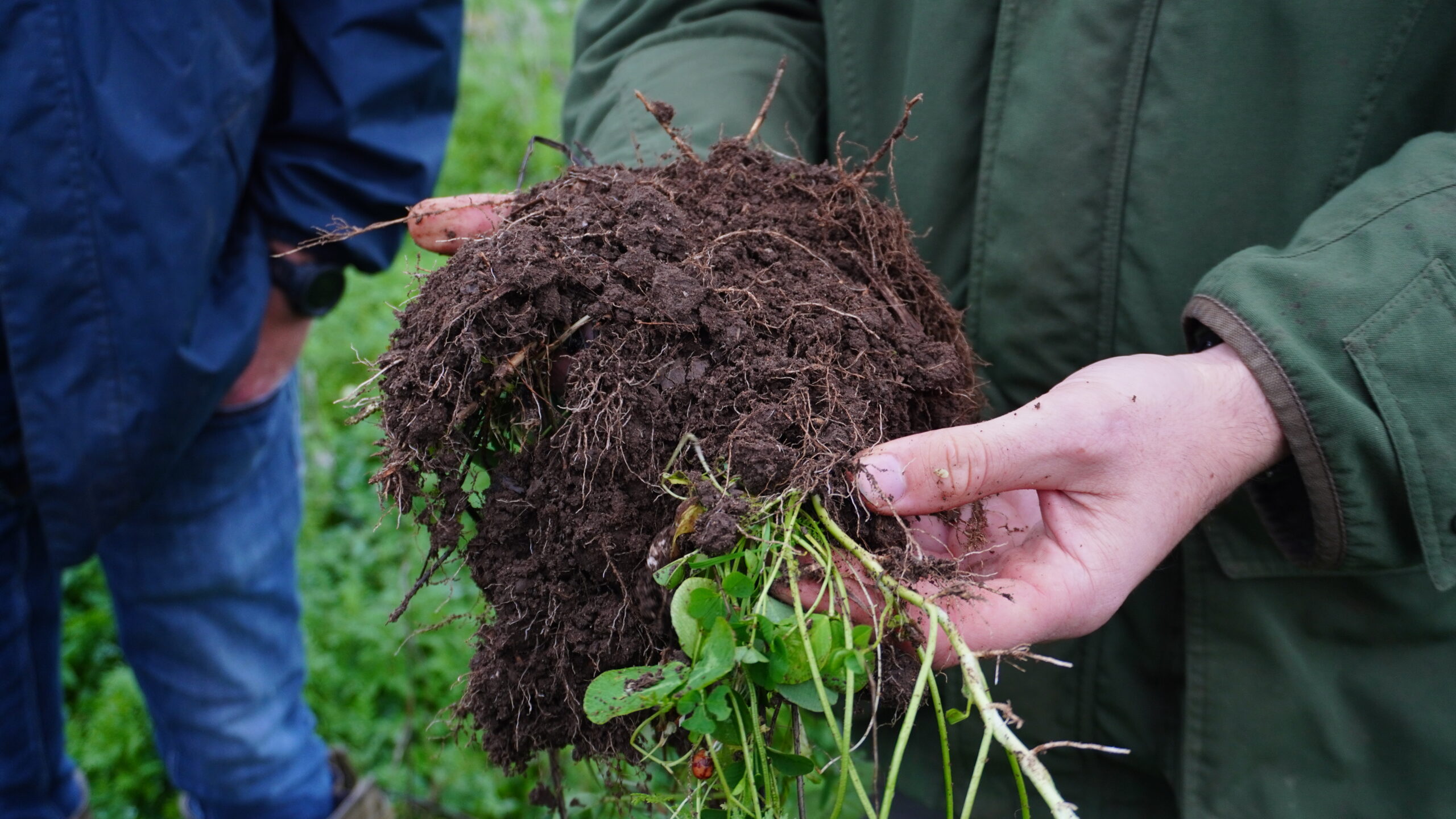
- Soil and water management: Consider cover crops, buffer strips, reduced tillage, and drainage improvements.
- Carbon and biodiversity projects: Tree planting, hedgerows, wetlands, and rotational grazing can deliver environmental and financial benefits.
- Technology and efficiency: Precision agriculture, improved machinery, or automation can reduce input costs and improve productivity.
Step 4: Explore Funding and Payment Opportunities
- Agri-environment schemes: Payments for biodiversity, soil health, and water protection.
- Carbon credits: Monetise practices that store carbon in soils or vegetation.
- Catchment programmes: Water companies often provide grants for sediment and nutrient reduction measures.
- Market incentives: Sustainability certifications can access premium markets or long-term contracts.
Step 5: Build a Monitoring and Review Framework
- Track financial performance alongside environmental metrics such as soil organic matter, water quality, and wildlife indicators.
- Set review points throughout the year to adjust plans based on results, weather conditions, or market changes.
- Use monitoring to demonstrate compliance, access payments, and identify further improvement opportunities.
Top 5 Quick Tips for a Profitable, Sustainable 2026
- Integrate productivity and sustainability – choose actions that deliver both financial and environmental returns.
- Plan for multi-year benefits – soil carbon, tree growth, and biodiversity take time but provide lasting value.
- Leverage payments and incentives – stack environmental schemes, carbon credits, and catchment funding where possible.
- Use data and technology – monitor yields, soil, water, and carbon to make informed decisions.
- Engage advisors and catchment teams – external expertise ensures compliance, optimises outcomes, and identifies funding opportunities.
FAQ: Planning for a Profitable, Sustainable Year
Q1: How much should I invest in sustainability for 2026?
A: Investment depends on your farm’s size, objectives, and available funding. Focus on actions that deliver multiple benefits and align with payments.
Q2: Can environmental practices really improve profitability?
A: Yes. Healthy soils, efficient water management, and carbon or biodiversity payments can reduce costs, improve yields, and generate additional income.
Q3: How do I balance short-term profits with long-term sustainability?
A: Prioritise interventions that deliver immediate financial benefits while building resilience and ecosystem services for the future.
Q4: Which monitoring metrics should I track?
A: Soil health, water quality, carbon storage, biodiversity indicators, yields, and input costs.
Q5: Can small farms adopt these strategies?
A: Absolutely. Even small-scale measures like cover crops, hedgerows, or buffer strips can generate tangible environmental and financial benefits.
Conclusion
Planning for a profitable, sustainable 2026 requires integrating business performance with environmental stewardship. By reviewing past results, setting clear goals, investing strategically, leveraging funding, and monitoring outcomes, UK farmers can improve resilience, productivity, and income while protecting the environment.
A well-structured plan ensures that profitability and sustainability go hand-in-hand, setting the farm up for long-term success in an increasingly environmentally-conscious market.
External Resources Worth A Read
- Farm Progress – A farmer’s guide to success in 2026
- Yorkshire Water – Catchment Management
- GOV.UK – Funding for farmers, growers and land managers