
Sustainable Landscapes in partnership with
Yorkshire Water

Building more resilient landscapes across Yorkshire, supporting farm profitability, and protecting local water quality.
Sustainable Practices That Deliver Co-benefits for farmers and utilies companies.
Since 2018, the Sustainable Landscapes programme – delivered in partnership with Yorkshire Water – has brought together forward thinking farmers from across Yorkshire to explore practices that enhance soil health, improve water quality, reduce emissions, and sequester carbon, all while supporting farm profitability.
The programme includes regular events throughout the year, bringing local farmers together for knowledge sharing, expert speakers, farm walks, and travel to learn opportunities.
Through a farmer-first ethos, the programme creates win-win opportunities to trial practical on-farm measures and test new technologies designed to address real farming challenges.
The programme has expand across Yorkshire to involve over 300 farmers across the region, covering 80,000 hectares (250,000 acres) of farmland, 20% of the region’s arable land.
Learn from fellow farmers and industry experts, and apply new practices directly on your farm to support farm profitability.
Meet some of our farmers
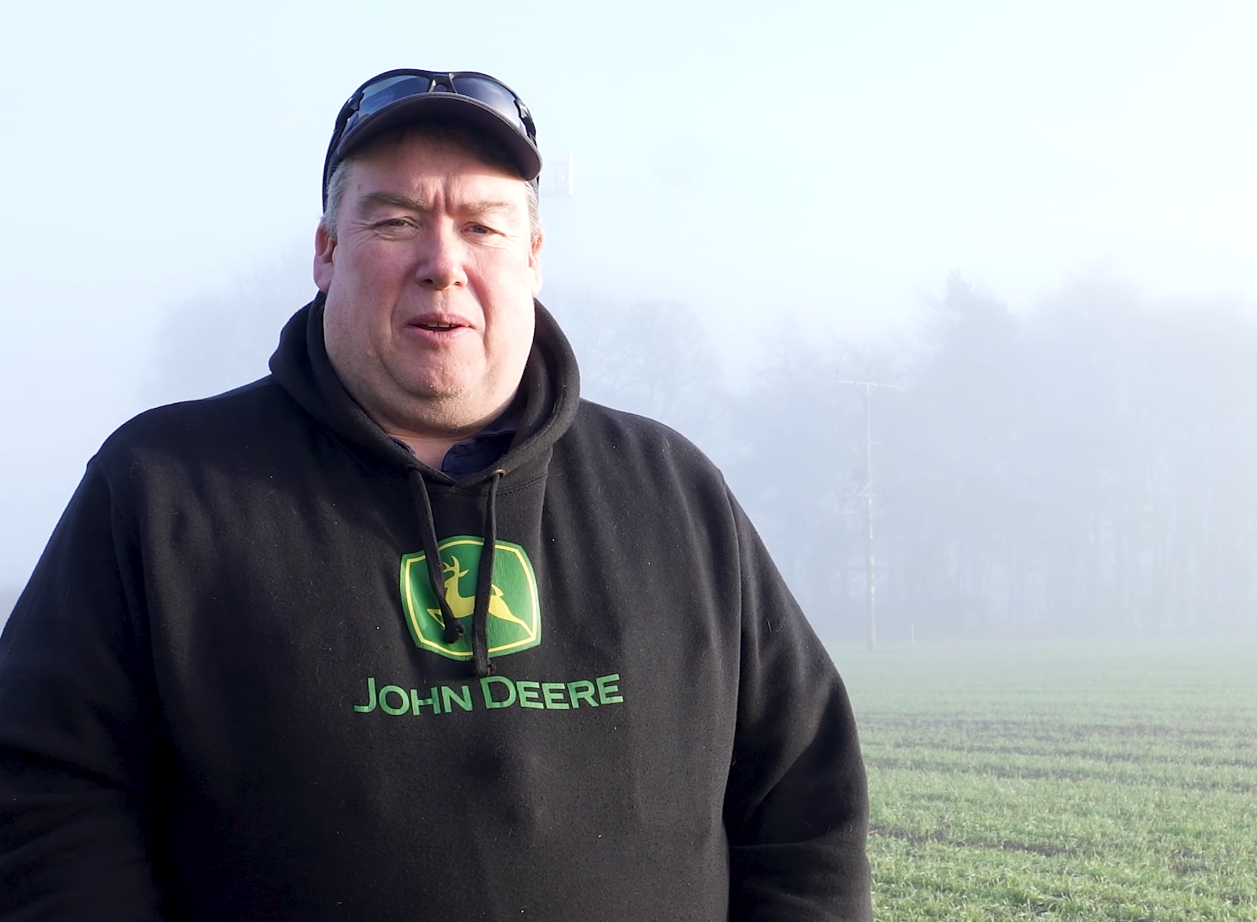
Graham Potter
W. Potter & Sons
Read Bio
Graham Potter, of The Grange Farm near Thirsk, North Yorkshire, is a lead farmer in the Sustainable Landscapes programme. Drawing on experience gained farming in Australia, he has pioneered precision farming and introduced the ‘Potter mix’ cover crops to improve soil health, build organic matter, and optimise inputs. His integrated, sustainable approach demonstrates how modern arable farming can be both productive and environmentally responsible
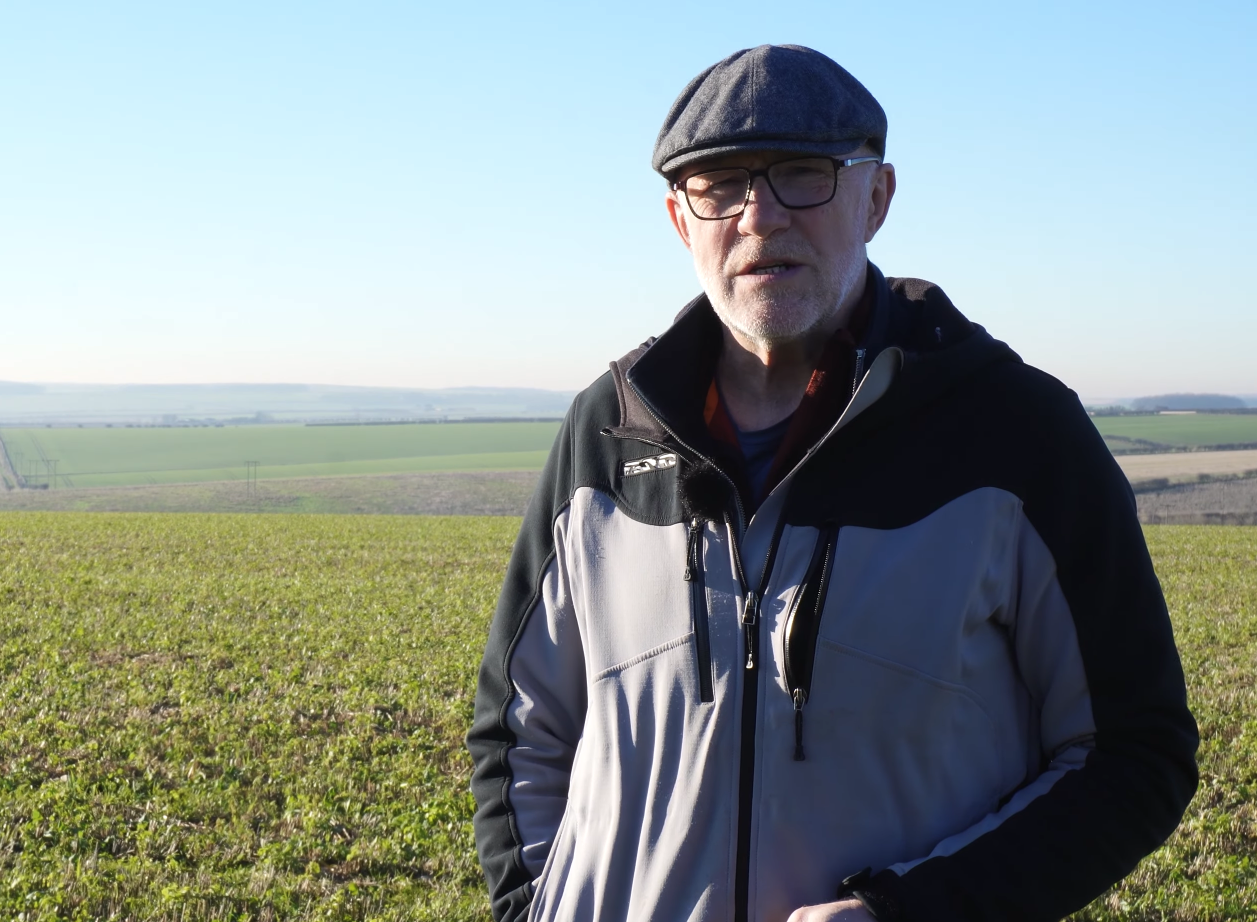
Tom Mellor
Hunmanby Grange Farm
Read Bio
Tom Mellor, third-generation farmer at Hunmanby Grange Farm in the Yorkshire Wolds, has led the 575-acre farm since the 1980s. He pioneered value-added ventures like The Wold Top Brewery and a malt whiskey distillery, and introduced cover cropping, rotational sheep grazing, and wind power to enhance soil health, sustainability, and farm efficiency
Mike Powley
Oak House Farm

Read Bio
Mike Powley farms at Oak House Farm in Green Hammerton and part of the Sustainable Landscapes programme, has spent years developing resilient, low-input farming systems. He integrates arable crops with livestock to close nutrient loops, using red clover to improve soil health, fix nitrogen naturally, and feed cattle – linking soil management directly with livestock performance. His approach is long-term, adaptive, and focused on making the whole farm system work together.”
On Farm Benefits
Our Programme Groups
Wolds Group
Yorkshire Wolds feature chalk-based, free-draining soils that range from shallow upland profiles to deeper, fertile valley loams. These conditions support highly productive arable farming, with wheat, barley, oilseed rape, and pulses as the main crops, alongside some sugar beet and limited sheep grazing on the thinner soils.
Topcliffe Group
Around Topcliffe, the land sits on the fertile Vale of Mowbray, characterised by deep, moisture-retentive loam and clay-loam soils with patches of alluvial material near the rivers. These rich, versatile soils support high-yield arable farming, especially wheat, barley, oilseed rape, potatoes, and field beans, with some livestock and grassland on heavier fields.
Shipton Group
Around Shipton, near York, the landscape is shaped by the Vale of York’s deep, fertile loam and clay-loam soils, with sandy or alluvial patches closer to drainage channels. These productive, moisture-holding soils suit a mix of arable and mixed farming, supporting wheat, barley, oilseed rape, vegetables, and potatoes, with some grassland and livestock on the heavier fields.
East Riding Group
Across the East Riding of Yorkshire, farming sits on a mix of fertile glacial tills, chalk-derived soils from the Wolds, and alluvial loams in river valleys. This variety supports strong arable production, with wheat, barley, oilseed rape, and potatoes widely grown, plus vegetables and horticultural crops on lighter soils, alongside pockets of grazing and mixed farming on the heavier clay areas.
Doncaster Group
Around Doncaster, the landscape features fertile lowland soils ranging from rich alluvial loams along the rivers to productive sandy and limestone-based soils to the east, with heavier clay areas in former wetland zones. This diversity supports high-output arable farming – wheat, barley, oilseed rape, sugar beet, and potatoes – alongside vegetables on lighter soils and significant livestock and grassland on the heavier clays.
Selby Group
Around Selby, the land is dominated by deep, productive alluvial and glacial till soils, with fertile loams and clay-loams formed from historic river and floodplain deposits. These moisture-retentive, versatile soils support intensive arable and horticultural farming, including wheat, barley, oilseed rape, potatoes, and field vegetables, with grassland and livestock on the heavier clay areas.
Walkington Group
Around Walkington, the farming landscape sits on the western edge of the Yorkshire Wolds, with a mix of chalk-influenced loam soils and glacial tills that offer good fertility and reliable drainage. These versatile soils support strong arable rotations, including wheat, barley, oilseed rape, and pulses, with some grassland and livestock on the heavier patches closer to the lower ground toward Beverley.
East Ness Group
The area around East Ness, in the Rye Valley of North Yorkshire, features fertile alluvial and glacial soils—mainly deep loams and clay-loams with lighter sandy patches on higher ground. These productive, moisture-retentive soils support mixed and arable farming, with wheat, barley, oilseed rape, potatoes, and grassland for livestock common across the area.
Elvington Group
Testimonials
“Keeping soils healthy and where they belong is good for the environment; the resilience and profitability of farming and improves the water we treat for our customers. Sustainable Landscapes is a platform to share, develop and implement best practice within and by the farming community. We believe it has the potential to make a real difference where everybody wins, not least the environment”.
“I enjoy the interaction with other like minded farmers who are passionate about making their soils better and exchanging ideas. It’s great we can go to other farms, look at soil, look at what practices they are doing and hopefully bring onto our farm.”
Our Delivery Partners


