
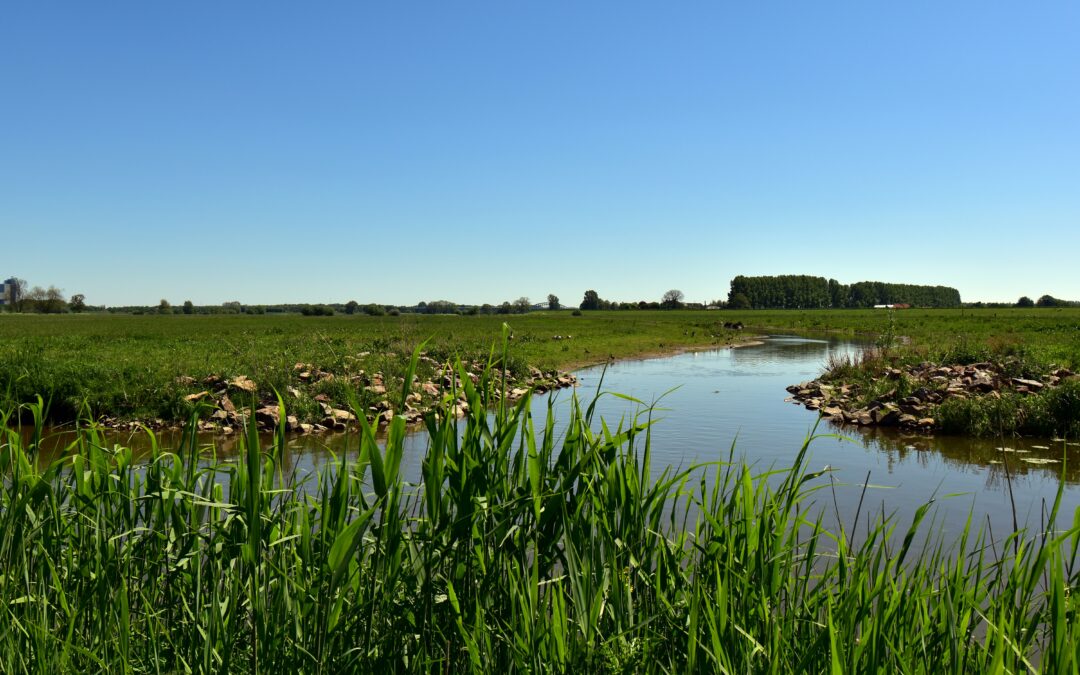
Protecting soil and water is a key priority for farmers and land managers. Simple, practical measures in the field can reduce erosion, prevent nutrient loss, and improve overall soil health without major investment. By taking action, farmers can safeguard productivity, protect waterways, and enhance the resilience of their land.
Understanding Soil and Water Loss
Soil and water loss often occur due to:
- Surface runoff: Water moving across bare or compacted soil carries nutrients, pesticides, and sediment into watercourses.
- Erosion: Heavy rainfall on unprotected soil can remove the fertile top layer.
- Compaction: Machinery traffic, particularly on wet soils, reduces infiltration and increases surface flow.
These losses not only harm the environment but also reduce soil fertility, leading to lower yields and higher input costs.
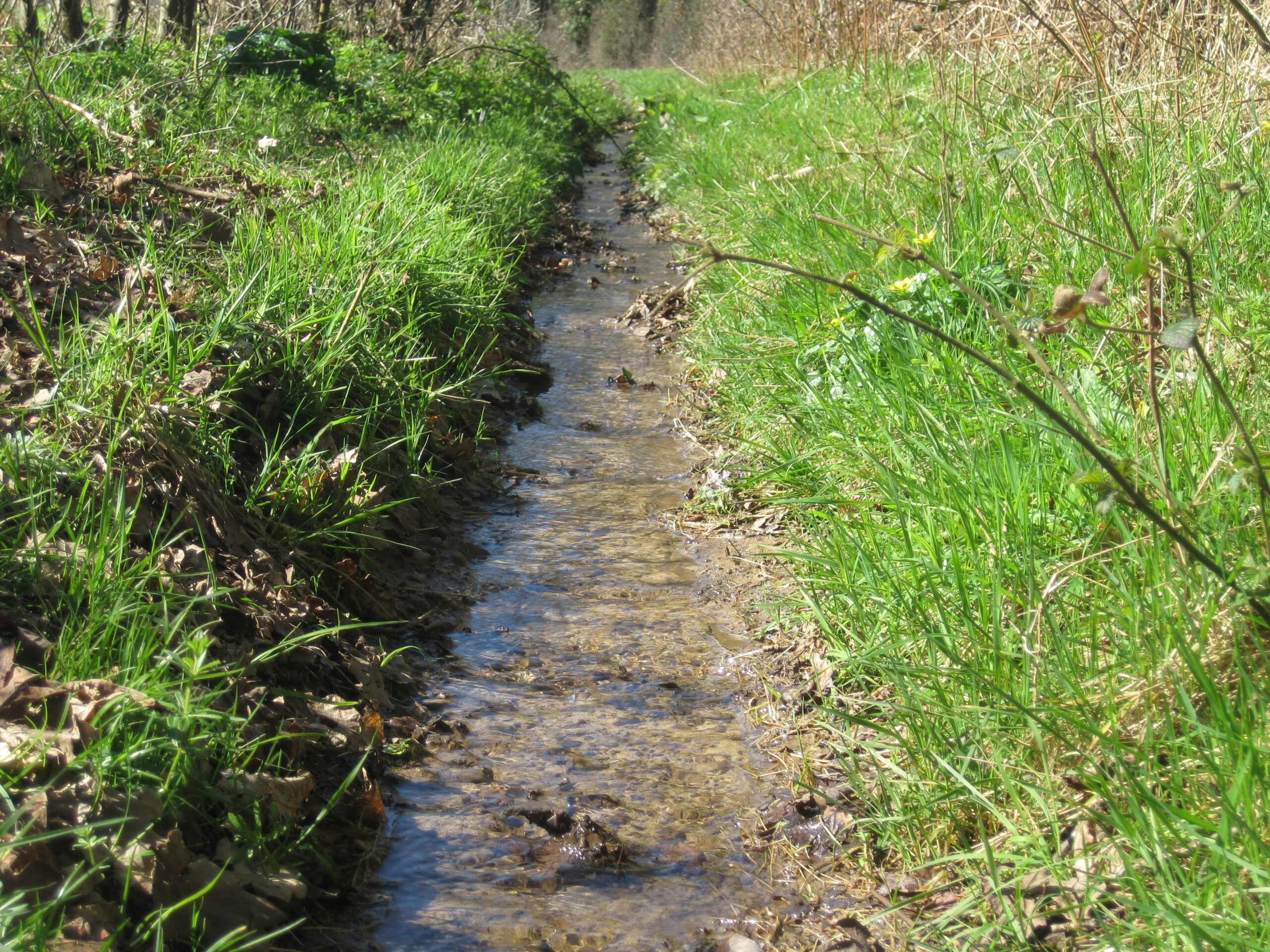
Simple Field Fixes to Save Soil and Water
- Maintain Soil Cover
Keeping soil covered is one of the most effective ways to protect it.
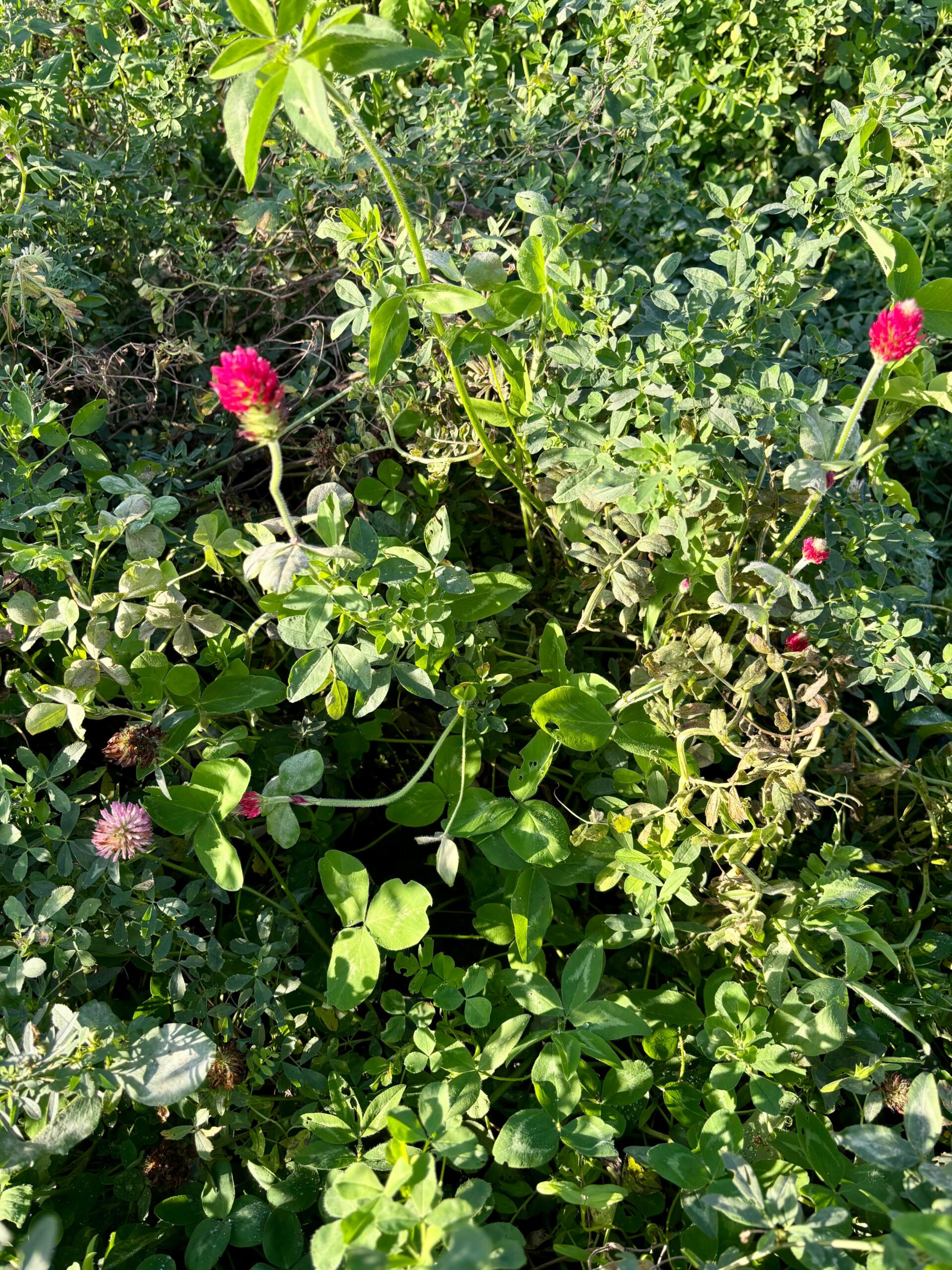
- Cover crops: Planting rye, clover, or vetch over winter shields soil from rain and slows runoff.
- Residue retention: Leaving straw or crop residues after harvest reduces erosion.
- Reduce Soil Compaction
Compacted soil limits water infiltration, increasing runoff.
- Avoid working wet fields.
- Use low-ground-pressure tyres or tracked machinery.
- Rotate machinery routes to prevent repeated traffic on the same areas.
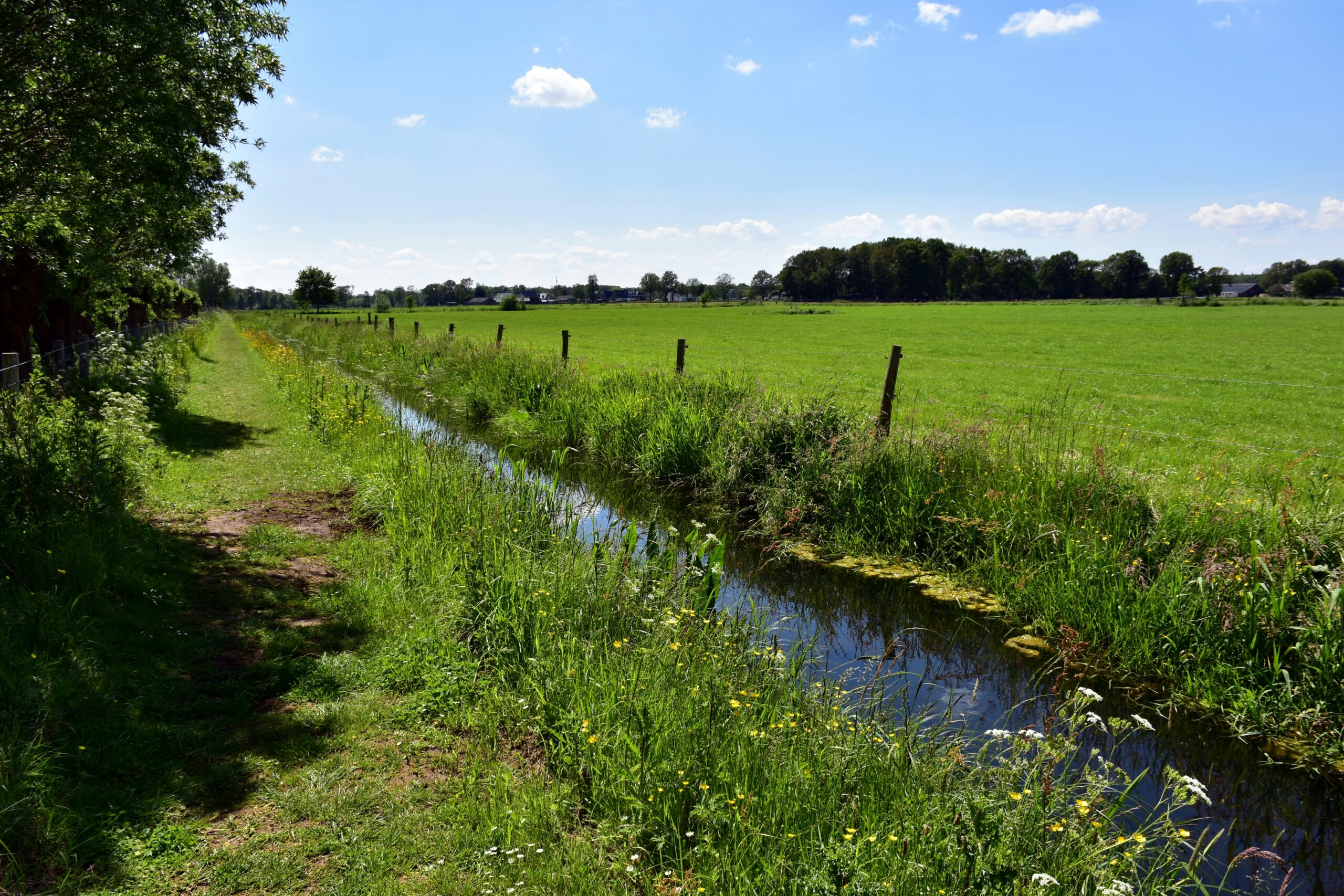
- Create Buffer Strips
Grass or vegetative strips along field edges or watercourses:
- Slow surface water flow.
- Trap sediment and nutrients.
- Provide wildlife habitats and improve biodiversity.
- Improve Drainage
Simple drainage measures can protect fields from waterlogging and reduce runoff:
- Clear ditches and drains regularly.
- Use swales or small check dams to slow water and encourage infiltration.
- Consider controlled outlet systems to release water gradually.
- Targeted Nutrient Management
Apply fertilisers and manure strategically to prevent losses:
- Avoid spreading on bare or frozen soil.
- Match applications to crop requirements.
- Use soil testing to guide precise fertiliser use.
Top 5 Quick Field Fixes for This Winter
- Plant winter cover crops: Protect bare soil and improve organic matter.
- Leave crop residues on fields: Reduce raindrop impact and slow runoff.
- Establish grass buffer strips: Trap sediment before it reaches watercourses.
- Check and clear drains: Ensure water can flow away safely without causing erosion.
- Avoid heavy machinery on wet soil: Prevent compaction that worsens runoff and waterlogging.
Conclusion
Protecting soil and water doesn’t have to be complicated. Simple field fixes—like cover crops, residue retention, buffer strips, careful machinery use, and drainage management—can make a big difference. Implementing these measures helps maintain soil fertility, improve water quality, and ensure the long-term sustainability of your farm.

FAQ: Simple Field Fixes for Soil and Water
Q1: How quickly can simple fixes make a difference?
A: Many measures, like cover crops, residue retention, and buffer strips, can reduce runoff and erosion within the first season.
Q2: Do buffer strips reduce crop yield?
A: Minimal land is taken out of production, and the benefits of reduced soil and nutrient loss often outweigh the small loss of crop area.
Q3: Are low-cost drainage fixes effective?
A: Yes. Simple measures like clearing ditches, building swales, or installing small check dams can significantly reduce runoff and waterlogging.
Q4: Can these fixes be applied on livestock farms?
A: Absolutely. Measures like buffer strips, avoiding machinery on wet soil, and rotational grazing on vulnerable areas are highly effective on livestock farms.
External Resources Worth A Read
- Farmers Weekly – How to improve soil and yields with effective field drainage
- AHDB – An introduction to field drainage