
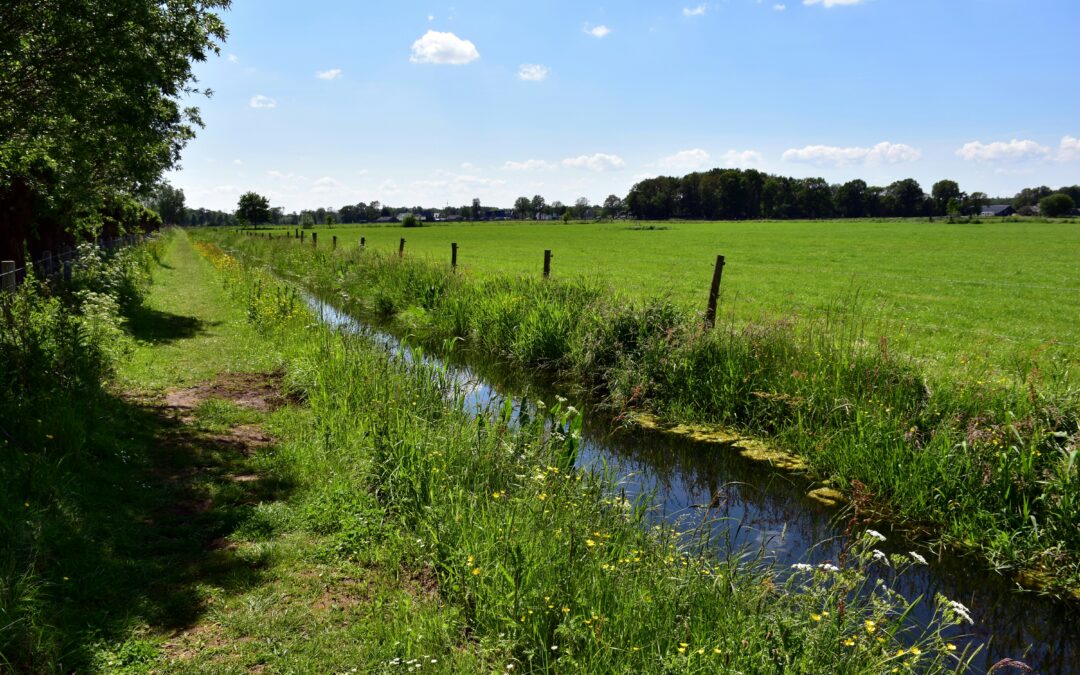
Winter in the UK brings heavy rainfall, waterlogging, and increased risk of sediment and nutrient runoff from farmland. Protecting watercourses before winter safeguards water quality, prevents erosion, maintains soil fertility, and reduces environmental impact.
Understanding Risks to Watercourses in Winter
Watercourses are vulnerable in the autumn and winter because:
- Rainfall can wash soil, nutrients, and pesticides into streams and rivers.
- Bare or compacted soils increase surface runoff.
- Livestock or machinery in wet areas can damage riverbanks and tracks.
Unchecked, this can result in:
- Sediment pollution, which smothers aquatic habitats.
- Nutrient loss, causing algal blooms and water quality issues.
- Increased maintenance costs for water infrastructure downstream.
Practical Measures to Protect Watercourses
-
- Soil Cover
Covering the soil protects it from erosion and reduces runoff:
- Winter cover crops: Rye, clover, and vetch provide soil protection and nutrient uptake.
- Residue retention: Leave straw or crop residues after harvest to shield the soil surface.
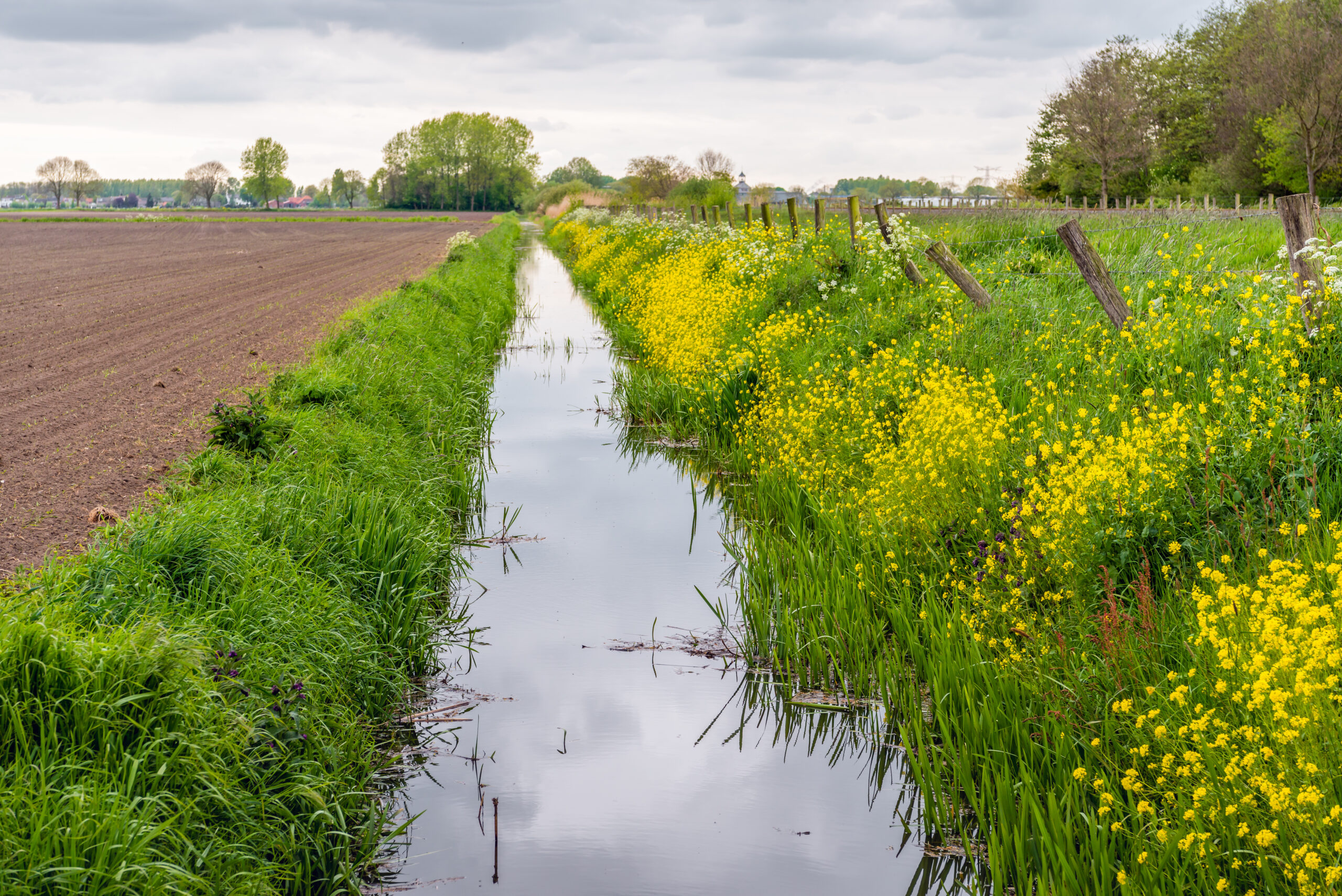
Vegetated margins alongside watercourses act as natural filters:
- Trap sediment and nutrients before they enter water.
- Support biodiversity with habitat for pollinators and beneficial insects.
- Can be grass, wildflower mixes, or low-maintenance native plants.
Livestock can damage banks and increase sediment runoff:
- Fence off watercourses where possible.
- Provide alternative drinking points away from streams.
- Use hardened crossings or gateways to prevent soil disturbance.
- Control Machinery Movements
Heavy machinery in wet conditions can compact soil and increase runoff:
- Avoid working near watercourses when soils are wet.
- Plan machinery routes to reduce traffic in sensitive areas.
- Use wide gateways and reinforced tracks to limit soil loss.
- Improve Drainage and Water Management
Slowing water movement reduces sediment transport:
- Maintain ditches, drains, and swales to guide water away safely.
- Consider small check dams or temporary sediment traps in problem areas.
- Ensure drainage outlets do not discharge directly into watercourses.

What support is available to protect watercourses?
1. Yorkshire Water runs a range of catchment management initiatives that work directly with farmers across the region. Through its Catchment Care and Sustainable Landscapes programmes, Yorkshire Water supports:
-
Grant funding for infrastructure such as fencing, cover crops, and track improvements.
-
Advisory support on nutrient management, soil testing, and water protection measures.
-
Collaboration with local groups like Future Food Solutions to co-design on-farm solutions that benefit both water quality and profitability.
The focus is on practical, on-the-ground changes – like improving soil structure and reducing runoff—that make a measurable difference to water resilience and farm sustainability.
2. Anglian Water’s Catchment Management Programme also plays a key role in supporting farmers to protect water resources across Eastern England. Through its Catchment Delivery Officers and partnerships with agricultural organisations, the company offers:
-
Funding and advice for measures that reduce nitrate and pesticide loss.
-
Tailored guidance on soil and nutrient management plans.
-
Collaborative trials exploring nature-based solutions, such as buffer strips, cover cropping, and precision application of inputs.
Anglian Water’s proactive approach aims to achieve cleaner raw water through prevention—supporting farm businesses to adopt solutions that reduce pollution risk at the source rather than relying on costly end-of-pipe treatments.
Top 5 Quick Actions to Protect Watercourses Before Winter
- Plant winter cover crops on bare soils to reduce erosion.
- Create or maintain buffer strips along rivers, streams, and ditches.
- Fence off watercourses to prevent livestock access.
- Avoid machinery near wet areas to minimise compaction and sediment loss.
- Check and clear drains, ditches, and swales to control water flow.
Conclusion
Protecting watercourses before winter is a practical and effective way to safeguard soil, reduce nutrient and sediment loss, and maintain farm productivity. By combining cover crops, buffer strips, livestock management, careful machinery use, and drainage improvements, farmers can protect water quality and comply with environmental best practices.
Implementing these measures now ensures a healthier farm, resilient soil, and cleaner water downstream throughout the winter and into spring.
FAQ: Protecting Watercourses Before Winter
Q1: How effective are buffer strips?
A: Very effective. Grass or vegetated margins can trap up to 80% of sediment and reduce nutrient runoff significantly.
Q2: Can cover crops really protect soil in heavy rain?
A: Yes. Cover crops protect bare soil from raindrop impact, reduce erosion, and absorb residual nutrients.
Q3: What fencing options work for livestock near streams?
A: Permanent fencing, temporary electric fencing, or exclusion zones with alternative drinking points all work depending on farm layout.
Q4: When is the best time to plant cover crops?
A: After harvest, usually from late August to October in most UK regions, giving crops time to establish before frost.
Q5: Are temporary sediment traps useful?
A: Yes, particularly in gateways or tracks leading to watercourses. They slow water flow and catch soil before it enters streams.