

Protect Soils: As autumn winds down and winter rains approach, many UK farmers face the challenge of protecting their soils from erosion, compaction, and nutrient loss. Wet soils can be fragile, and poor management now can affect spring crop performance and long-term soil health. Here’s a guide to safeguarding your soils ahead of the wetter months.
1. Understand Your Soil Condition
Before taking action, assess the current state of your soils:
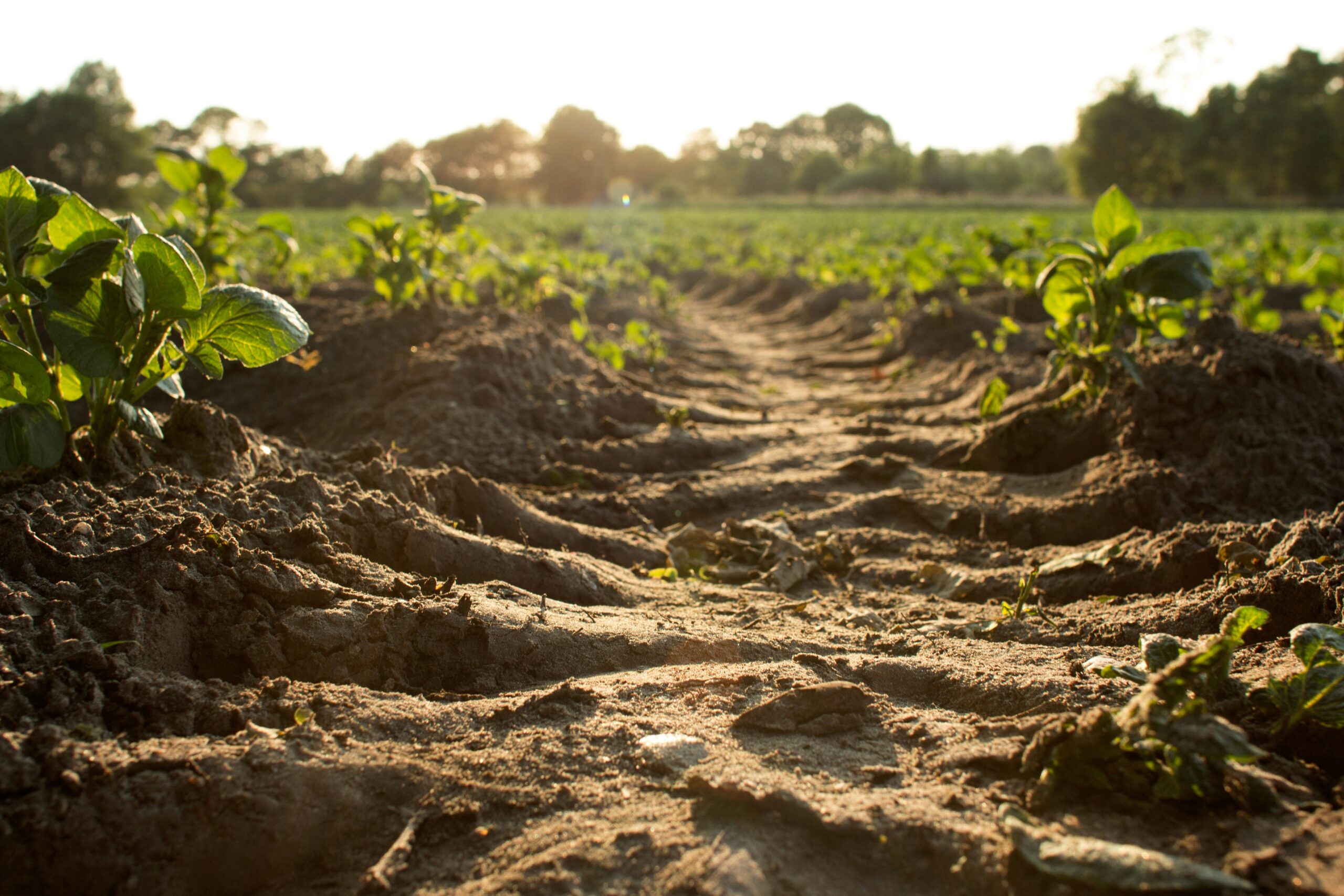
- Structure: Look for signs of compaction, such as puddling, waterlogging, or hard pans.
- Organic matter: Soils high in organic matter retain structure better and resist erosion.
- Drainage: Check fields for poor-draining areas that may require attention.
Simple soil assessments, including walking the field and looking for surface water pooling, can help you prioritise interventions.
2. Use Cover Crops Wisely
Cover crops are one of the most effective tools for protecting soil during wet winters. They:
- Reduce surface runoff and erosion
- Capture residual nutrients
- Improve soil structure through root growth
Tips:
-
- Sow cover crops like rye, vetch, or clover before heavy winter rains.
- Avoid leaving soil bare for long periods, especially on slopes or light soils.
- Ensure good seed-to-soil contact to establish strong growth before frost.

3. Minimise Soil Disturbance
Heavy machinery on wet soils can cause lasting compaction. Protect your soil by:
- Timing field operations for drier periods
- Reducing passes across the field
- Using low ground pressure tyres or tracks
Even small changes in machinery use can make a big difference in maintaining soil structure.

FAQs – Protecting Soil Ahead of Winter
Q1: Can I sow cover crops on wet soils?
A: It’s best to sow when soils are firm enough to avoid compaction. If fields are very wet, delay sowing or consider broadcast methods that minimise machinery passes.
Q2: How much residue should I leave on fields?
A: Leaving 30–50% of crop residue on the surface can help protect against rainfall impact and reduce erosion while maintaining soil organic matter.
Q3: Which cover crops work best in wet winters?
A: Rye, oats, vetch, and clover are popular options in the UK. Choose based on your soil type, rotation, and the risk of erosion.
Q4: Can I use machinery if my soils are waterlogged?
A: Avoid heavy machinery on saturated soils. If you must, use lighter machines, reduce passes, or work along the field edge to minimise compaction.
Q5: How do I know if my soil is compacted?
A: Signs include puddling after rain, slow drainage, poor root growth, and hard soil layers below the surface. A simple hand probe or penetrometer test can confirm compaction.
4. Maintain Organic Matter
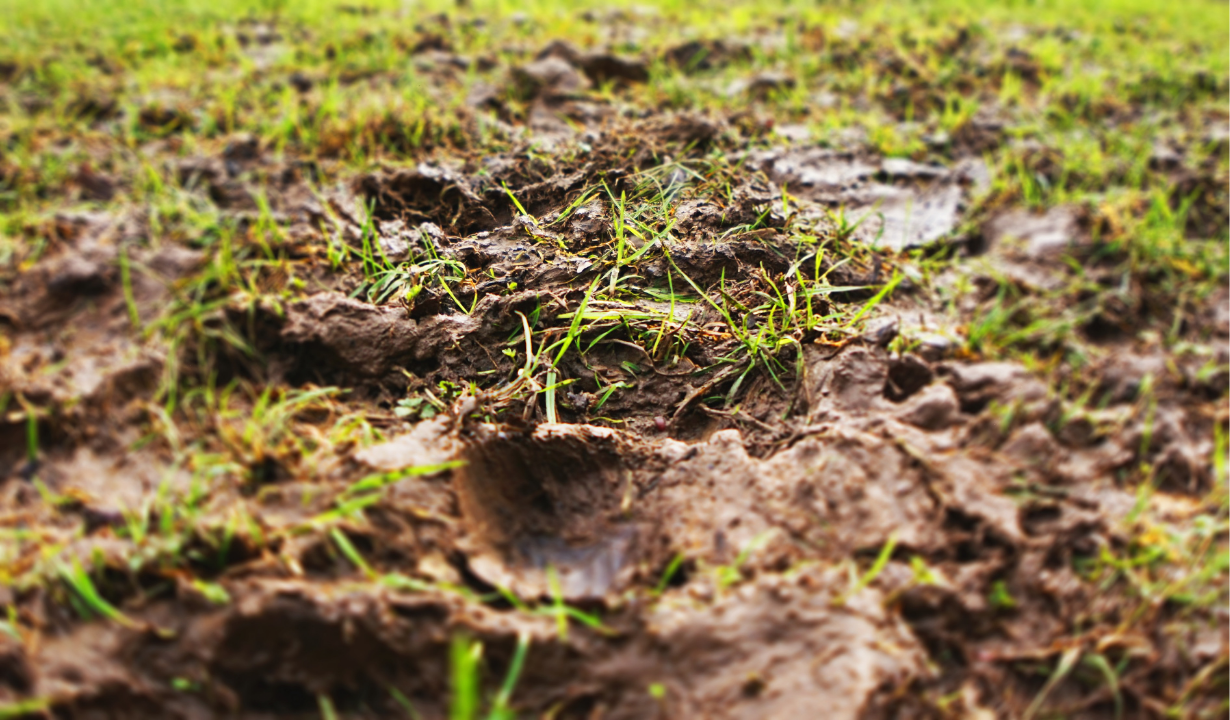
Organic matter improves water infiltration and soil resilience. Consider:
- Leaving crop residues on the surface
- Applying organic amendments like compost or manure where feasible
- Avoiding over-tillage, which breaks down soil aggregates
Healthy soils with good organic content are less prone to erosion and more capable of absorbing heavy rainfall.
5. Manage Water Flow
Proactively managing water reduces damage during storms:
- Use grass buffer strips or hedgerows to slow surface runoff
- Maintain drainage ditches and field drains
- Consider contour ploughing on sloped land
Slowing water movement helps prevent soil loss and protects nutrients.
6. Plan Ahead for Spring
Winter soil protection isn’t just about the present – it sets the stage for spring crops:
- Healthy winter soils warm faster in spring, allowing earlier planting
- Reduced compaction improves root growth and crop establishment
- Less erosion preserves nutrients, reducing fertiliser costs
Key Takeaways
- Protect soils now to save time, money, and yield next spring.
- Cover crops, minimal disturbance, and organic matter are your allies.
- Simple measures like maintaining drainage and using buffer strips can prevent major losses.
Winter rains are inevitable, but with proactive management, you can keep your soils productive, resilient, and ready for the next growing season.