
Blog Posts
Farming Smarter: Insights on Soil Health, Resilient Land, Profitable Practices, Water Quality, and Innovative Technology”

Is the C:N Ratio Important for Soil Health and productivity?
The carbon to nitrogen (C:N) ratio is a key factor in soil health and fertility. Whether you’re a farmer, gardener, or environmental enthusiast, understanding this ratio helps you optimise plant growth, improve soil structure, and manage organic matter effectively. By balancing carbon and nitrogen inputs, you can create a thriving soil ecosystem that supports sustainable agriculture and reduces environmental impact. The C:N ratio is the proportion of carbon (C) to nitrogen (N) in organic...

How Can Measuring the C:N Ratio Help Farmers Reduce Fertiliser Use?
Managing fertiliser efficiently is one of the biggest challenges for farmers. Over-application can waste money, harm the environment, and reduce soil health, while under-application limits crop growth. Measuring the carbon to nitrogen (C:N) ratio of farm organic materials and soils provides a powerful tool to optimise fertiliser use, improve nutrient efficiency, and promote sustainable crop production. The C:N ratio is the proportion of carbon (C) to nitrogen (N) in organic matter, such as...

Supporting Farmers Through Change: Why the Sustainable Landscapes Programme Matters More Than Ever
Farmers today are operating in an increasingly complex and uncertain environment. Rising input costs, volatile markets, climate extremes, shifting agricultural policy, and growing environmental expectations are reshaping how food is produced in the UK. Against this backdrop, programmes that support farmers to adapt, innovate, and build resilience are no longer optional — they are essential. The Sustainable Landscapes Programme, delivered by Future Food Solutions, is designed to meet this...

What Lessons Can I Learn From the Most Resilient Farms?
Resilience has never been more important for UK farmers. Extreme weather, market volatility, regulatory changes, and environmental pressures mean that farms must adapt to thrive. By learning from farms that have successfully navigated these challenges, others can improve productivity, sustainability, and long-term profitability. Invest in Soil Health Healthy soils retain water, improve nutrient efficiency, and support strong crops. Resilient farms use practices like cover crops, minimal...
What Simple Field Fixes Save Soil and Water?
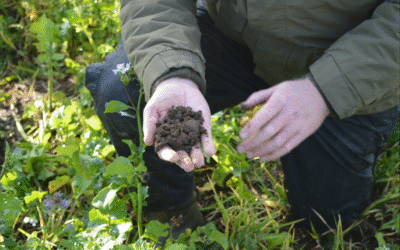
Protecting soil and water is a key priority for farmers and land managers. Simple, practical measures in the field can reduce erosion, prevent nutrient loss, and improve overall soil health without major investment. By taking action, farmers can safeguard productivity, protect waterways, and enhance the resilience of their land. Soil and water loss often occur due to: Surface runoff: Water moving across bare or compacted soil carries nutrients, pesticides, and sediment into watercourses....
How Have Farms Integrated Carbon and Biodiversity Successfully?
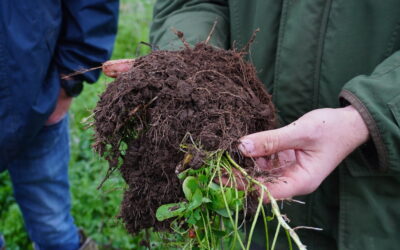
UK farmers are increasingly recognising that carbon storage and biodiversity enhancement can go hand-in-hand. By integrating these practices, farms not only generate additional income through environmental payments and carbon credits but also improve soil health, water quality, and resilience to climate change. Successful examples show that thoughtful planning and management can deliver multiple environmental and business benefits. Carbon sequestration: Practices such as tree planting,...

What SFI & Water Policy Updates Should I Know for 2026?
As 2026 approaches, UK farmers need to stay informed about updates to the Sustainable Farming Incentive (SFI) and water policies. These changes influence environmental compliance, access to payments, and long-term farm resilience. Understanding the updates ensures that farms can protect water quality, improve sustainability, and benefit financially. Expanded Payment Options SFI payments will continue, with new modules focused on water protection. Actions such as buffer strips, livestock...

Why Could 2026 Be the Year of Catchment Collaboration?
The coming year could mark a turning point for catchment-scale collaboration in UK farming. As pressures on water quality, soil health, biodiversity, and climate resilience increase, working together across farms, local authorities, water companies, and NGOs is becoming more effective and financially rewarding than ever before. Catchment collaboration allows stakeholders to tackle environmental challenges at scale, rather than individually. Key benefits include: Improved water quality –...
What’s Next for Water Quality Funding?
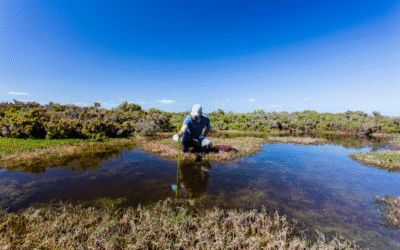
Water quality remains a top priority for UK farmers, with increasing focus on reducing nutrient runoff, improving soil health, and protecting watercourses. As funding schemes evolve, farmers need to understand what support is available, how it can be accessed, and which practices deliver both environmental and financial benefits. In recent years, funding for water quality improvements has grown through schemes such as: Sustainable Farming Incentive (SFI) – payments for soil and...