
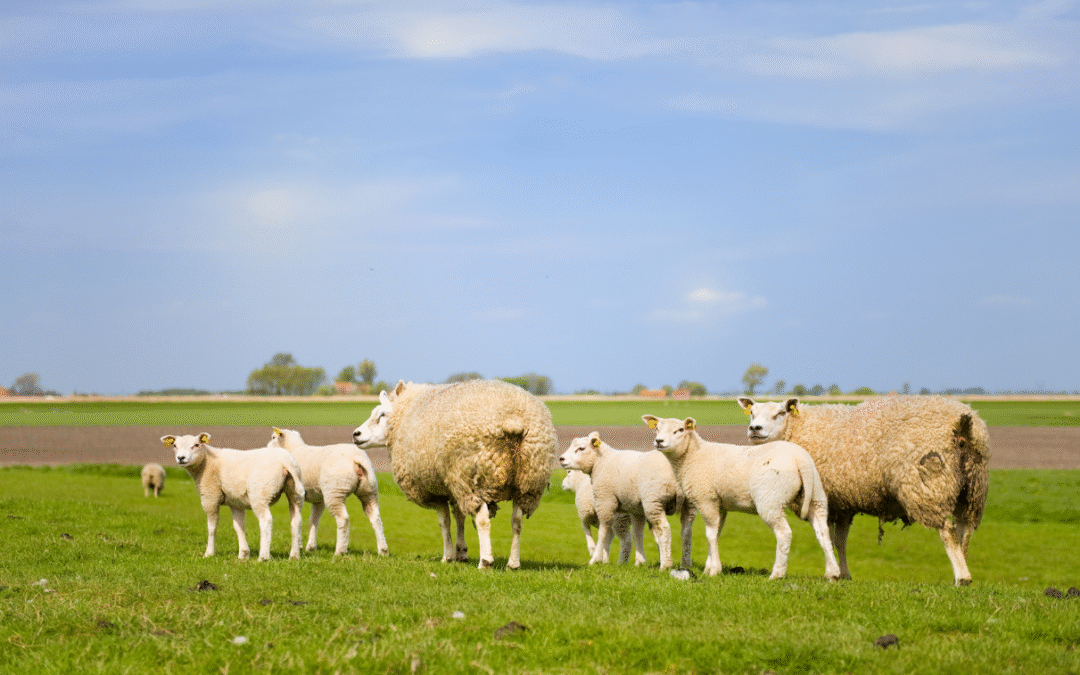
Grazing livestock in wet conditions can be a major challenge for UK farmers. Wet soils are highly susceptible to compaction, poaching, and erosion, which can reduce productivity, damage pasture, and contribute to sediment and nutrient loss in watercourses. However, with careful planning and management, grazing can continue without harming the soil.
Understanding the Risks of Wet Weather Grazing
Wet soils are particularly vulnerable because:
- Compaction: Heavy animals press down on soft soils, reducing pore space and water infiltration.
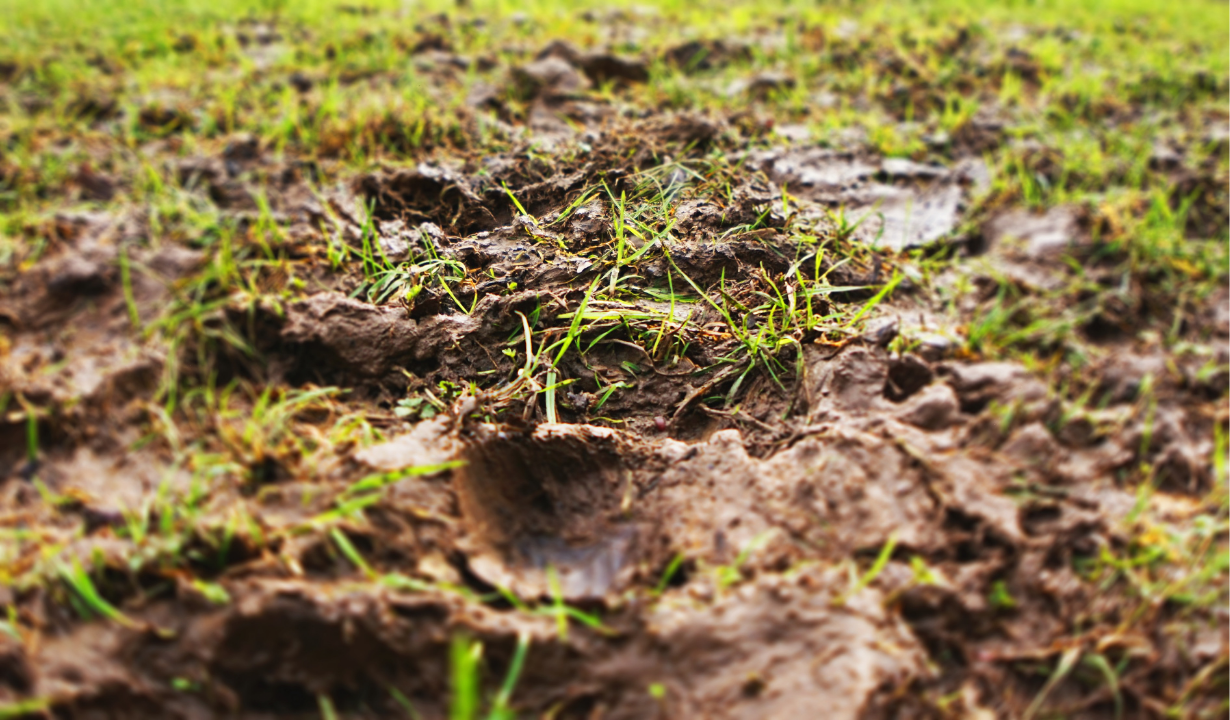
- Poaching: Trampling of wet areas can leave bare patches, leading to erosion.
- Runoff and nutrient loss: Damaged soil allows more water and nutrients to wash into nearby streams.
- Reduced pasture productivity: Damaged swards and compacted soils limit grass recovery and future yields.
- Nutrient loss: Runoff and leaching remove valuable nutrients, lowering soil fertility and increasing pollution risks.
- Animal welfare issues: Standing or feeding on muddy ground can cause lameness and stress.
-
Higher management costs: Damaged pastures and infrastructure (e.g., gateways, tracks) often require repair or reseeding.
These issues can reduce pasture productivity, increase maintenance costs, and affect environmental compliance.
Strategies for Grazing in Wet Conditions
- Monitor Soil Moisture
- Use visual checks or soil penetrometers to assess soil softness.
- Avoid grazing when soils are waterlogged or highly saturated.
- Reduce Stocking Density
- Fewer animals per hectare reduces pressure on the soil.
- Consider splitting fields or using smaller paddocks to spread grazing pressure.
- Use Tracks and Hardstandings
- Provide well-drained gateways, tracks, or hardstanding areas to prevent poaching in high-traffic areas.
- Reinforce gateways with gravel or recycled materials.
- Rotate Grazing
- Move livestock frequently to prevent overgrazing and concentrated damage in one area.
- Rest paddocks after wet grazing to allow soils and grass to recover.
- Keep livestock away from streams, ditches, or wet depressions.
- Fence sensitive areas or provide alternative water points to reduce access to vulnerable soil.
- Maintain Grass Cover
- Maintain dense, healthy swards to reduce compaction and protect soil.
- Avoid overgrazing in autumn and winter when soils are wet.
Top 5 Quick Actions for Wet Weather Grazing
- Check soil conditions before grazing; avoid overly saturated fields.
- Reduce stocking density to spread pressure and prevent soil damage.
- Use reinforced gateways and tracks to protect vulnerable areas.
- Fence off wet depressions and watercourses to prevent poaching.
- Rotate paddocks and rest fields to maintain grass cover and soil structure.
Conclusion
Grazing in wet weather doesn’t have to damage soil. By monitoring soil moisture, reducing stocking density, using reinforced tracks, implementing buffer zones, and rotating paddocks, farmers can maintain healthy pastures, reduce erosion, and protect watercourses.
Practical wet weather grazing management ensures productive, resilient grassland and helps protect soil and water quality during the challenging autumn and winter months.
FAQ: Grazing in Wet Weather
Q1: How do I know if soil is too wet to graze?
A: Look for water pooling, soft footprints that compact easily, or deep ruts forming after a few passes. If the soil is easily compressed, it’s too wet.
Q2: Can hardstanding areas prevent poaching?
A: Yes. Gravel, stone, or recycled planings in gateways and tracks reduce pressure on wet soil and minimise ruts.
Q3: Are some livestock better suited to wet weather grazing?
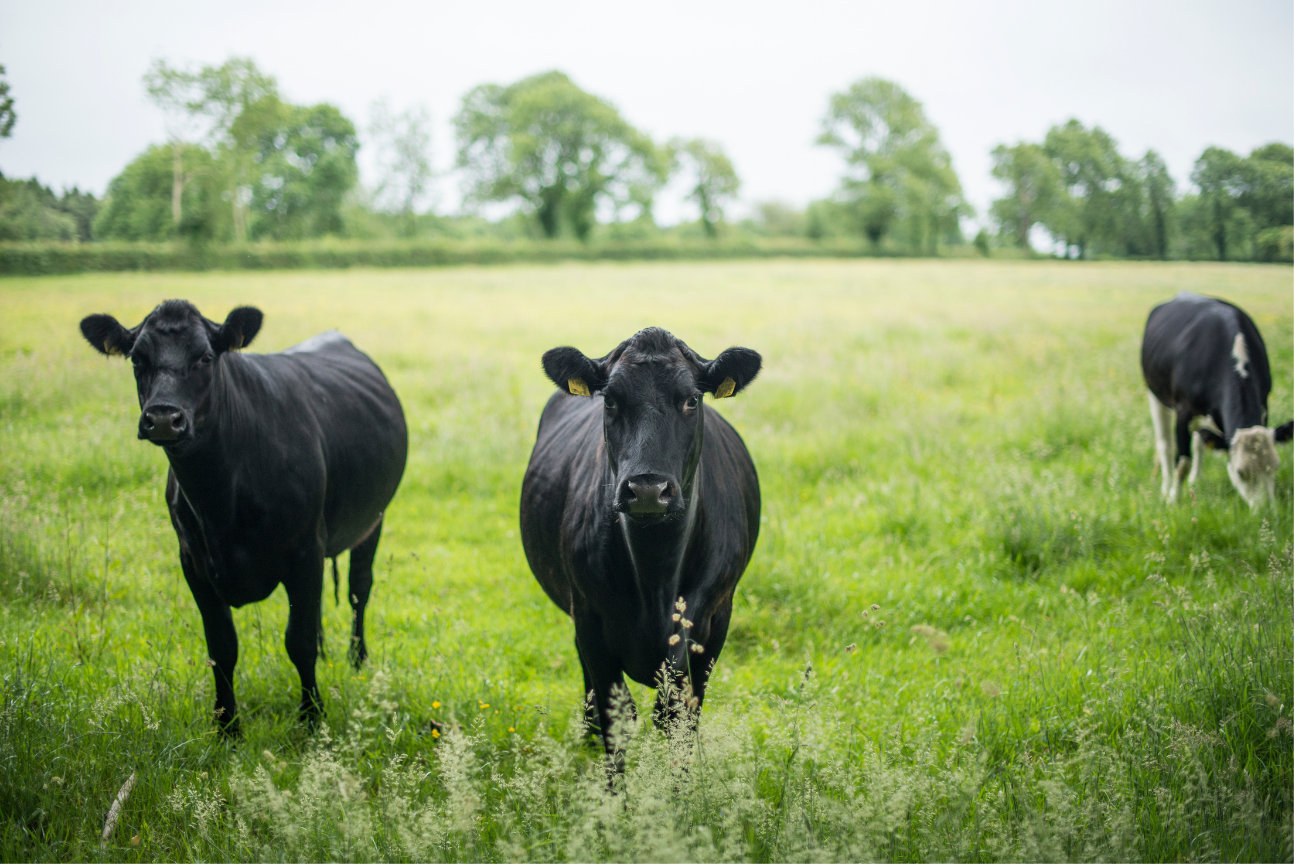
A: Lighter stock, such as sheep, cause less compaction than heavier cattle. Managing mixed grazing can reduce soil damage.
Q4: Does reducing stocking density affect productivity?
A: Short-term reductions may slightly lower output, but avoiding soil damage ensures long-term pasture productivity and reduces remediation costs.
Q5: How can I maintain grass cover in wet conditions?
A: Avoid overgrazing, consider re-seeding worn areas in drier periods, and use rotational grazing to allow recovery.