
Good Soil Guide
A guide to sustainable soil management, written by farmers, for farmers.
What is the Good Soil Guide?

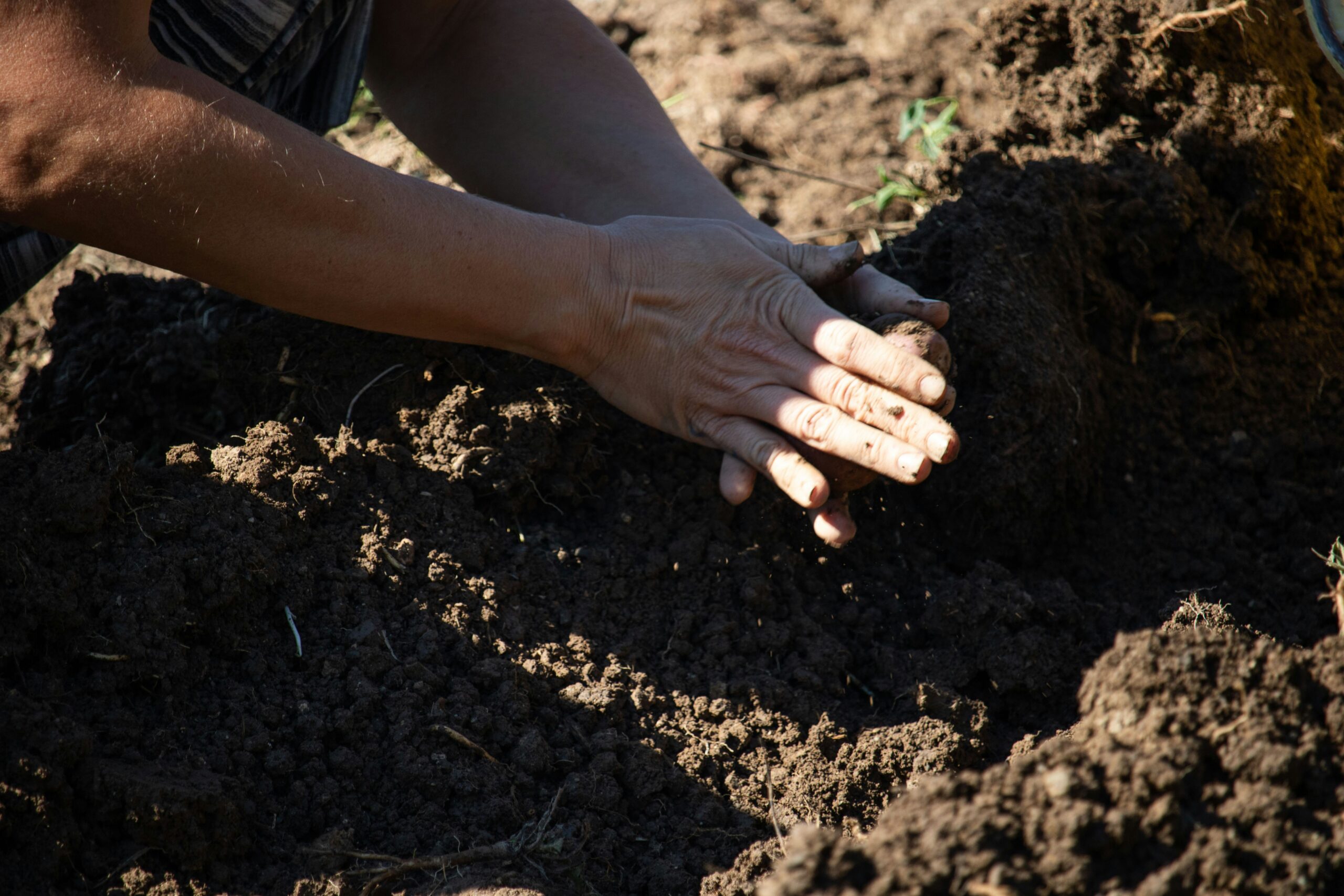
Sustainable Soil Management
Soil health across the UK has been steadily declining. In the past 80 years, arable soils have lost over half of their carbon reserves, weakening their ability to store nutrients and water, prevent erosion, and support crops during challenging growing conditions. This decline can have significant impacts on both agricultural productivity and the surrounding environment.
The Good Soil Guide was developed to help farmers move towards more sustainable soil management. It acts as a resource for knowledge sharing, practical advice, and technical support, helping farmers adopt farming practices that improve soil quality, rebuild soil carbon, and promote long-term soil health.
Created in response to the needs of farmers involved in the Sustainable Landscapes programme, the guide highlights a range of practical and affordable soil management approaches. These methods aim to improve soil health while delivering benefits at both farm level and across the wider landscape. It also explores key areas such as:
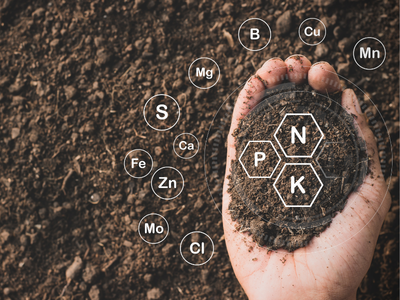
Soil Systems
Learn how cultivation, cropping, and fertiliser use affect soil health, and discover ways to restore soil function and strengthen farm resilience.
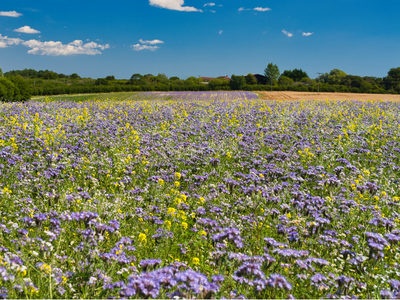
Cover Cropping
Discover the role of cover crops in recycling nutrients, building soil structure, improving water retention, and supporting soil health.
Farming Carbon
Restoring soil carbon can benefit farmers, the environment, and the wider supply chain, and plays a key role in sustainable agriculture.
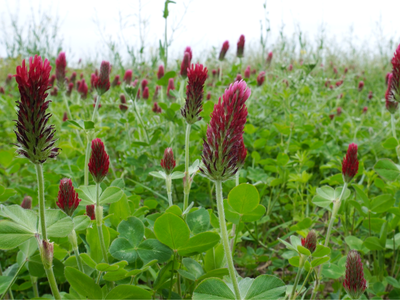
Adaptive agronomy
Adopting sustainable soil and crop practices can enhance soil fertility and natural pest control, while encouraging new approaches to conventional agronomy.
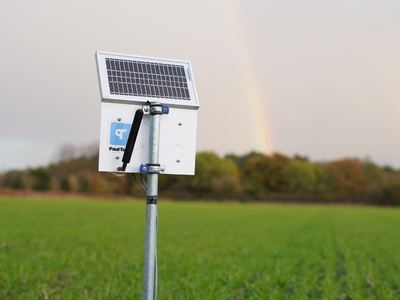
Future-proofing
Diverse data sources can track soil and crop health, evaluate progress, improve strategies, and help achieve sustainability goals.
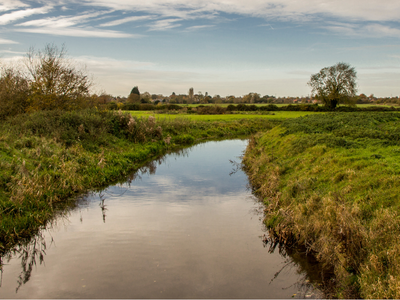
Sustainable Landscapes
Adjusting practices at the field level can impact whole landscapes, the resources within them, and the communities that rely on them.