Sustainable Landscapes in partnership with
Thames Water
Working with Farmers in the Thames Wallingford to Reading Catchment to Protect Local Water Quality

Funding Opportunities
Thames Water’s Catchment Fund offers up to £15,000 to help farmers in priority areas adopt water-friendly practices that reduce herbicide pollution.
The Bespoke Water Quality Improvement Projects provide up to £40,000 for long-term, high-impact initiatives that deliver lasting water quality benefits.
Funded Agronomy Visits
In addition to the funding opportunities, Thames Water is supporting independent farm visits and expert advice on soil health, crop performance, and nutrient management.
Identify ways to reduce input costs while focusing on practices that improve local water quality and long-term soil resilience.
Regular Programme Events
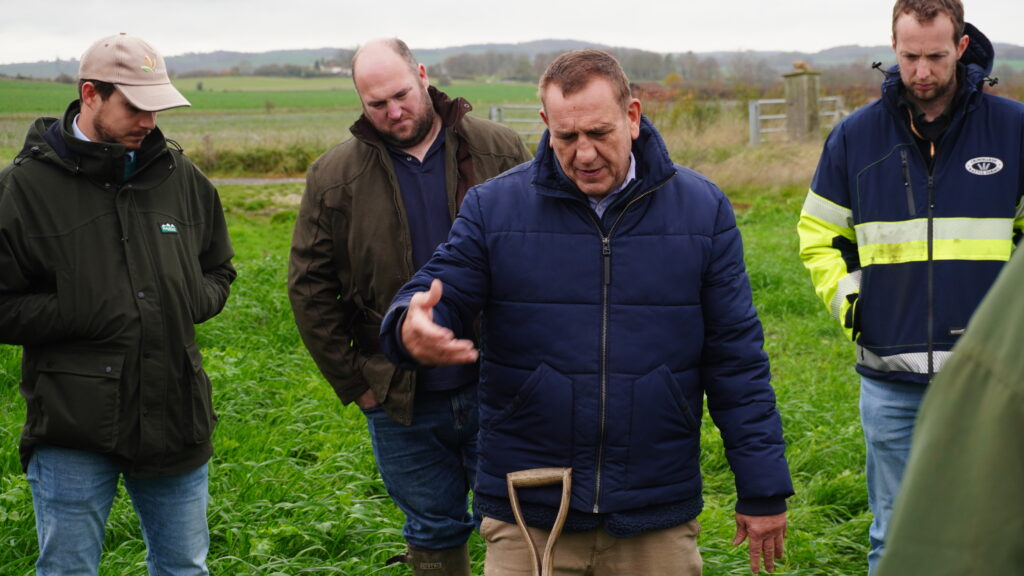
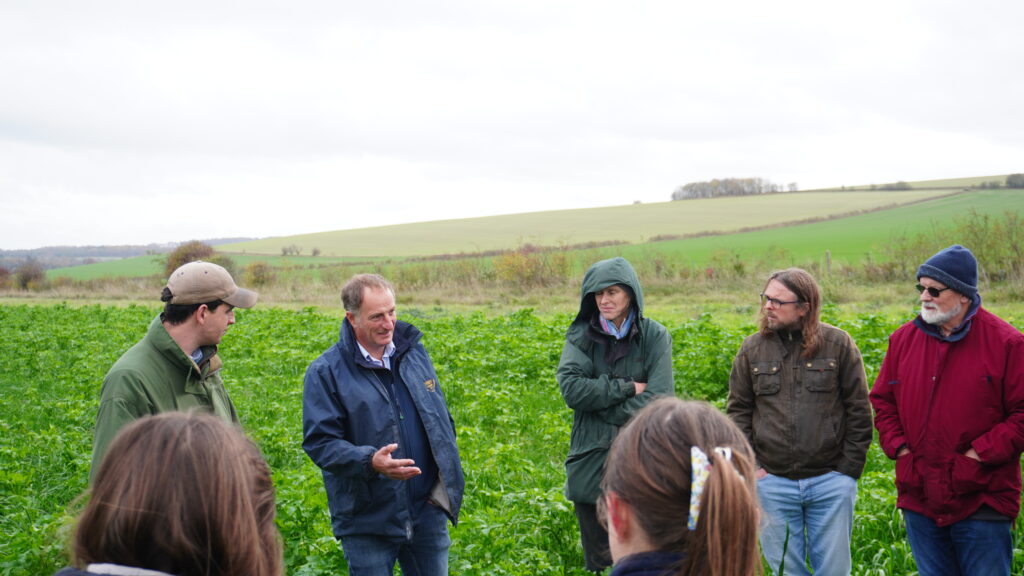
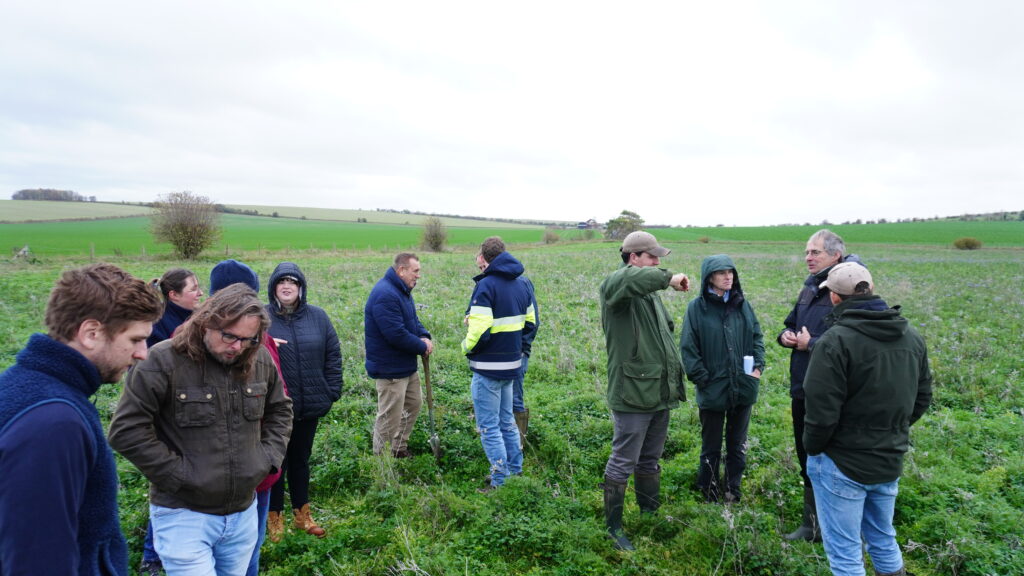
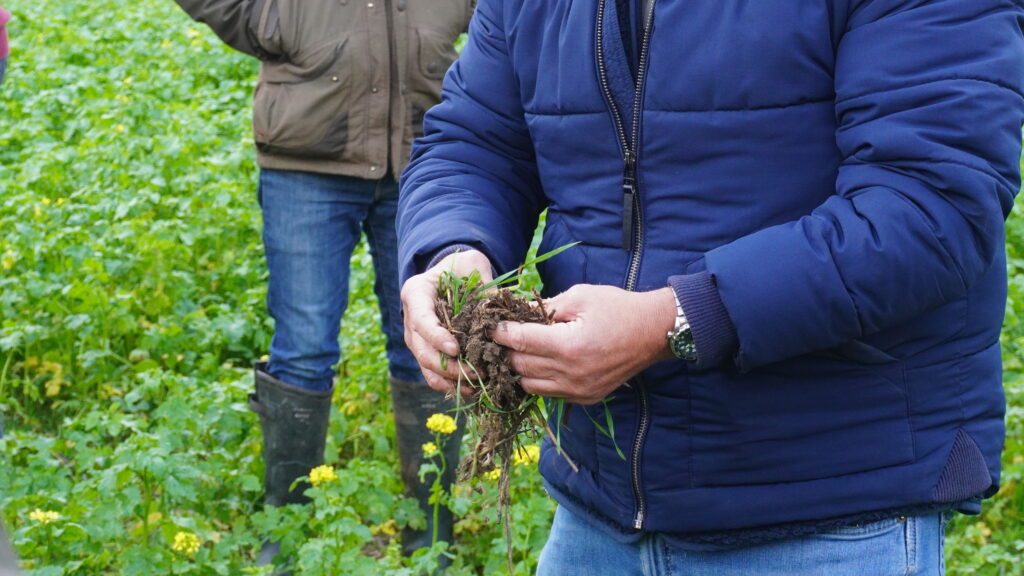
The Sustainable Landscapes Programme is delivered by Future Food Solutions, which hosts regular events throughout the year.
These gatherings bring together local farmers and expert speakers for a day of knowledge sharing, typically followed by a farm walk and refreshments.
Funded Measures to Reduce Herbicide Run-off
The Thames Water Catchment Fund supports farmers in priority areas to adopt practices that protect local water sources and reduce herbicide losses to the environment. The fund offers partial grants of up to £15,000 towards eligible activities, helping farms go beyond legal requirements and achieve best practice in water-friendly farming.
This catchment-based approach focuses on preventing herbicides from entering water sources in the first place — ensuring they stay on the farm doing their job, reducing the need for removal at treatment works, and creating a more efficient and sustainable outcome for everyone.
Farmers can apply for one successful Catchment Fund project per calendar year and are welcome to reapply in future years. The fund is only open to farms located within designated priority catchments for herbicide pollution.
For details on funding rates, application windows please get in touch with the Future Food Solutions team.
Improving Water Quality in the Thames Wallingford to Reading catchment.
Thames Water is committed to providing safe, high-quality drinking water that meets strict regulatory standards. One of the key challenges they face is diffuse pollution caused by agricultural herbicides entering rivers and groundwater.
To address this, Thames Water is working with partners such as Future Food Solutions to deliver the Sustainable Landscapes Programme in the Thames Wallingford to Reading catchment. Traditional treatment methods can be costly, energy-intensive, and unsustainable, so this partnership focuses on tackling the issue at its source.
Farmers in the Wallingford to Reading Catchment are being supported to adopt water-friendly farming practices that protect local water resources and reduce the need for intensive treatment.
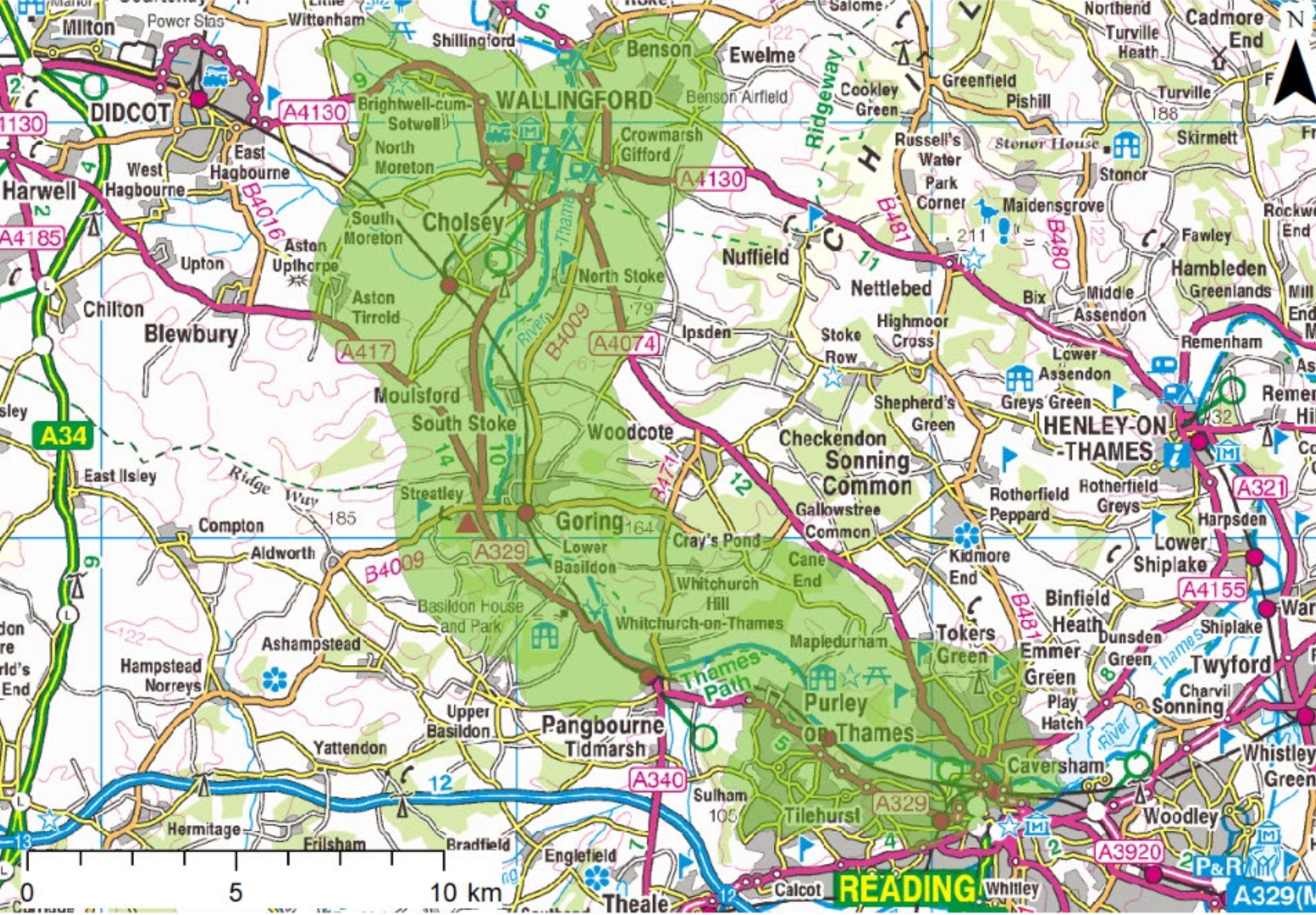
Thames Wallingford to Reading Catchment Map

Agronomy Support Delivered by Edaphos Agronomy
Edaphos Agronomy is a UK-based independent agronomy consultancy firm with around 20 years’ experience working with farmers to build more regenerative, sustainable systems.
The business specialises in moving away from heavy reliance on chemical inputs and instead focusing on soil and plant health as the foundation of crop performance.
Their core belief is that the soil beneath a farm holds stored resources that, when unlocked, lead to a healthier, well-balanced farming system.
On Farm Benefits
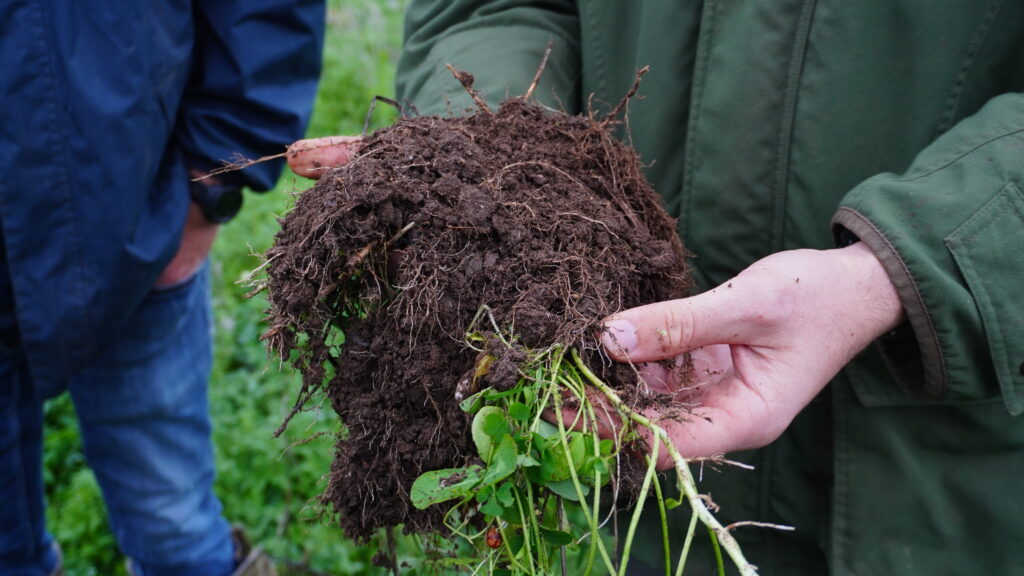
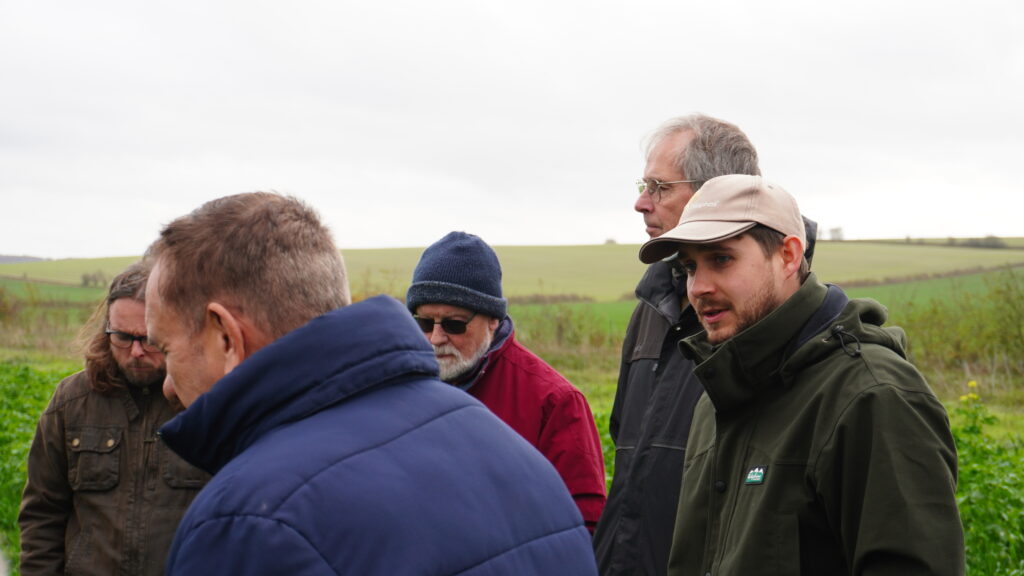
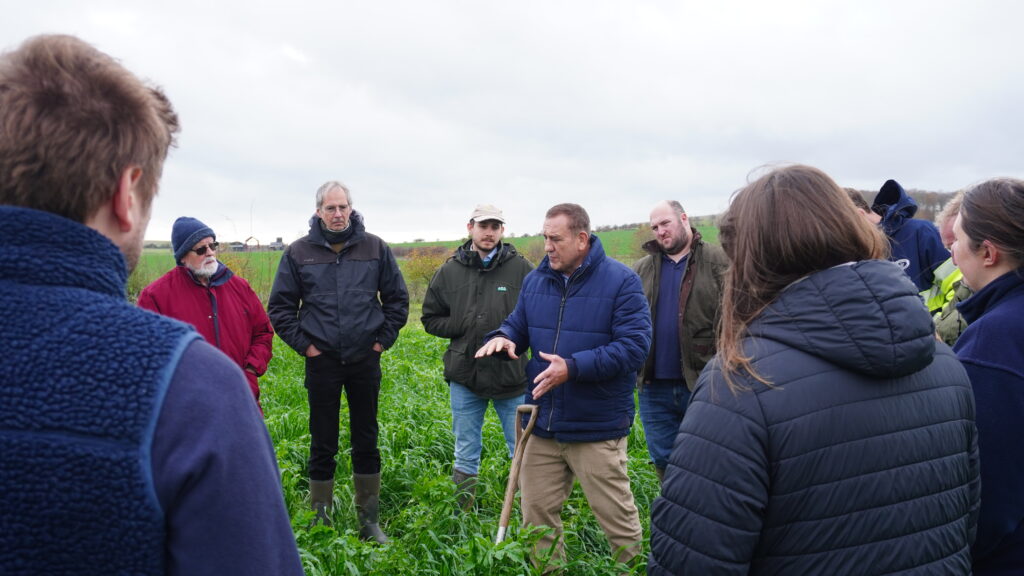
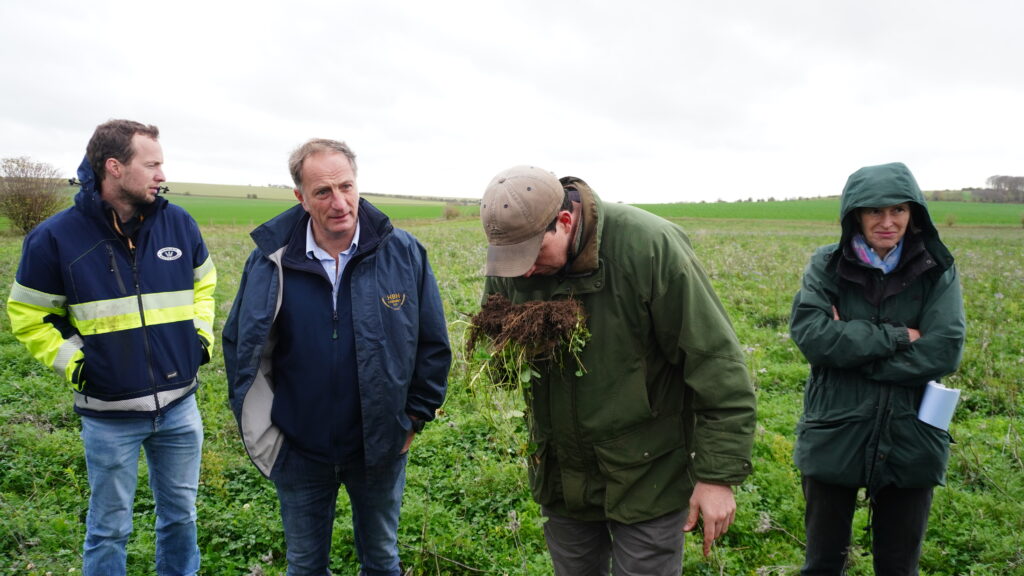
Recent Event Photos